
Last updated November 15, 2026
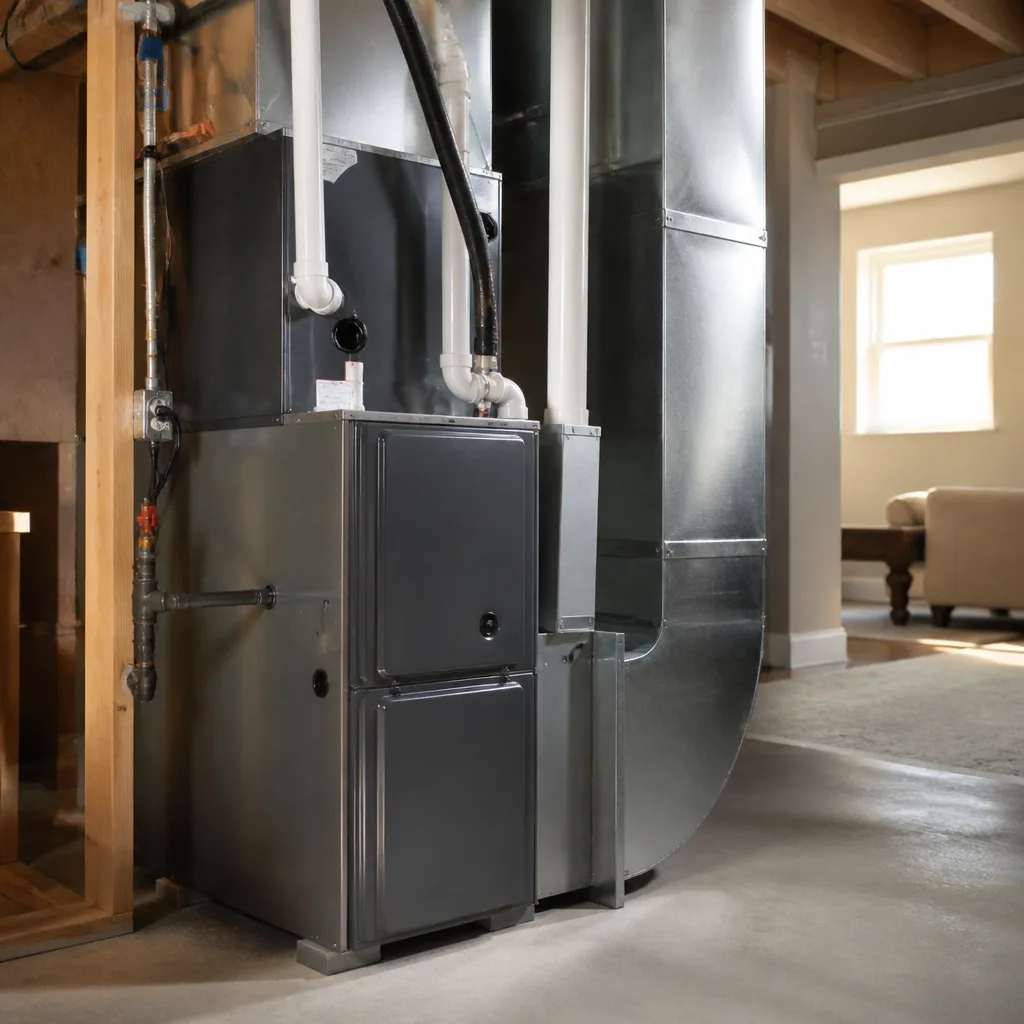 Furnace & heating
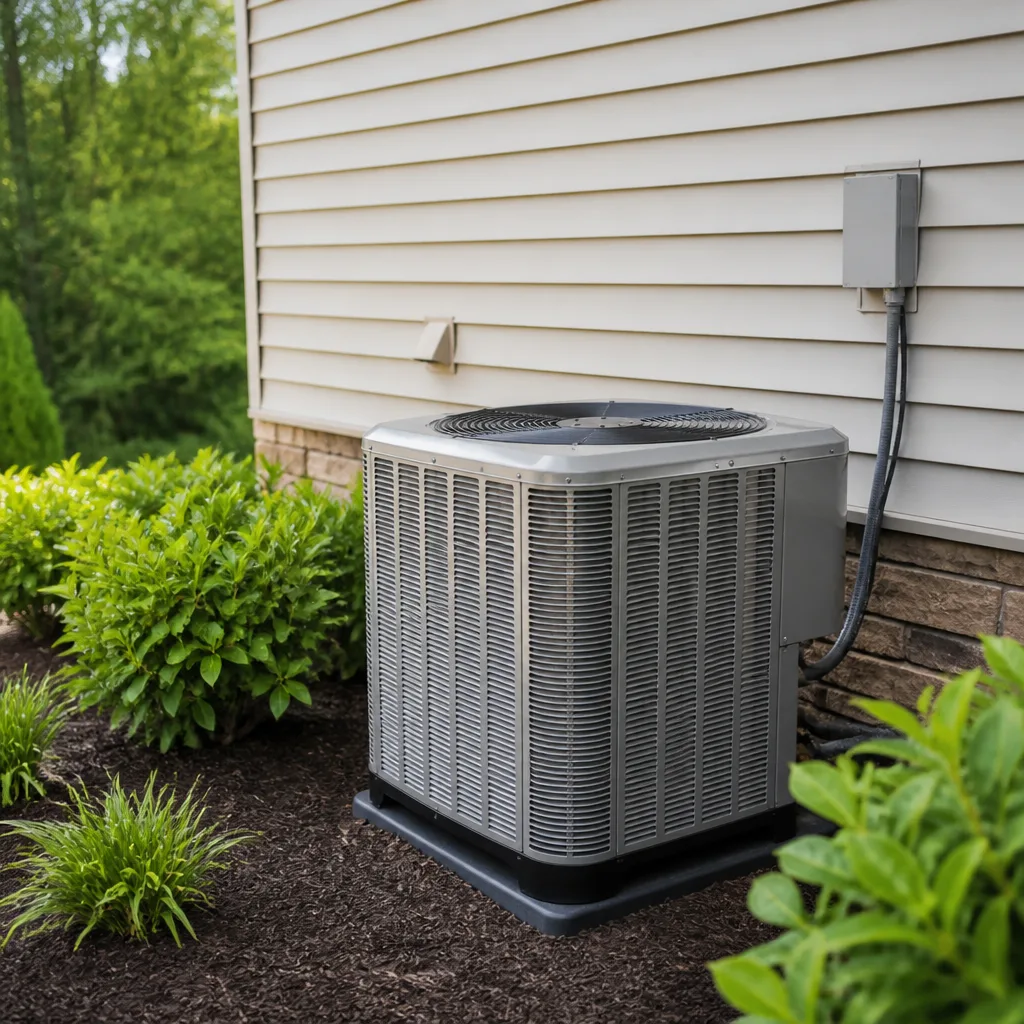 AC repair
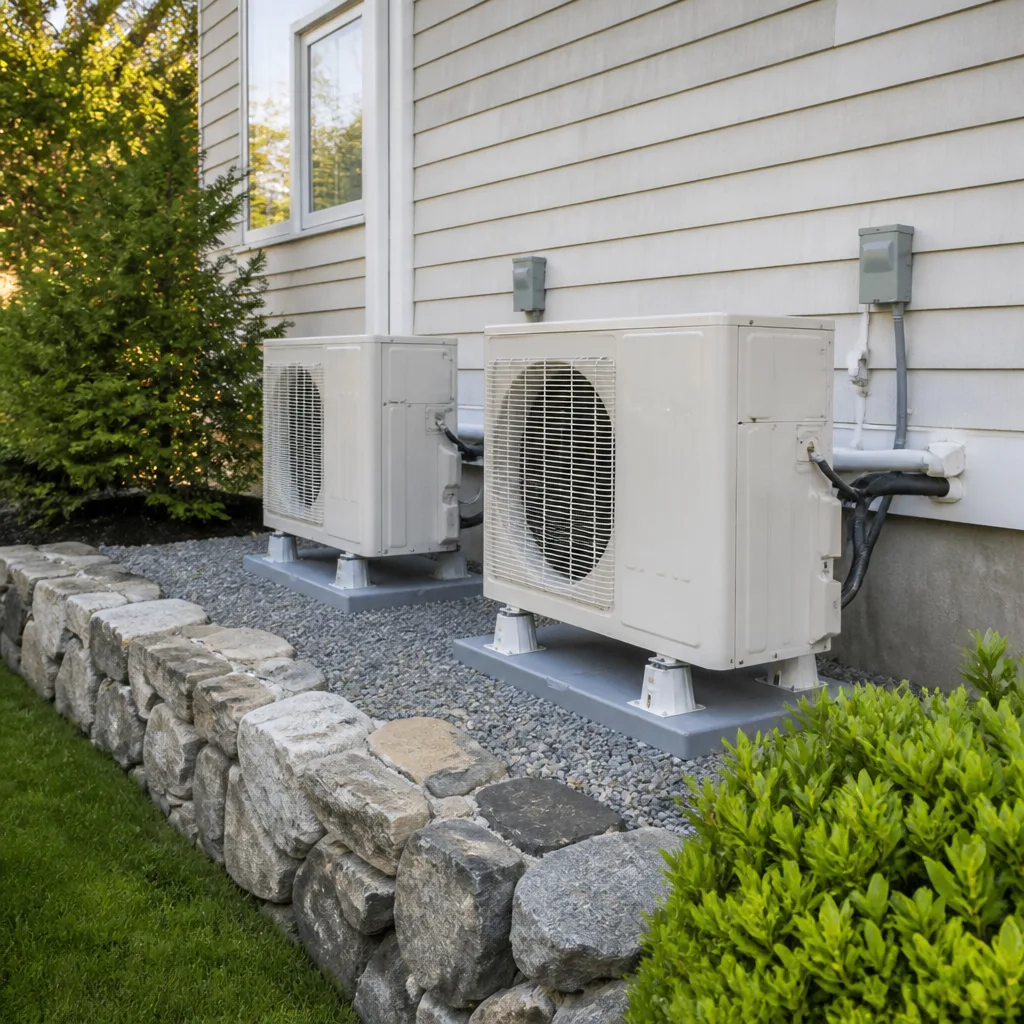 Heat pumps
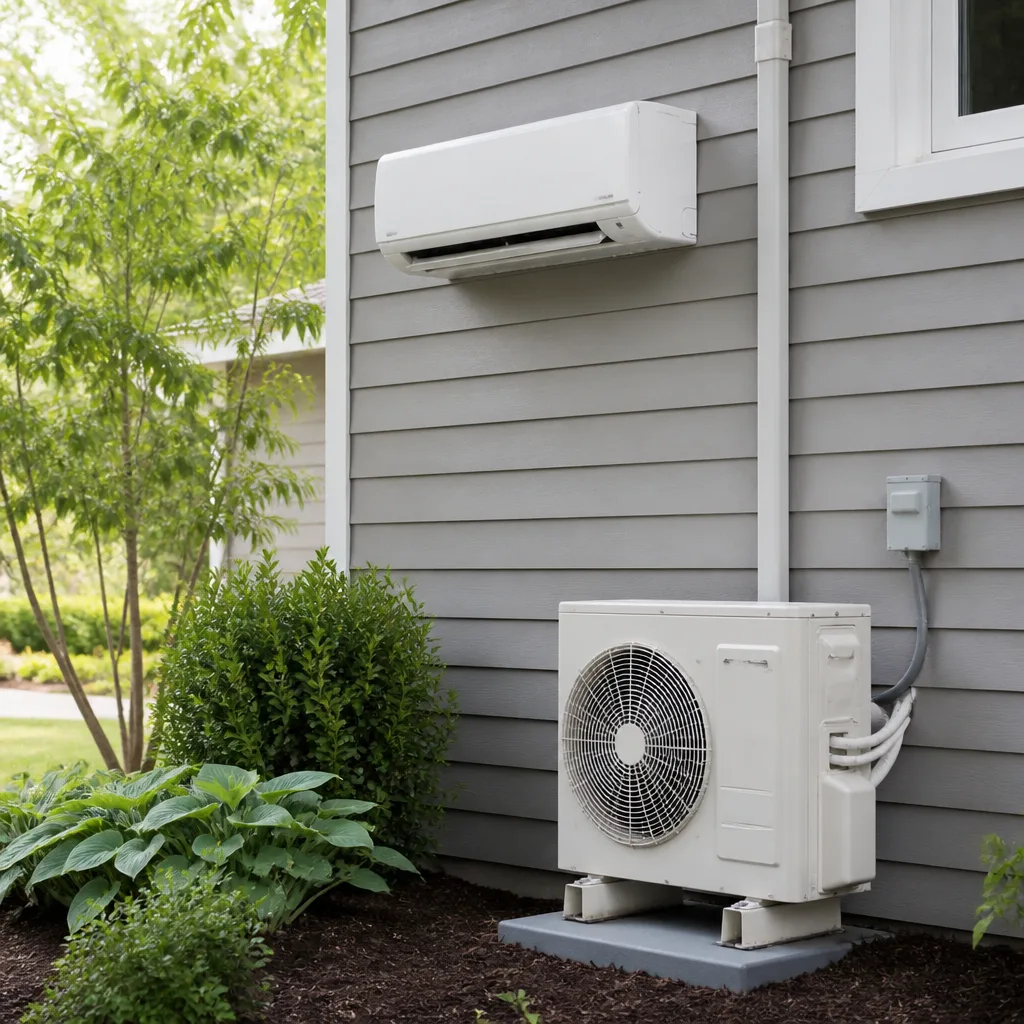 Ductless mini splits
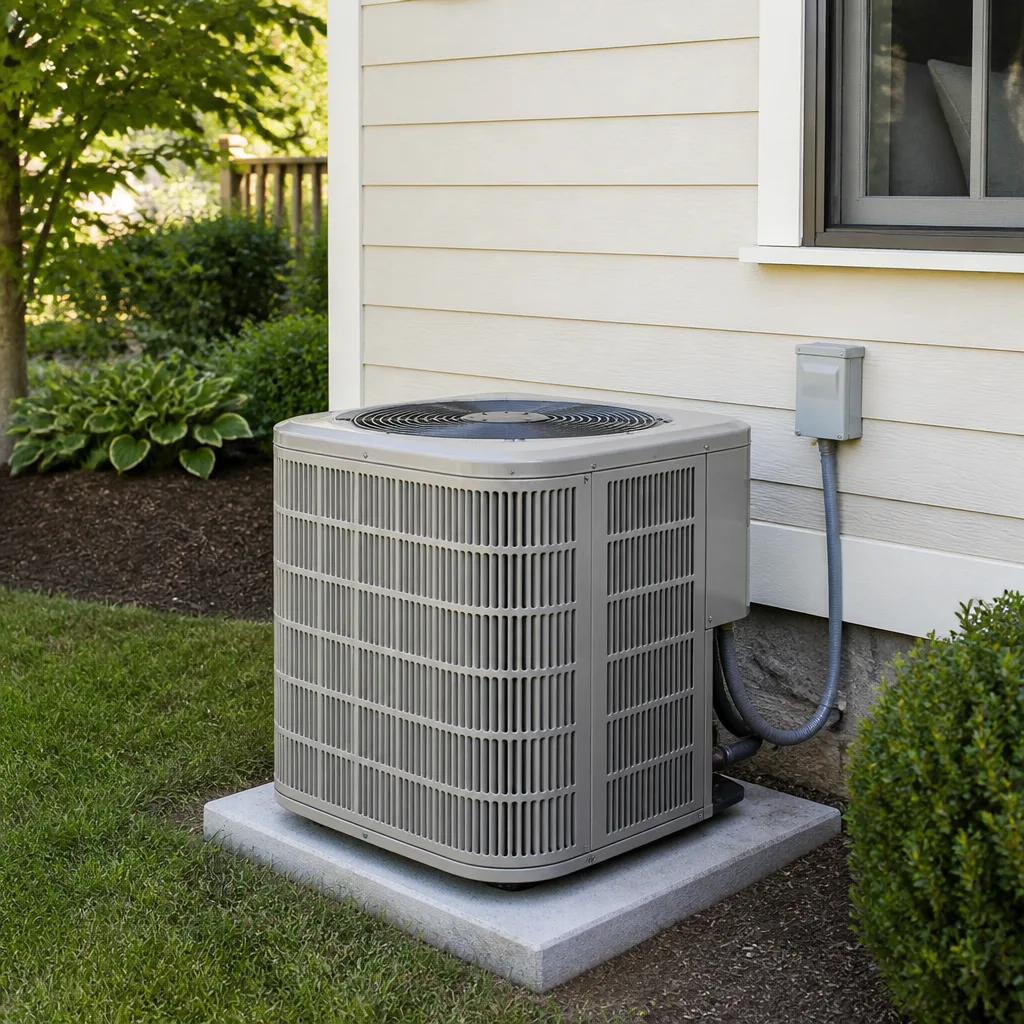 Carrier
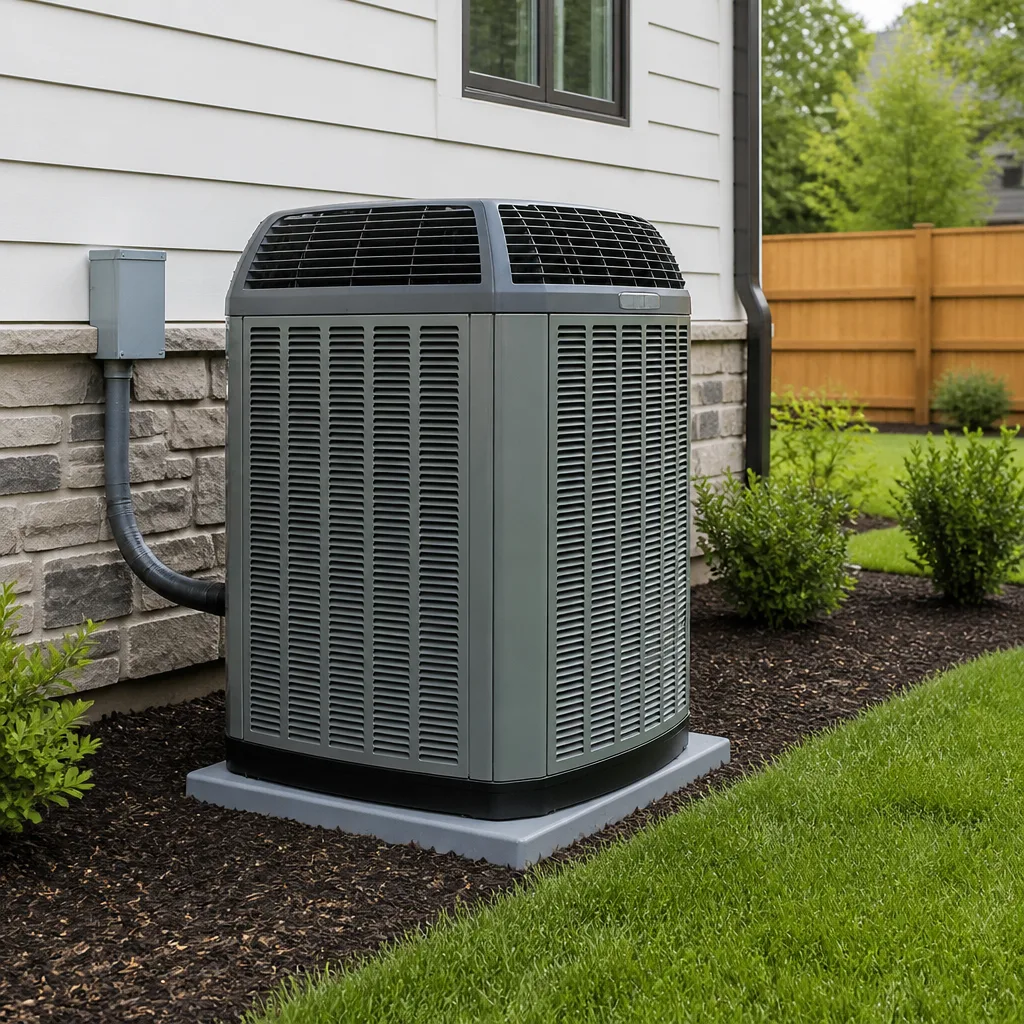 Trane
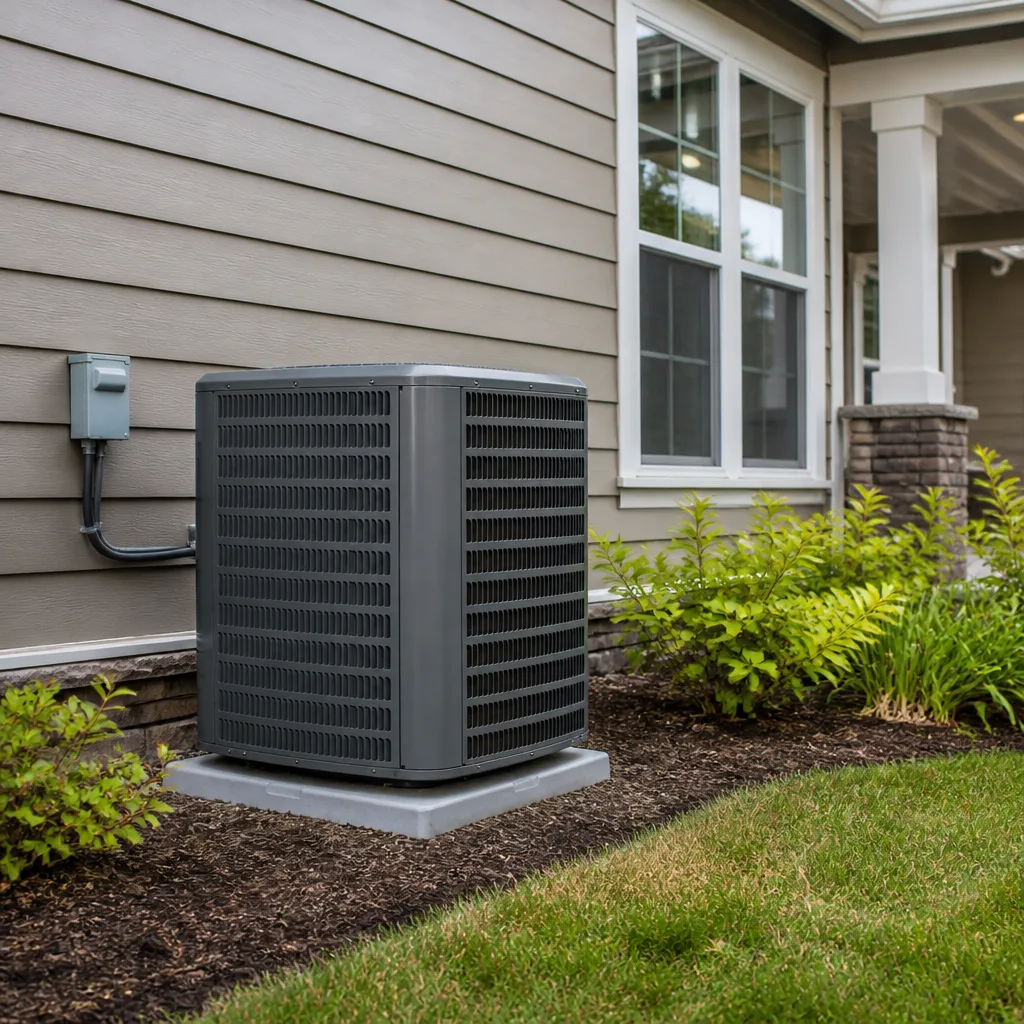 Goodman
Seasonal tune-up and full diagnostic on your Carrier, Trane, or Goodman system - readings shown to you before any repair is proposed
Diagnosis first, numbers second - you approve the repair price before a single part goes in.
Get your free estimateFurnace Replacement Troubleshooting in Arlington: Common Problems and How to Fix Them
A cracked heat exchanger sounds like an automatic replacement. It isn’t. The answer depends on three things: how old the furnace is, where the crack is, and whether the warranty is still active. Most Arlington homeowners get a replacement quote before they know which of those three applies to them, and that’s how people end up paying for a new furnace when a repair would have carried them another few winters. The reverse is just as common: a system that’s been limping along for three seasons, throwing error codes nobody reads, when the math on repair stopped making sense a while back. This guide gives you the same decision framework our technicians use, so you can figure out which side of that line your furnace is on before anyone hands you an estimate. We’ll cover what error codes actually mean across Carrier, Trane, Lennox and Daikin equipment, how to apply the 50% rule without fooling yourself, and what to document before a technician walks in the door.
Quick Answer
In Arlington, most furnace “replacement” decisions come down to a simple split: a single failed component like an ignitor, pressure switch or control board is a repair, while a cracked heat exchanger on a furnace past the midpoint of its service life is usually a replacement. The trick is that neither call can be made from the symptom alone – age, crack location and warranty status have to line up first. If your furnace is short cycling, throwing a repeated error code, or heating unevenly after a recent install, the problem is often installation or setup, not the unit itself.
Styles & brands we work with
- AC repair
- Furnace & heating
- Heat pumps
- Ductless mini splits
- Carrier
- Trane
- Goodman
Table of Contents
- Reading Your Furnace’s Symptoms Before You Call
- What the Error Codes Actually Tell You
- Using the 50% Rule Correctly (And When It Fails)
- Cracked Heat Exchanger: Repair or Replace?
- Post-Replacement Problems That Are Really Installation Errors
- When a New Furnace Fails in the First 90 Days
- How to Document Symptoms So You Get a Diagnosis, Not a Sales Pitch
- What Arlington’s Climate and Housing Mean for Your Furnace
Reading Your Furnace’s Symptoms Before You Call
Most furnace problems announce themselves before they fail completely, and the pattern of symptoms usually points to a category of cause. Learning to read that pattern is the difference between calling a technician with useful information and calling with “it’s not working.” Here’s how the common symptoms break down:
- Short cycling (runs for a few minutes, shuts off, repeats): often a thermostat setting, a clogged air filter, a flame sensor that needs cleaning, or a furnace that’s oversized for the space. On a recently installed unit, oversizing is the first thing to check.
- No heat, blower runs: usually an ignition problem – a failed ignitor, a pressure switch that won’t close, or a flame sensor reading no flame.
- No heat, no blower: could be a thermostat, a control board, or a safety lockout that needs a reset after the underlying cause is found.
- Rumbling, popping or delayed ignition: burner issues or gas pressure problems. This one deserves a technician, not a homeowner investigation.
- Uneven heat between rooms: airflow, ductwork, or a blower running below its rated speed. On a new install, this is usually setup.
Notice that none of these symptoms are brand-specific. A Carrier furnace and a Lennox furnace short cycle for the same handful of reasons, and the diagnostic path is nearly identical. What differs is the control board layout, the error code numbering, and where the manufacturer put the diagnostic LED. That’s the part that takes familiarity rather than guesswork. When you know how a particular line of equipment is built, you stop chasing the wrong component.
One thing worth saying plainly: if you smell gas, get out and call your gas utility first. Furnace troubleshooting starts after the safety question is settled.
What the Error Codes Actually Tell You
Modern furnaces flash a code on an LED or display, and that code is the single most useful piece of information you can hand a technician. It’s also the most commonly misinterpreted. A code doesn’t tell you which part to replace – it tells you which safety condition tripped. The same code can mean three different things depending on the equipment.
Across the brands we work on most – Carrier, Trane, Lennox, Daikin, and the rest of the major lines – the codes cluster into a few families:
- Ignition lockout codes: the furnace tried to light, failed, and locked out after a set number of attempts. Causes range from a dirty flame sensor to low gas pressure to a failed ignitor. The code names the lockout, not the cause.
- Pressure switch codes: the switch didn’t close when it should have, or opened when it shouldn’t. Often a blocked flue, a condensation issue, a cracked hose, or – after a replacement – a venting or routing problem from the install.
- Limit switch codes: the furnace overheated and shut down. Almost always an airflow problem: a filter, a blower, or a duct restriction.
- Control board or communication codes: the board isn’t getting the signal it expects from a component. This is where brand familiarity matters most, because the same “communication fault” reads differently on different boards.
Write the code down. Note how many times it flashes if it’s a blinking LED, and whether the code repeats or changes. That single detail often separates a straightforward repair from a deeper problem, and it’s the reason we ask homeowners to grab a photo of the flashing light before they call. It costs you nothing and it shortens the diagnostic conversation.
Using the 50% Rule Correctly (And When It Fails)
The 50% rule is the industry shorthand for “if the repair costs more than half the price of a new furnace, replace it.” It’s a reasonable starting point. It’s also badly misapplied, and that’s how homeowners end up replacing a serviceable furnace or sinking money into one that’s already finished.
Here’s the version that actually holds up. The rule works best when you’re comparing a single, well-defined repair against a full replacement cost on a furnace that’s near or past the end of its expected service life. It gets unreliable when any of these variables change:
- Age: a repair that hits 50% on a young furnace is usually worth doing. On an older one, the same repair is a down payment on the next repair.
- Warranty: if the part is covered, the repair cost drops dramatically and the rule flips. Check the warranty before you do any math.
- Repair frequency: one repair a year is a different calculation than three in two seasons. Track it.
- Efficiency: an older furnace that’s costing more to run every month changes the payback math, but only if you actually plan to stay in the home.
- What else is close to failing: if the heat exchanger is already stressed, a cheap repair on the control board buys you weeks, not years.
The honest version of the 50% rule includes a question the shorthand skips: what’s the total cost of ownership over the next three winters, repair included? That’s the number that matters. We work with homeowners on both sides of this all the time in Arlington, and the ones who come out ahead are the ones who asked for the math, not the recommendation. If you want the framework applied to your system, furnace repair starts with a real diagnosis, not a default upsell.
Cracked Heat Exchanger: Repair or Replace?
This is the diagnosis that gets homeowners reaching for the phone before they’ve asked the right questions. A cracked heat exchanger is a serious finding, and it deserves a clear answer rather than a panic decision. The truth is that not every crack means the same thing, and not every cracked heat exchanger means replacement.
Three variables decide it:
- Where the crack is. A crack in the primary heat exchanger surface is different from a failure at a seam or a gasket location. Location determines whether the unit can be safely repaired or whether the integrity of the whole exchanger is compromised.
- Furnace age. A heat exchanger failure on a furnace near the end of its service life makes replacement the only sensible call. The same failure on a much younger unit raises a different question entirely – and possibly a warranty conversation.
- Warranty status. Heat exchangers often carry a longer warranty than the rest of the furnace. That’s the first thing to check, because it changes the decision completely.
What we won’t do is tell you a cracked heat exchanger is a do-it-yourself diagnosis. It isn’t. A cracked exchanger can let combustion gases into the air supply, and that’s a genuine safety concern, not a sales pitch. This is exactly the kind of finding that needs a trained technician with the right inspection tools, not a visual guess from a flashlight. If a technician finds a crack, ask the three questions above before you accept any recommendation. A straight answer will address all three.
Post-Replacement Problems That Are Really Installation Errors
Here’s something the replacement quotes don’t tell you: a meaningful share of “new furnace problems” aren’t the furnace at all. They’re installation errors, and they show up in the first heating season. Knowing the difference matters, because an installation problem is the installer’s responsibility, and a unit defect is the manufacturer’s. The two are handled completely differently.
The three most common post-install symptoms and what they usually mean:
- Short cycling on a brand-new furnace: the unit is typically oversized for the home’s actual heat load, or the blower speed isn’t set correctly. A furnace that was sized by square footage instead of a real load calculation will cycle constantly, wear itself down, and never quite heat evenly. This is a sizing problem, and it goes back to the installer.
- Uneven heat between rooms: usually static pressure – the blower is working against ductwork that wasn’t assessed during the install. Not a unit defect.
- Pressure switch faults: after a replacement, this often means venting or condensate routing that wasn’t done to spec, or a flue run that doesn’t match what the new unit requires. The switch is doing its job; the install is the problem.
Why this matters: if you call the manufacturer’s warranty line first with a short-cycling complaint, you’ll be routed toward a unit defect claim. If the real cause is sizing or setup, you’ll spend weeks getting nowhere. The installer should be your first call, and a good one will own it. Our AC installation and furnace replacement work is sized to the home, not the square footage, precisely because this is the failure mode we see most.
When a New Furnace Fails in the First 90 Days
A furnace that fails inside the first 90 days is either a defective component or an installation error, and the two follow different paths. Getting this right early saves you months of back-and-forth.
Start by separating the two:
- Document the symptom with dates and codes. When it started, what code it flashed, and whether anything else changed (thermostat settings, filter changes, weather). This is your record.
- Call the installer first. The installer has the install record, the sizing calculation, and the responsibility for setup. If the cause is installation, they fix it. If it’s a part failure, they handle the warranty claim on your behalf.
- Ask for a written diagnosis before any part is swapped. A defective part should be identified specifically, and a warranty replacement on a part failing in the first 90 days should be a manufacturer claim, not a bill to you.
- If the installer and the manufacturer point at each other, get the diagnosis in writing and keep the paper trail. The written diagnosis is what determines who pays.
The distinction that trips people up: a genuine part failure inside 90 days is a warranty issue, and the manufacturer covers it. An installation error is the installer’s job to correct, warranty or not. Pressure switch faults, short cycling and uneven heat in the first season are usually the second category. Our technicians have up to 10 years of experience across nine of the most-installed brands – Carrier, Trane, Lennox, Goodman, Rheem, York, Daikin, Bryant and American Standard – so if you’re stuck between an installer and a warranty line, we can tell you which one is actually on the hook.
How to Document Symptoms So You Get a Diagnosis, Not a Sales Pitch
The homeowner who walks a technician through what they’ve observed gets a diagnosis. The homeowner who says “it’s broken” gets a recommendation – and recommendations can drift toward replacement when the information is thin. Documenting before the visit is the single most effective way to keep the conversation on the actual problem. Here’s what to gather:
- Photograph the error code. A blinking LED or a display panel, captured mid-flash if you can. Note the count.
- Write down the timeline. When did the symptom start? Was there a trigger – a cold snap, a filter change, a thermostat adjustment?
- Note the thermostat setting and actual room temperature. A gap between “set to 70” and “holding at 63” is meaningful data.
- List what you’ve already tried. Filter changes, breaker resets, thermostat battery swaps. This saves the technician time and shows you’ve done the reasonable checks.
- Get the furnace’s age and model number off the data plate. Age and model are the first two things any technician needs, and they’re right there on the unit.
- Note whether the issue is constant or intermittent. An intermittent problem and a constant one follow different diagnostic paths.
Arlington homeowners who come to a call with these six items in hand tend to get a straight answer in the first visit. It’s not that the documentation magic-wands away the problem – it’s that it removes the guesswork, and guesswork is what drives unnecessary replacements. The same principle applies when you’re hiring for furnace and AC work across the metro: the first question to ask is how the technician builds a diagnosis.
What Arlington’s Climate and Housing Mean for Your Furnace
Arlington’s winters are mild, and that shapes furnace behavior in ways homeowners don’t always expect. A furnace here runs fewer hours per winter than it would in a colder climate, which means some problems take longer to surface and others reveal themselves differently. A failing ignition component might limp through a mild stretch and only announce itself on the first genuinely cold week. A short-cycling furnace that works “well enough” in a cool month becomes obvious in January.
The mild-winter pattern also affects how homeowners read the 50% rule. A furnace that runs less often accumulates wear more slowly, which can extend its practical service life – but it can also mask developing problems because there are fewer hours of operation to expose them. In our experience around neighborhoods like Pantego, Dalworthington Gardens and the older housing stock near downtown Arlington, the deciding factor is usually age and heat exchanger condition, not hours of runtime.
What about replacement timing? An Arlington homeowner has a real advantage here. Because the heating season is short and winters are moderate, a planned replacement in the off-season gives you time to get the load calculation right, order the right equipment, and schedule the install without urgency. That’s a better scenario than a replacement decision made on the coldest week of the year, when the furnace is down and the pressure is on. If your system is near the end of its service life, that timing flexibility is worth using.
It’s also worth knowing that the Arlington area has a wide range of housing types, from mid-century homes with original ductwork to newer builds with tighter envelopes. The right furnace for a 1950s Pantego ranch is often a different size and configuration than the right furnace for a newer home near the entertainment district. Fit-to-home matters more than brand, which is why we don’t push a single manufacturer. When you work with Denali AC Repair, the recommendation comes from your home’s load and your budget, not a dealer incentive.
Common Mistakes to Avoid
- Accepting a replacement quote before checking the warranty. Heat exchangers and many components carry warranty coverage that changes the 50% math entirely. Check the paperwork before you accept any quote – it’s the single biggest mistake we see in Arlington.
- Assuming a code means a specific part. The code names a safety condition, not a failed component. Replacing parts on the basis of a code alone is how people spend money and still have the same problem.
- Applying the 50% rule to a young furnace. The rule works best on older systems. On a furnace with years left, the same repair percentage is usually still a repair.
- Calling the manufacturer before the installer on a new furnace. Installation problems route to the installer, not the warranty line. Call the installer first or you’ll spend weeks in the wrong queue.
- Skipping the load calculation on a replacement. Sizing a furnace by square footage – instead of a real calculation – leads to short cycling and uneven heat that no amount of repair will fix.
- Letting a heat exchanger finding sit. A suspected crack is a safety issue, not a maintenance note. Get it inspected by a trained technician rather than waiting for the next service visit.
- Scheduling a replacement at the worst possible time. An Arlington winter gives you a mild season to plan in. Using it, rather than waiting for a failure on the coldest week, gets you a better install and a calmer decision.
See the difference
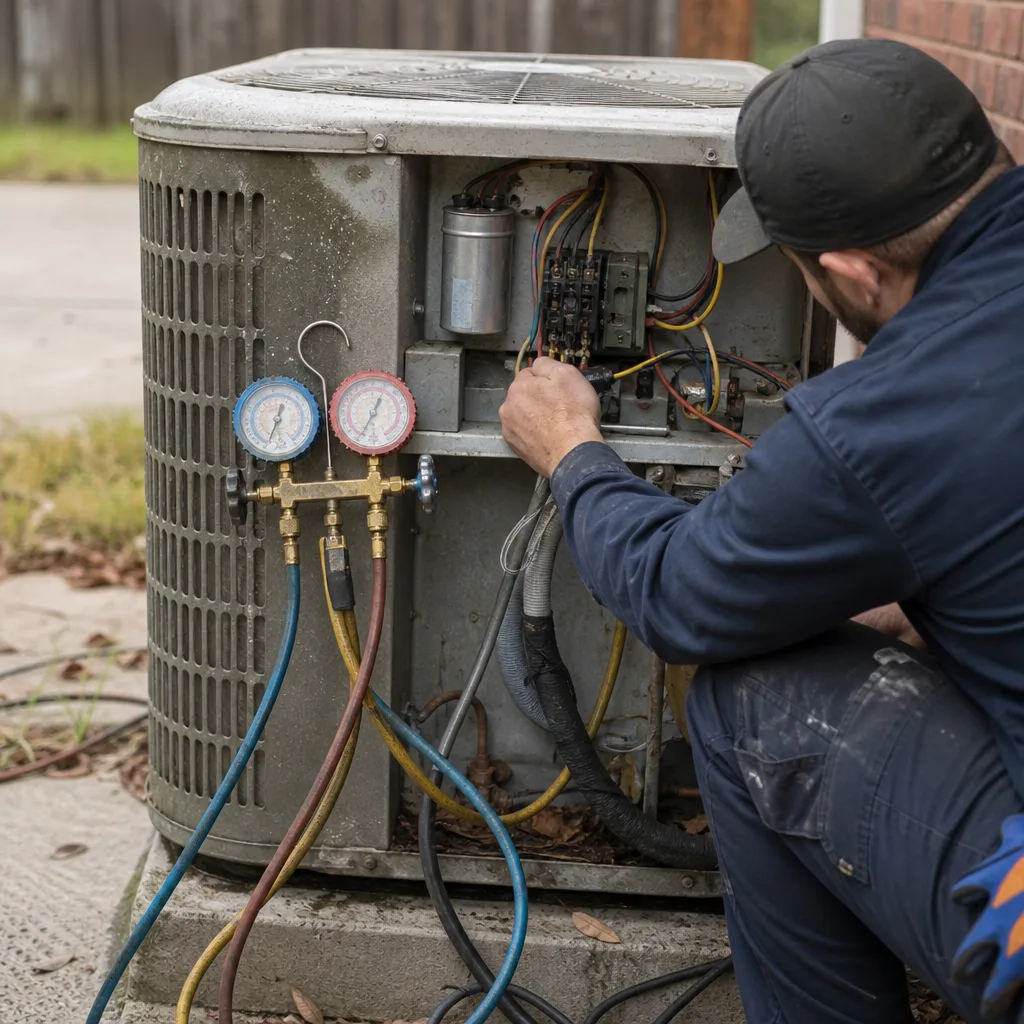 Before
 After
 Before
 After
 Before
 After
When to Call a Professional
Call a technician if you smell gas, if the furnace has locked out and won’t reset, if a code repeats after a reset, or if the heat exchanger is in question. Call if a new furnace is short cycling, heating unevenly, or throwing pressure switch faults in its first season. Call if you’ve had two or more repairs in two years on the same system, because at that point the repair cost is doing the math for you. And call if you just aren’t sure which side of the repair-or-replace line you’re on – a diagnosis is the cheapest way to find out.
Denali AC Repair offers free estimates in Arlington – call (888) 604-8863. We answer 24/7. Fast dispatch from 7am to 7pm, Sunday through Friday. Our technicians have up to 10 years of experience across nine of the most-installed brands, and we’ll tell you whether the honest answer is repair or replace before you spend a dollar.
Frequently Asked Questions
You repair when a single well-defined component has failed on a furnace that’s still within its expected service life and the repair doesn’t exceed the 50% threshold. You replace when the failed component is the heat exchanger on an aging system, when repairs have stacked up over multiple seasons, or when the repair cost approaches the replacement cost across the next three winters. The variables that decide it are age, warranty status and where the failure is. Call (888) 604-8863 for a free estimate – we’ll walk through all three with you.
No. A cracked heat exchanger can sometimes be repaired, depending on where the crack is, how old the furnace is, and whether the heat exchanger is still under warranty. A crack in a primary surface on an older furnace usually means replacement, while a failure on a much younger unit may be a warranty and repair conversation. It should always be inspected by a trained technician first. Call (888) 604-8863 for an exact diagnosis – estimates are free.
A new furnace short cycling is usually an installation issue, not a unit defect. The most common causes are oversizing from a square-footage sizing rather than a proper load calculation, incorrect blower speed settings, or ductwork static pressure the installer didn’t assess. Short cycling in the first season is the installer’s responsibility to correct. Call (888) 604-8863 for an exact diagnosis – estimates are free.
Call the installer first and document the symptoms with dates and error codes. If the cause is a defective part, the installer handles the manufacturer warranty claim on your behalf. If the cause is installation – pressure switch faults, uneven heat, short cycling – the installer corrects it directly. Get a written diagnosis before any part is swapped so the responsibility is clear. Call (888) 604-8863 for an exact diagnosis – estimates are free.
Error codes tell you which safety condition tripped, not which part failed. Ignition lockout codes, pressure switch codes, limit switch codes and communication codes each point to a family of causes, and the same code can mean different things on different brands. Write the code down, count the flashes, and note whether it repeats. That detail is what a technician needs to diagnose accurately. Call (888) 604-8863 for a diagnosis – estimates are free.
More than a repair, and the honest answer is that furnace replacement pricing depends on the size of your home, the system you choose, and the condition of your ductwork, so a single number would mislead you. What we will do is give you a written, upfront estimate after assessing your home, and we’ll lay out the repair cost against the replacement cost so you can see the math for yourself. Call (888) 604-8863 for a free estimate.
The Bottom Line
Half the replacements homeowners think they need are repairs, and half the repairs they hold off on are past the point of making sense. The difference comes down to three variables – age, warranty status, and where the failure is – and the only way to know which side of the line you’re on is a real diagnosis. Document your symptoms, check the warranty, apply the 50% rule with all its variables, and treat a cracked heat exchanger as a safety issue that needs a trained technician. If you’re in Arlington and you’re not sure which side of the decision you’re on, that’s the call to make.
Call (888) 604-8863. We answer 24/7. Fast dispatch from 7am to 7pm, Sunday through Friday. Free estimates, upfront pricing, and a straight answer on repair versus replace – from a team that services Carrier, Trane, Lennox and the other major brands your system might be.
Written by the team at Denali AC Repair.