
Last updated November 15, 2026
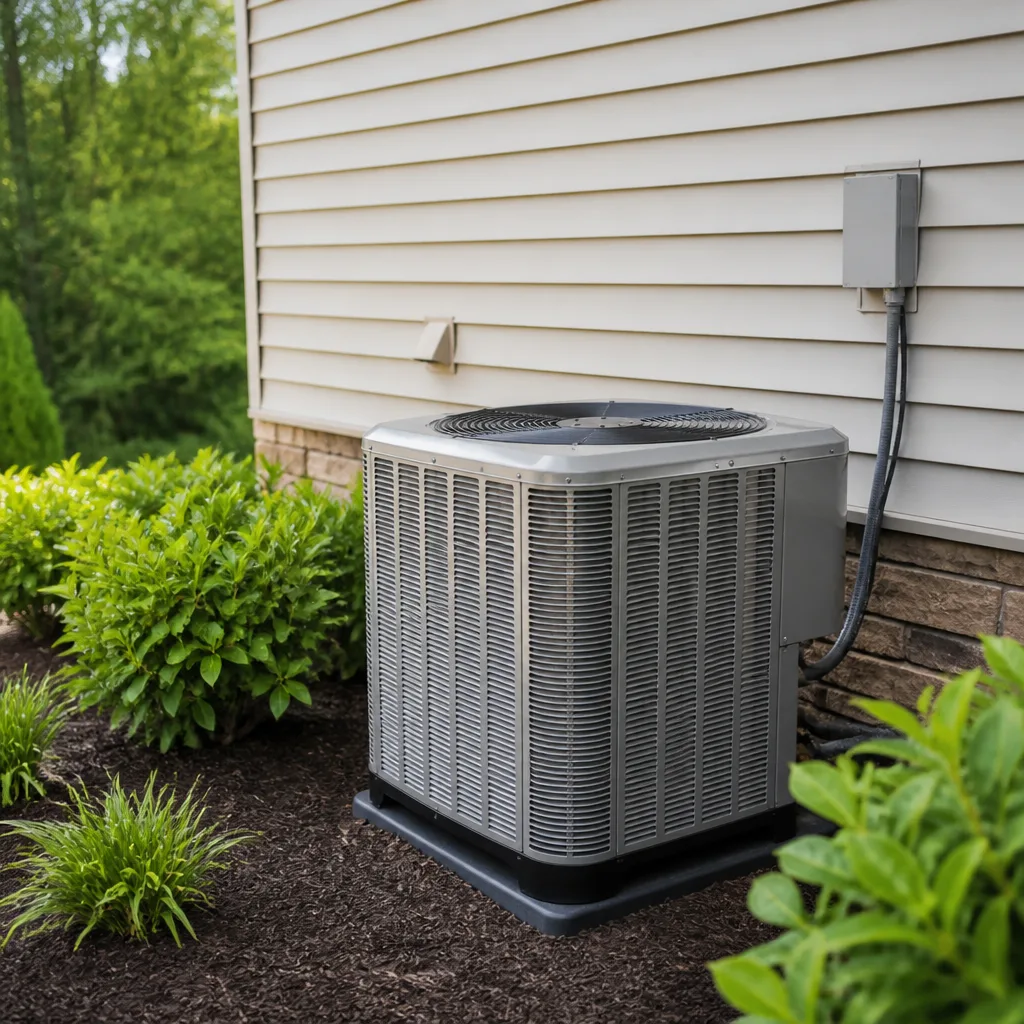 AC repair
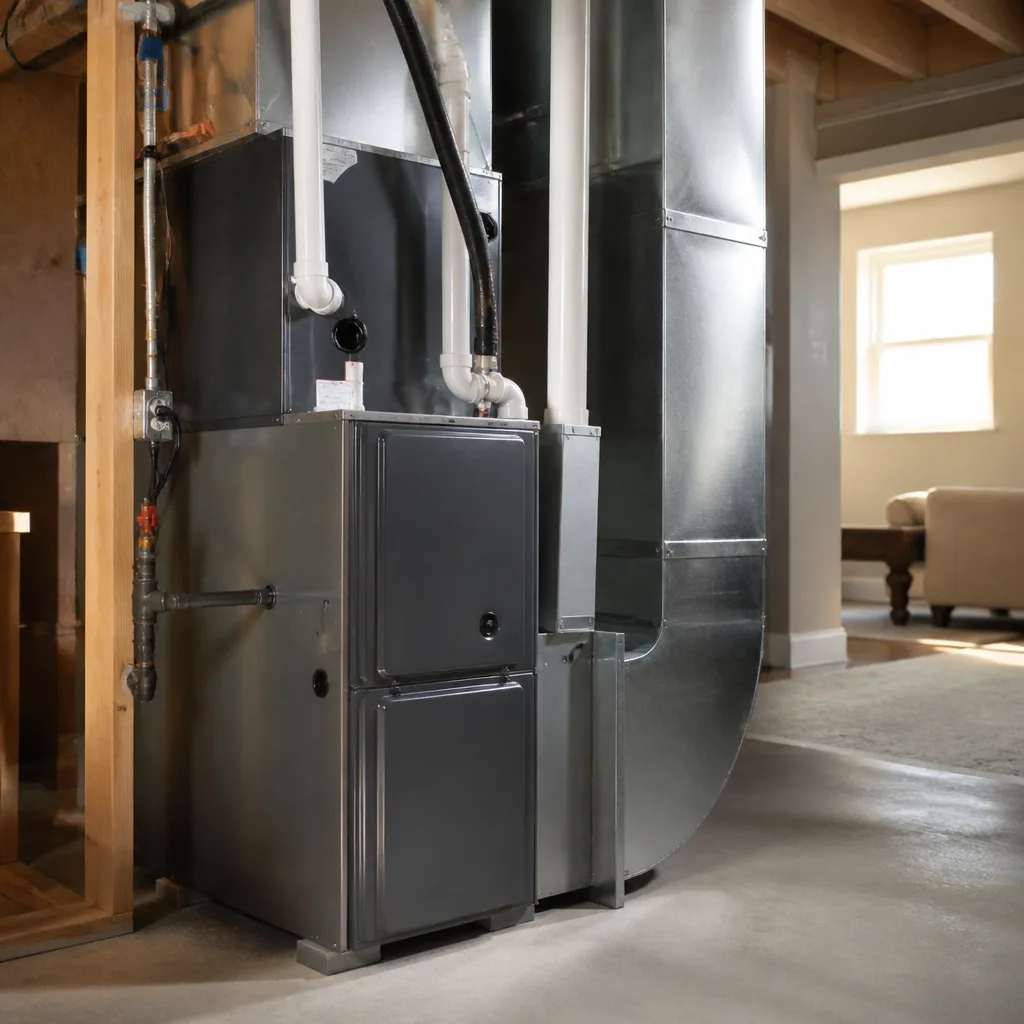 Furnace & heating
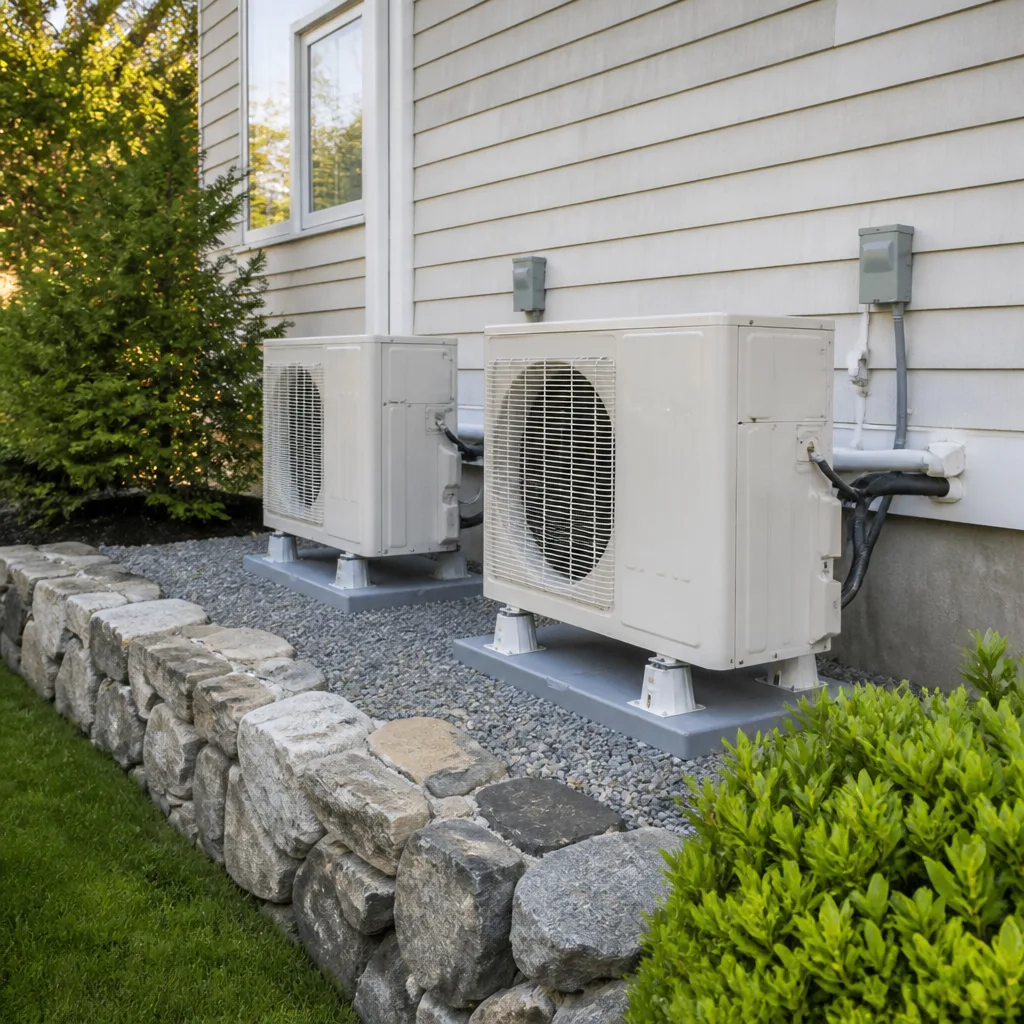 Heat pumps
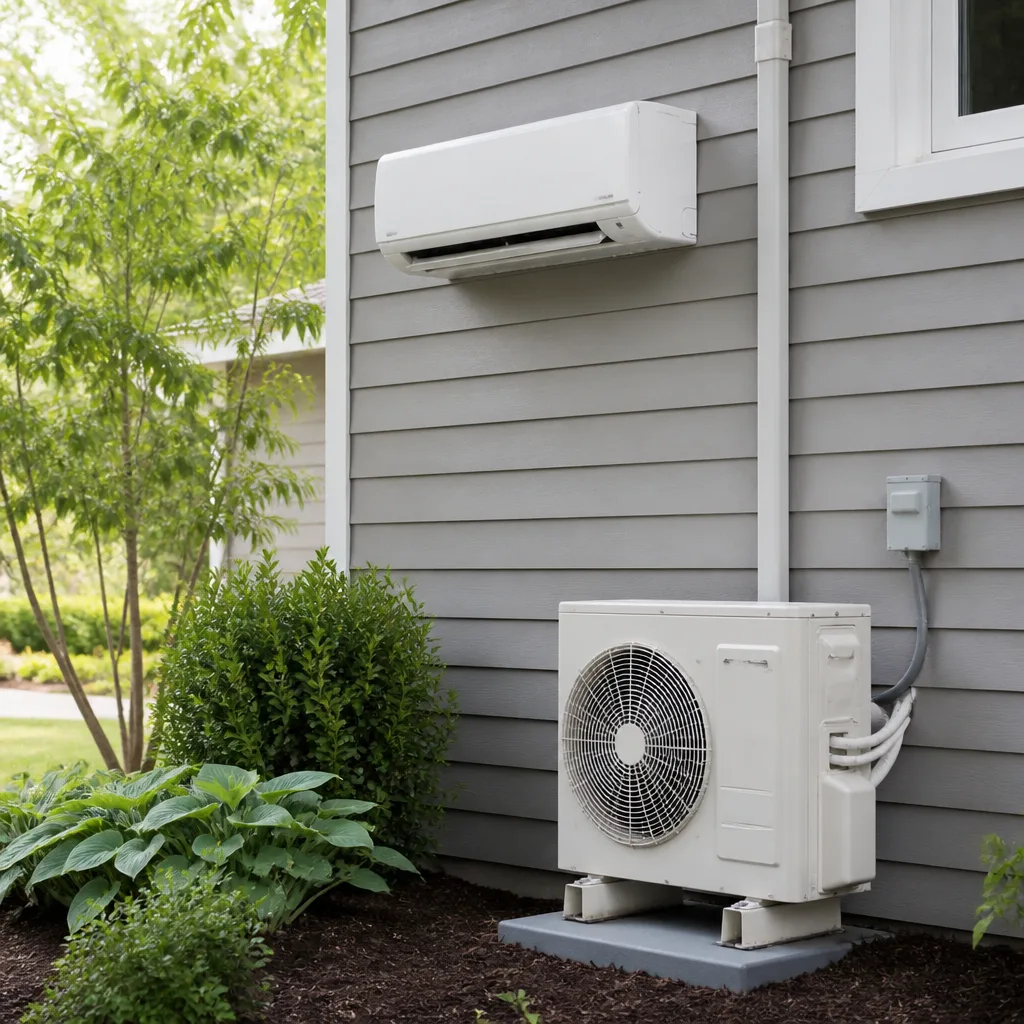 Ductless mini splits
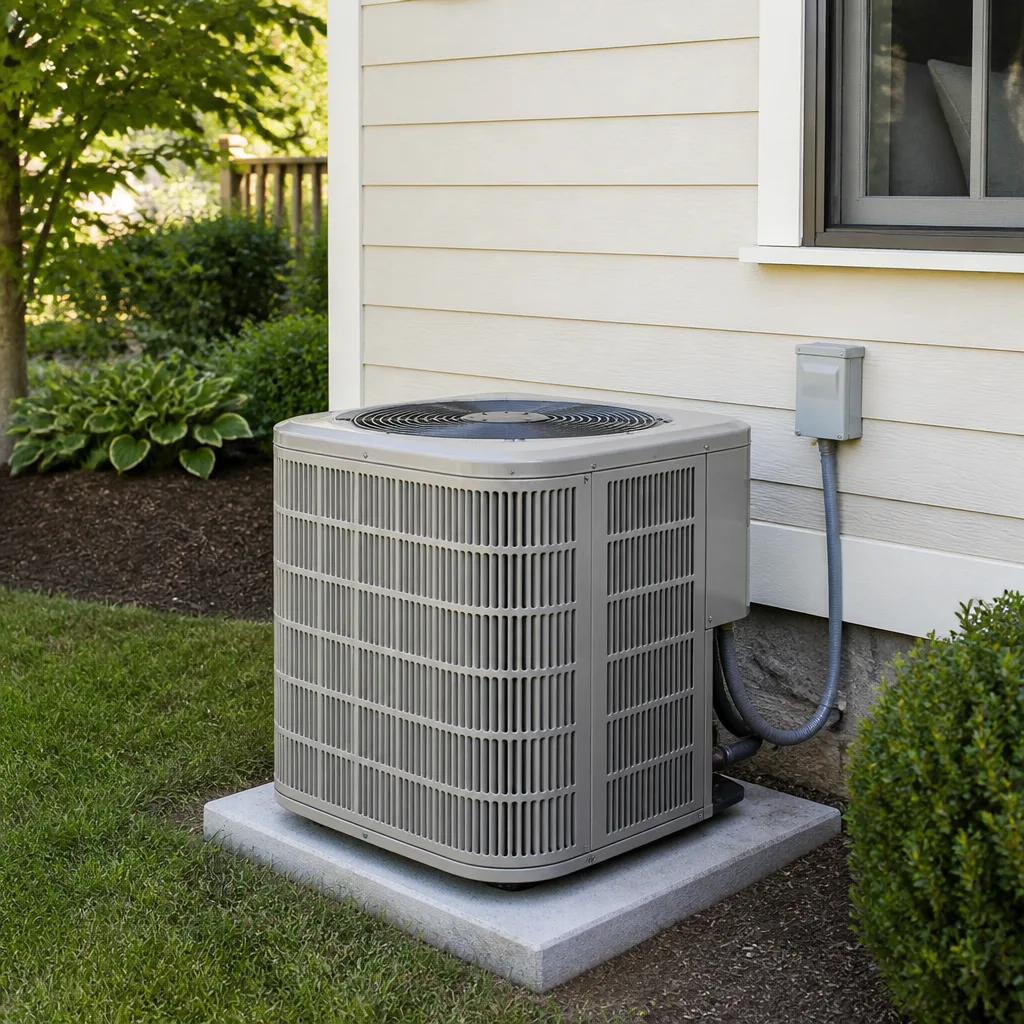 Carrier
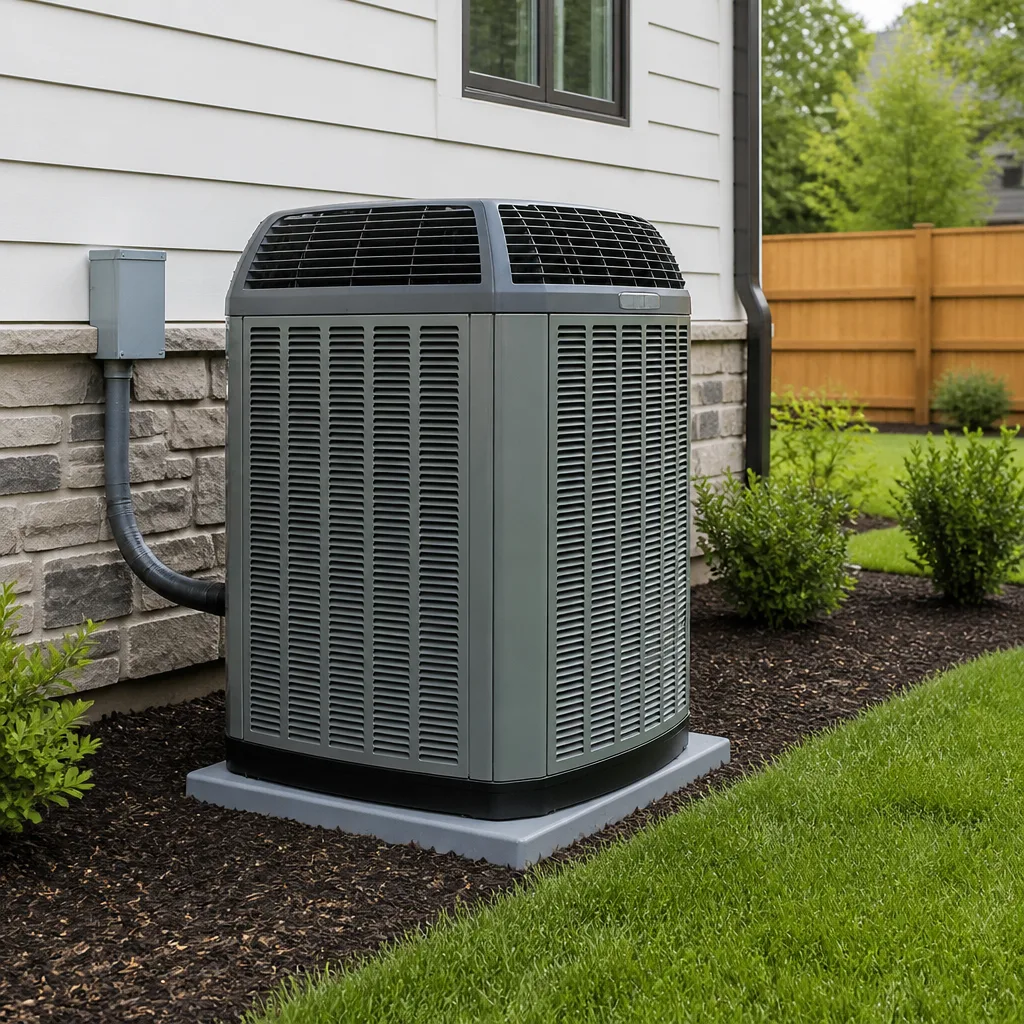 Trane
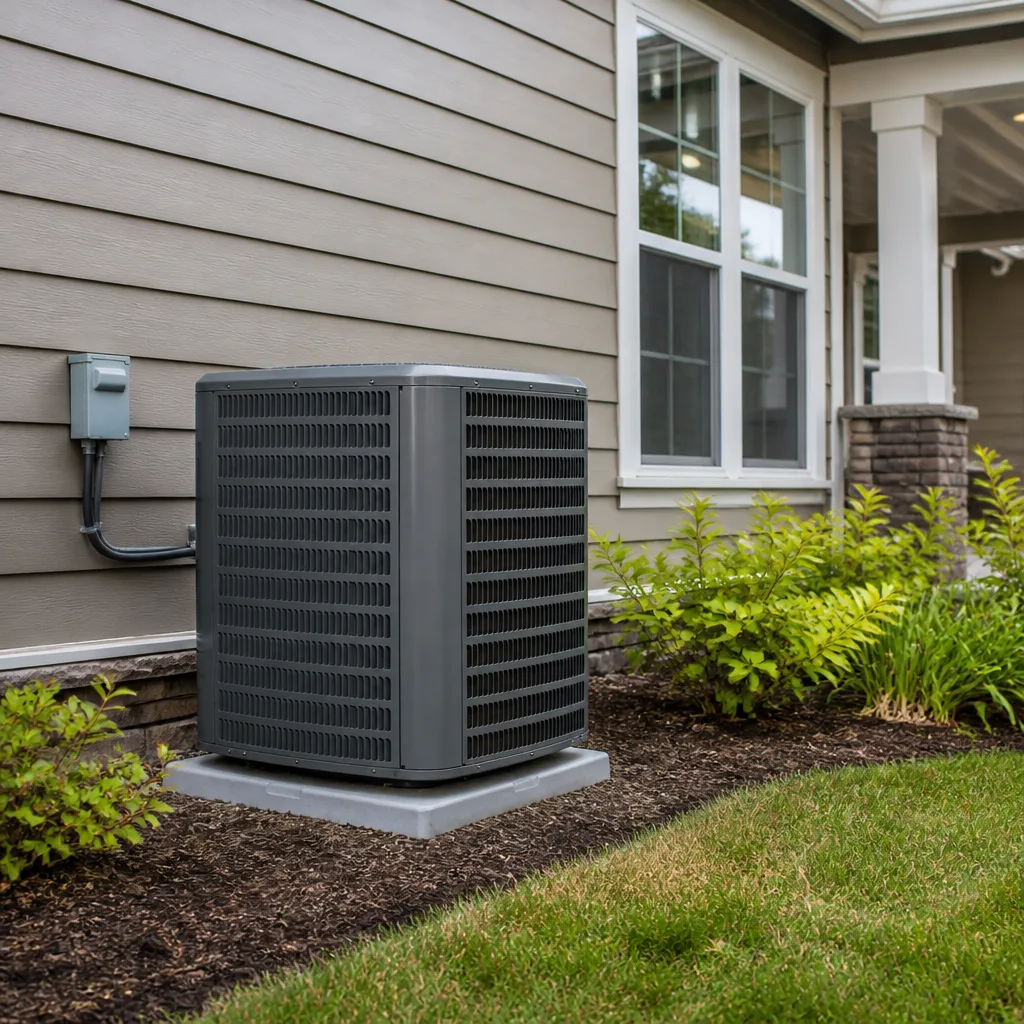 Goodman
Seasonal tune-up and full diagnostic on your Carrier, Trane, or Goodman system - readings shown to you before any repair is proposed
Diagnosis first, numbers second - you approve the repair price before a single part goes in.
Get your free estimateHVAC Cost Breakdown: The Arlington Homeowner’s Reference for 2026
Almost every cost guide you’ll find online leads with the same national average for a central AC replacement: somewhere between $5,000 and $7,000. That number is misleading for an Arlington homeowner, and here’s why. Most homes built in this part of Tarrant County run a horizontal air handler tucked into the attic, not a closet unit on the ground floor. Hooking up a horizontal attic system takes more labor, more careful charge work, and often an attic access assessment the flat national average never accounts for. That complexity alone can push a straightforward replacement $800 to $1,500 higher than the internet says.
What follows is a working reference: real line items, equipment tiers, the rebates that actually apply here, and the hidden charges quotes tend to leave out. We’ll show you how to read a bid, not just how to compare a headline price.
Quick Answer
For a typical Arlington home, a straight AC-only replacement runs roughly $4,800 to $8,200, a furnace-only replacement runs about $3,200 to $6,400, and a full system swap lands between $8,500 and $15,000 depending on equipment tier and whether ductwork needs work. Horizontal attic air handlers common in Arlington add labor that flat national averages ignore. Rebates and tax credits can lower the net number, but only if the equipment qualifies before you sign.
Styles & brands we work with
- AC repair
- Furnace & heating
- Heat pumps
- Ductless mini splits
- Carrier
- Trane
- Goodman
Table of Contents
- What does an AC-only replacement cost in Arlington?
- What does a furnace replacement cost in Arlington?
- What does a full system replacement cost?
- How equipment tier changes your 10-year cost
- Why Arlington labor rates sit where they do
- The hidden costs most quotes leave out
- Rebates and tax credits you can stack in 2026
- How to read and compare a written quote
What Does an AC-Only Replacement Cost in Arlington?
An AC-only replacement in Arlington typically costs $4,800 to $8,200 for a standard single-stage system with a matching indoor coil, installed with a new line set where needed. Homeowners shopping for AC installation in Arlington should expect the upper half of that range when the existing attic air handler sits in a tight space, when the disconnect and whip need replacing, or when the unit is going back into a platform that needs reworking to support the new footprint.
The number moves most on three things: tonnage, efficiency, and access. A 2-ton unit for a smaller home in the Dalworthington Gardens area costs less than a 4-ton system on a two-story house near the Arlington Highlands. A system rated at a higher seasonal efficiency (SEER2) costs more upfront but runs less during the long cooling season that defines this market. And access is the wildcard specific to this city: horizontal attic units mean the technician is working overhead in a space that can be over 120 degrees in July, which is real labor and real time.
A typical AC-only replacement job involves these steps:
- Manual J load calculation to confirm the correct tonnage for your home, not the tonnage the old unit happened to be.
- Removal and recovery of refrigerant from the old system (a licensed, regulated step, never a vent).
- Removal of the old condenser and attic air handler, then setting the new equipment.
- New line set, pad, disconnect and whip where code requires; reconnect and electrical check.
- Evacuation, charging to the manufacturer’s spec, and a full startup and airflow verification.
- Permit sign-off and a walkthrough of the controls and filter schedule.
What you see on the invoice: equipment, labor, line set and materials, permit, refrigerant recovery and disposal, and any duct modification. What you shouldn’t see: an unexplained block of “miscellaneous.” Every line should be traceable. We work on Carrier, Trane, Lennox, and Goodman systems, among others, so the recommendation is based on your house and budget, not a dealer contract pushing one brand.
What Does a Furnace Replacement Cost in Arlington?
A furnace-only replacement in Arlington usually runs $3,200 to $6,400 for a gas furnace, installed with a new vent connection and the electrical and gas work the code requires. The lower half fits a standard 80% efficiency unit in a straightforward closet or attic location; the upper half covers a 96%+ two-stage or modulating unit with a new PVC vent run and a condensate line and pump.
Arlington’s mild winters mean a furnace here works fewer hours per year than one in Amarillo, so the payback math on ultra-high-efficiency equipment is shorter here than it might seem. If your furnace is in an attic with a horizontal orientation, or if it shares a plenum with the coil, the retrofit scope changes and so does the labor. We’ve seen plenty of older homes around the north Arlington neighborhoods where the flue routing is the real cost driver, not the equipment itself. Our furnace repair work crosses into replacement conversations often, and we’d rather show you the honest math than default to a new unit.
What belongs on a furnace replacement quote:
- Furnace model, efficiency rating, and staging (single, two-stage, modulating).
- Vent/flue work: existing metal flue kept or new PVC vent run permitted and installed.
- Gas line connection and a leak test.
- Electrical reconnect and a check of the breaker and disconnect.
- Condensate handling for high-efficiency units.
- Permit and inspection, listed separately.
- Startup, combustion analysis, and the thermostat configured to your schedule.
Repair or replace is the question most homeowners bring to us. The honest math: a repair that costs more than about a third of a new system’s price, on a unit that’s already older and has had prior major repairs, usually favors replacement. A repair on a system with years of service left favors repair, and we’ll say so. The written estimate sets the final price per job, so there are no surprise line items after the fact.
What Does a Full System Replacement Cost?
A full system replacement in Arlington, meaning both the furnace and the AC, generally falls between $8,500 and $15,000 installed. A matched system in the entry-to-mid tier lands near the bottom of that range; a premium two-stage or variable system with a high-efficiency furnace and new ductwork remediation can reach the top and beyond.
Why pair them? A matched system runs as one engineered piece of equipment. The coil, the furnace blower, and the outdoor unit are selected to work together, which means the efficiency ratings on the box mean something in practice. Mixing a new condenser with an aging blower often leaves efficiency on the table and stresses the older half of the system. One team handling both the heating and cooling halves saves you a second contractor, a second schedule, and a second set of permit fees.
A full system replacement typically unfolds like this:
- Load calculation and a full duct assessment, including static pressure and any obvious leakage or crushed runs.
- Equipment selection: furnace and coil and condenser chosen together, tier matched to your budget and how long you plan to stay.
- Written fixed-price quote with equipment model numbers, efficiency ratings, and every line item listed.
- Scheduled install day (never a promise of same-day for a system swap, because load calc and equipment ordering come first).
- Removal, recovery, install, reconnect, charge, and full commissioning.
- Permit inspection, a walkthrough of the new system, and the rebate paperwork handled with you.
If ductwork remediation is part of the job, it can add roughly $1,200 to $3,500 for the common scenarios (sealing and re-insulating accessible attic ducts, replacing a collapsed run or two, correcting a sizing error). It’s rarely a full re-pipe; usually it’s targeted fixes that let the new system deliver the airflow it was designed for.
How Equipment Tier Changes Your 10-Year Cost
Entry, mid, and premium tiers differ upfront, but the more useful comparison is the 10-year cost of ownership, and here’s where Arlington’s runtime hours matter. This is a long cooling season market; a unit here can log far more hours than the same unit in a cooler climate. Every dollar of efficiency is multiplied across a long summer, and every shortcut on installation gets magnified the same way.
How the tiers usually shake out in this market:
- Entry (single-stage, standard efficiency): lowest install cost, simplest to service, but it runs flat-out or off, so comfort swings and runtime hours pile up.
- Mid (two-stage, higher efficiency): runs mostly on low stage, which means less cycling, steadier humidity control, and better real-world efficiency across a long season. Often the sweet spot for a home you’ll keep for years.
- Premium (variable-speed, top efficiency): quietest, most precise comfort, best part-load efficiency. The upfront premium pays back slowest but delivers the most comfort and the lowest runtime stress on the equipment.
The 10-year total cost isn’t just equipment price plus electricity. It includes filter changes, occasional repairs, and the likelihood of a major component replacement. A well-installed entry system can outlast a poorly installed premium one every time, which is why the install quality matters as much as the badge on the box. We service nine of the most widely installed brands, so when we recommend a tier, it’s because it fits the house and your plans, not because we’re locked into one manufacturer.
Why Arlington Labor Rates Sit Where They Do
Arlington HVAC labor costs run higher than rural Texas but lower than Dallas proper, and that gap is real money on a full replacement. The reason is simple geography and market structure: a denser metro to the east carries higher overhead, commercial rent, and technician wages that push bids up, while rural areas to the west and south have lower overhead but longer travel and thinner labor pools. Arlington sits in the middle, with the Metroplex supply chain and labor pool close by but without the downtown premium.
What that means for evaluating quotes:
- A bid far below the local range usually means something is missing: permit, refrigerant recovery, disposal, or a reputable warranty.
- A bid far above the local range needs to justify it with premium equipment model numbers or extra scope. Ask what the extra covers.
- Travel time is priced in. A shop coming from outside the area may add travel or a trip charge, which shouldn’t land on your invoice.
- Two quotes for the “same” job can differ by thousands when one includes ductwork and permit and the other quietly leaves them off.
We’re an Arlington-based service connecting homeowners to independent local professionals who do the work. Our technicians have up to 10 years of experience, and the estimate is free. The price is set by the written estimate, per job, so a quote reflects what your home actually needs rather than a flat metro number. That matters when a horizontal attic unit turns out to be in a tighter space than the last flat-rate bid assumed.
The Hidden Costs Most Quotes Leave Out
The gap between a headline price and a final invoice usually comes down to a short list of charges that don’t make it onto the first quote. Ask about every one of these before you sign, and expect them on a legitimate bid rather than as a surprise on install day.
- Permit fees: most cities require a permit for a system replacement, and Arlington is no exception. Budget roughly $75 to $250 depending on the scope and the current fee schedule. The installer should pull it and list it.
- Electrical disconnect and reconnect: a new condenser often needs a new disconnect box and whip, and sometimes the breaker or the circuit needs attention. Roughly $150 to $450.
- Refrigerant recovery and disposal: recovering the old charge is a regulated step and a line item. Roughly $100 to $300 for a standard residential system.
- Old equipment disposal and haul-away: the condenser, air handler, and any old duct material have to leave. Frequently quoted at $0 but sometimes $100 to $250; confirm which.
- Duct modifications: a new air handler rarely drops into the exact footprint of the old one, so transitions, plenums and returns get adjusted. Typically $200 to $800 unless real remediation is needed.
- Condensate and safety switches: float switches, secondary drain pans, and trap work are often skipped. Roughly $80 to $200, and worth every dollar in an attic install.
The easiest way to avoid the surprise: ask for a line-item written quote with equipment model numbers, and ask directly whether permit, recovery, disposal, and any duct or electrical material are included. A straight answer here is a good sign of how the whole job will go.
Rebates and Tax Credits You Can Stack in 2026
There are three layers of savings available to Arlington homeowners in 2026, and they can be stacked in the right order: utility rebates, federal tax credits, and manufacturer rebates. Each has its own qualifying threshold, so the equipment has to meet the standard before the job starts, not after. Getting this wrong is the most expensive paperwork mistake we see.
Here’s the practical order and how to approach each:
- Utility rebates: Oncor offers efficiency rebates for qualifying equipment, and the thresholds and dollar amounts change, so confirm the current program and the exact qualifying efficiencies with your utility before the unit is ordered. The installer can usually handle the paperwork with you.
- Federal tax credits: the Inflation Reduction Act provides federal tax credits for qualifying high-efficiency heat pumps and furnaces, with eligible amounts and efficiency minimums set by the current rules. The credit is claimed on your tax return, so keep the manufacturer’s certification and your invoice. Confirm current eligibility and limits with a tax professional, since the rules shift.
- Manufacturer rebates: Carrier, Trane, Lennox, and Goodman each run their own rebate programs on qualifying models, often stackable with the utility and federal layers. The model number has to qualify, and the paperwork has to be filed within the program window.
Order matters because a utility rebate may require one efficiency tier while the tax credit requires another. A system that clears the utility bar might miss the federal credit by a fraction of a rating. The right move is to pick the tier that qualifies for all three where possible, then let the installer handle the rebate paperwork alongside your written estimate. If you’re weighing repair against replacement on a system that already qualifies, a furnace repair may be the cheaper path this year and a qualifying replacement next.
How to Read and Compare a Written Quote
A written quote is only useful if you can line up two of them side by side and see the actual differences. Most homeowners compare the bottom line and stop there, which is exactly how a cheaper quote becomes a more expensive job once the exclusions show up.
Use this checklist on every bid you receive:
- Equipment model numbers, not just brands. “Carrier 3-ton” tells you nothing; the full model number tells you the tier, the efficiency, and the exact features.
- A load calculation. The quote should reflect a Manual J result, not a guess at the old unit’s tonnage.
- Line items for permit, recovery, disposal, electrical, and duct work. Missing lines are a red flag, not a bargain.
- Warranty terms on parts and labor, written out. Compare length and what’s covered, not just the headline number.
- Completion and inspection terms. Permit sign-off and a final walkthrough should be part of the plan.
- A fixed price, not a range. The written estimate should set the final price.
We give free estimates and put the model numbers on the page. The install and replacement work we do means the technicians understand the equipment from the ground up, not just how to swap a part. That context shows up in the quote. If a line item is missing, ask why before you sign. If you’re in the middle of a repair decision and want a straight answer first, start with Arlington and we’ll talk you through your options.
Common Mistakes to Avoid
- Comparing bottom-line prices without reading the line items. The cheapest bid often excludes permit, recovery, or duct work, and those charges land after you’ve signed. Line them up item by item.
- Letting someone size a new system by the old nameplate. Original equipment is often oversized for the home, and a like-for-like swap bakes in that mistake. A Manual J calculation is the starting point, not an upgrade.
- Choosing equipment on sticker price alone. In Arlington’s long cooling season, a slightly higher-tier system that runs less can cost less over ten years than the cheapest box on the bid.
- Skipping the permit to save a fee. Most cities require a permit for a replacement, and an unpermitted job can complicate a future sale and void part of your warranty. The fee is small next to the risk.
- Ignoring horizontal attic air handler complexity. Standard internet averages assume a ground-floor or closet unit. Arlington’s attic units are more labor, and the bid should reflect the real access.
- Buying equipment that misses the rebate threshold by a hair. A half-point of efficiency can be the difference between qualifying for a utility rebate and not. Check the model against the program before ordering.
- Not asking what happens if the new unit won’t fit the old platform. Transitions, plenums, and returns often need adjustment. Ask whether that’s in the price or a change order later.
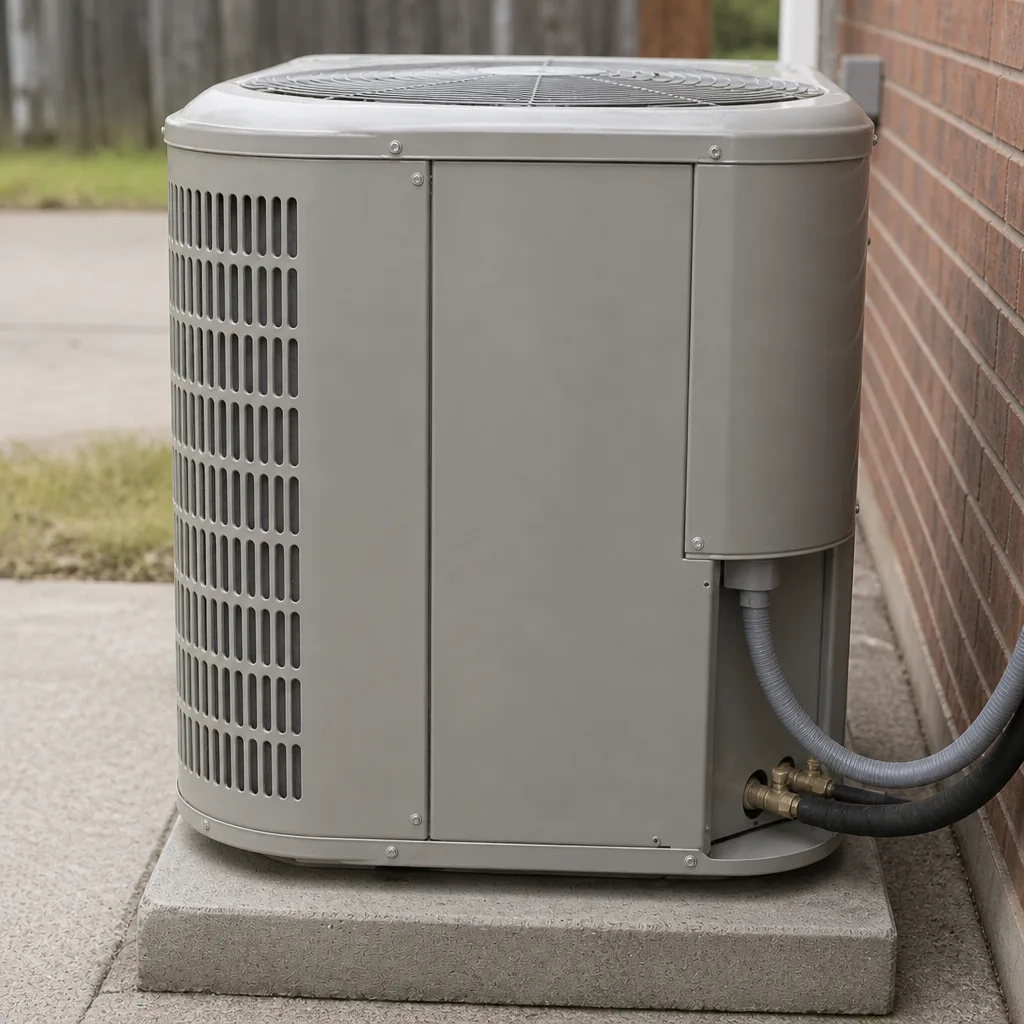
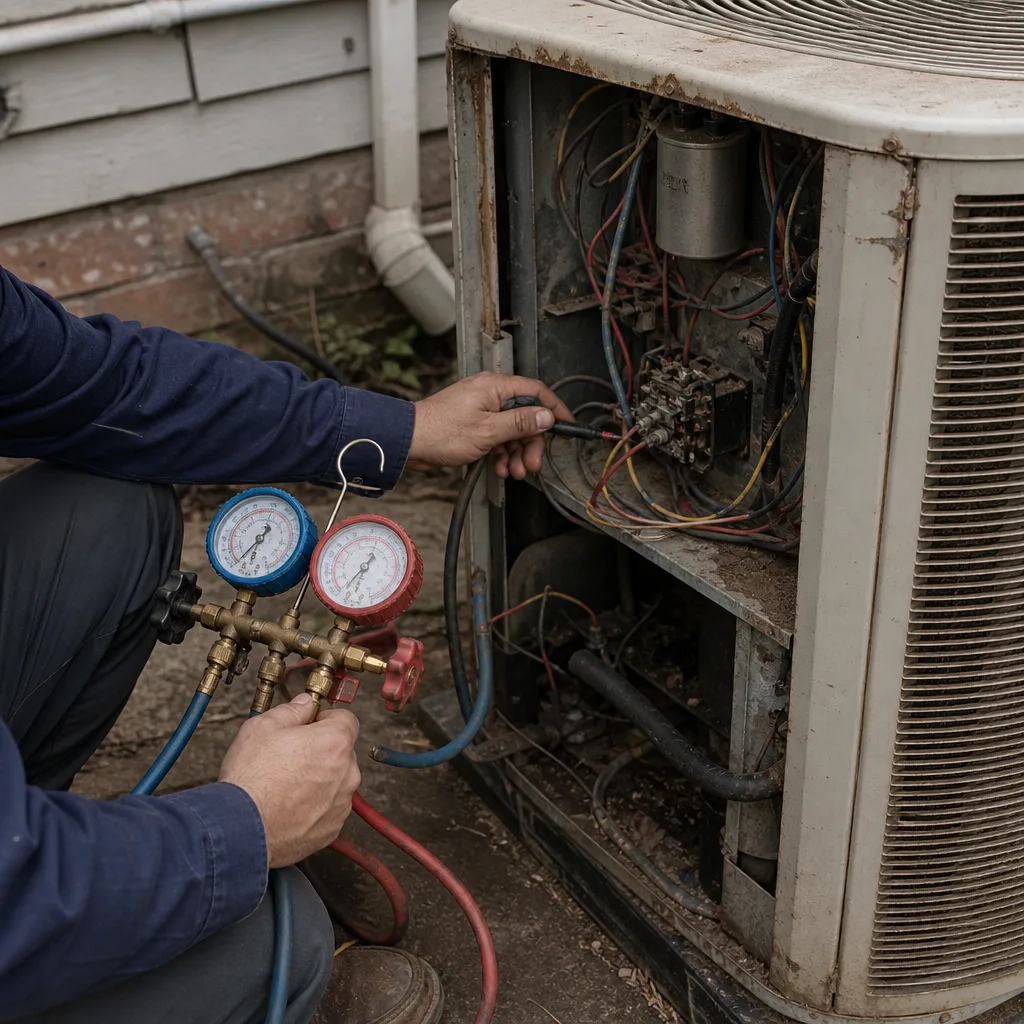
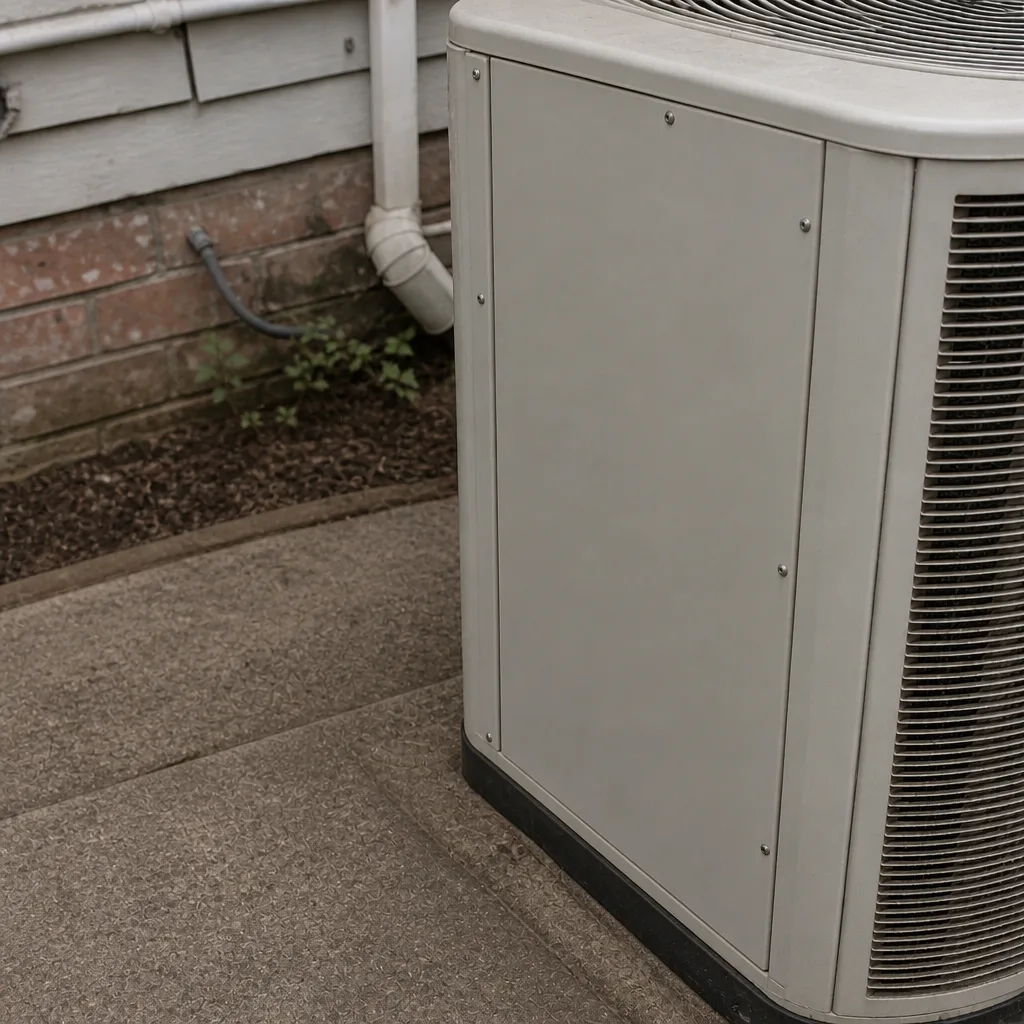
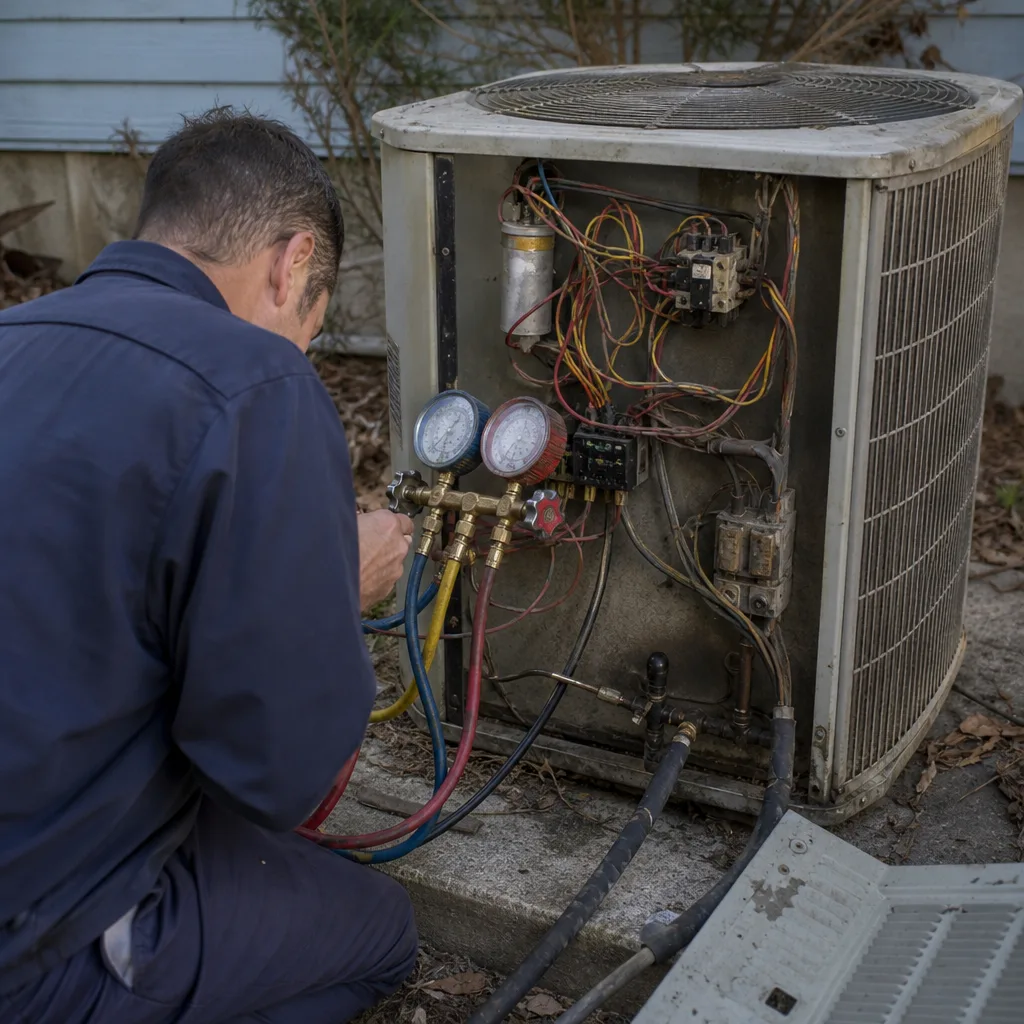
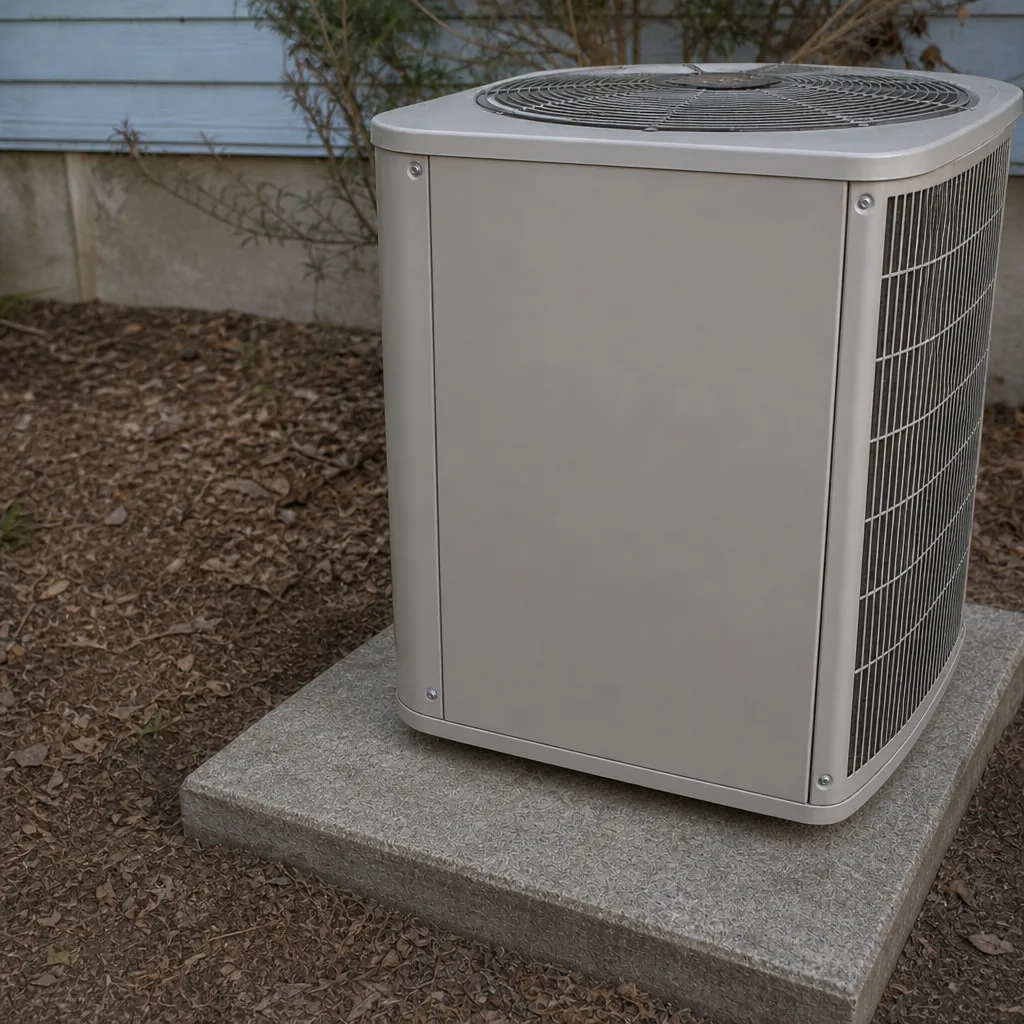
See the difference
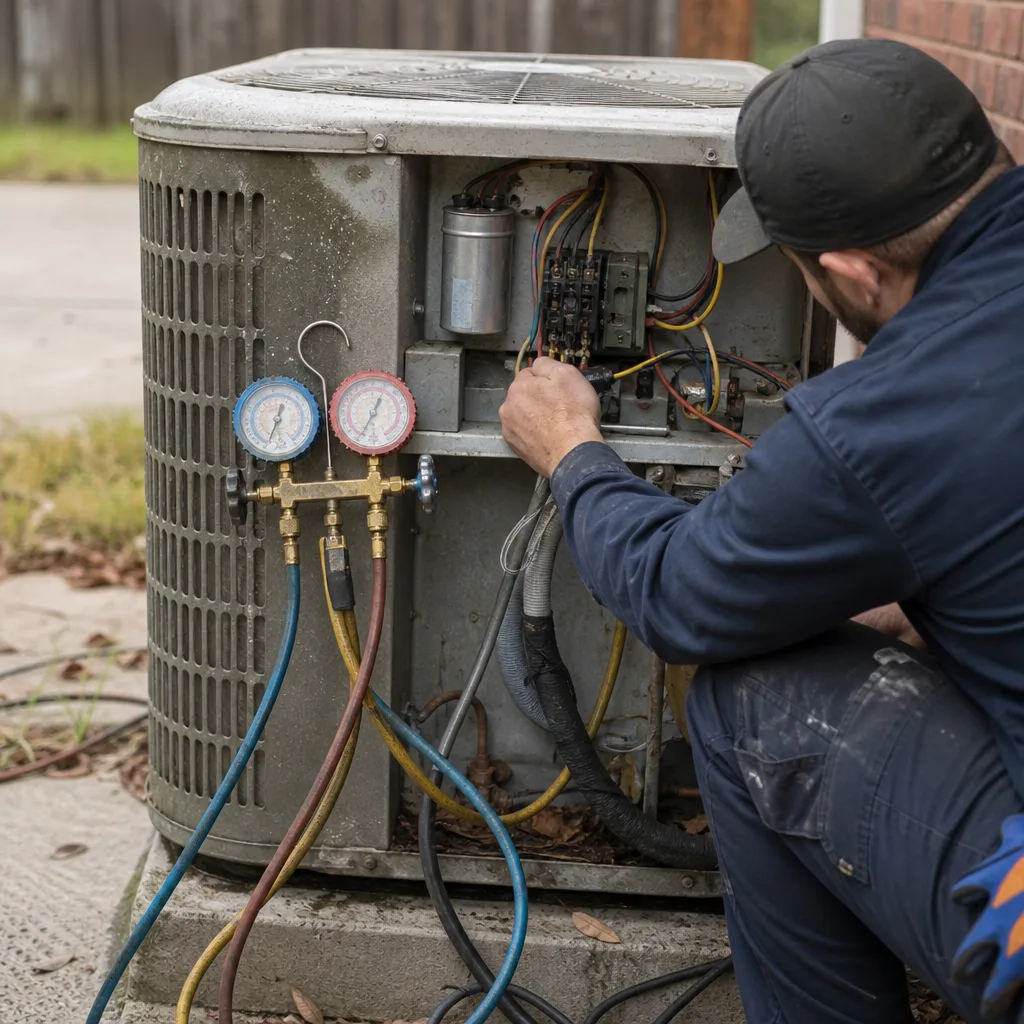 Before
 After
 Before
 After
 Before
 After
When to Call a Professional
Call a professional when a system that’s worked reliably starts short-cycling, when you notice a refrigerant or gas smell, when the indoor coil is icing or the outdoor unit is tripping the breaker, or when the furnace is showing a flame or venting problem. Those are cases for a trained technician, not a homeowner with a screwdriver. Call before the system fails outright, too, when you know a replacement is coming and want a real estimate rather than a panic-day decision. Our Denali AC Repair team handles furnace repair, furnace replacement, and AC installation under one relationship, so a heating problem and a cooling problem don’t take two contractors.
Denali AC Repair offers free estimates in Arlington. Call (888) 604-8863. We answer 24/7. Fast dispatch from 7am to 7pm, Sunday through Friday.
Frequently Asked Questions
A full system replacement in Arlington typically runs $8,500 to $15,000 installed, depending on equipment tier and whether ductwork needs work. An AC-only replacement runs roughly $4,800 to $8,200, and a furnace-only replacement runs about $3,200 to $6,400. The written estimate sets the final price, and estimates are free. Call (888) 604-8863.
Most Arlington homes run a horizontal air handler in the attic, which adds labor over the ground-floor units national averages assume. That access complexity can push a straightforward job $800 to $1,500 higher. Local labor rates also land between rural Texas and Dallas proper, and the difference shows up on the quote. Call for an exact quote.
Often yes, provided the equipment meets every layer’s qualifying threshold. Confirm the current utility rebate, the federal tax credit rules under the Inflation Reduction Act, and any manufacturer program before the unit is ordered. The installer can handle the paperwork alongside your estimate. Call (888) 604-8863 for help checking eligibility.
A repair that costs more than about a third of a new system’s price, on a unit that’s already older with prior major repairs, usually favors replacement. A repair on a system with years of service left favors repair. We’ll show you the honest math either way. Call for a free estimate.
Expect permit fees (roughly $75 to $250), electrical disconnect and reconnect ($150 to $450), refrigerant recovery and disposal ($100 to $300), and possible duct modifications ($200 to $800). Ask for a line-item quote that lists each one. Estimates are free; call (888) 604-8863.
Same-day service is available for repair calls, and fast dispatch runs 7am to 7pm, Sunday through Friday. Replacement work is load-calculated and scheduled, so it won’t be same-day. Call (888) 604-8863 to get on the schedule. We answer 24/7.
The Bottom Line
Arlington homes don’t fit the national rollup, and the price guides that ignore horizontal attic air handlers, local labor context, and the rebate layering cost you real money. The honest numbers live on a written, line-item quote that includes the permit, the recovery, the disposal, and the duct realities of your particular attic. If you’re deciding between repair and replacement, get the math before you commit, not after. For a straight answer and a free estimate for your home in Arlington, call (888) 604-8863. We answer 24/7. Fast dispatch from 7am to 7pm, Sunday through Friday.
Written by the team at Denali AC Repair.