
Last updated November 15, 2026
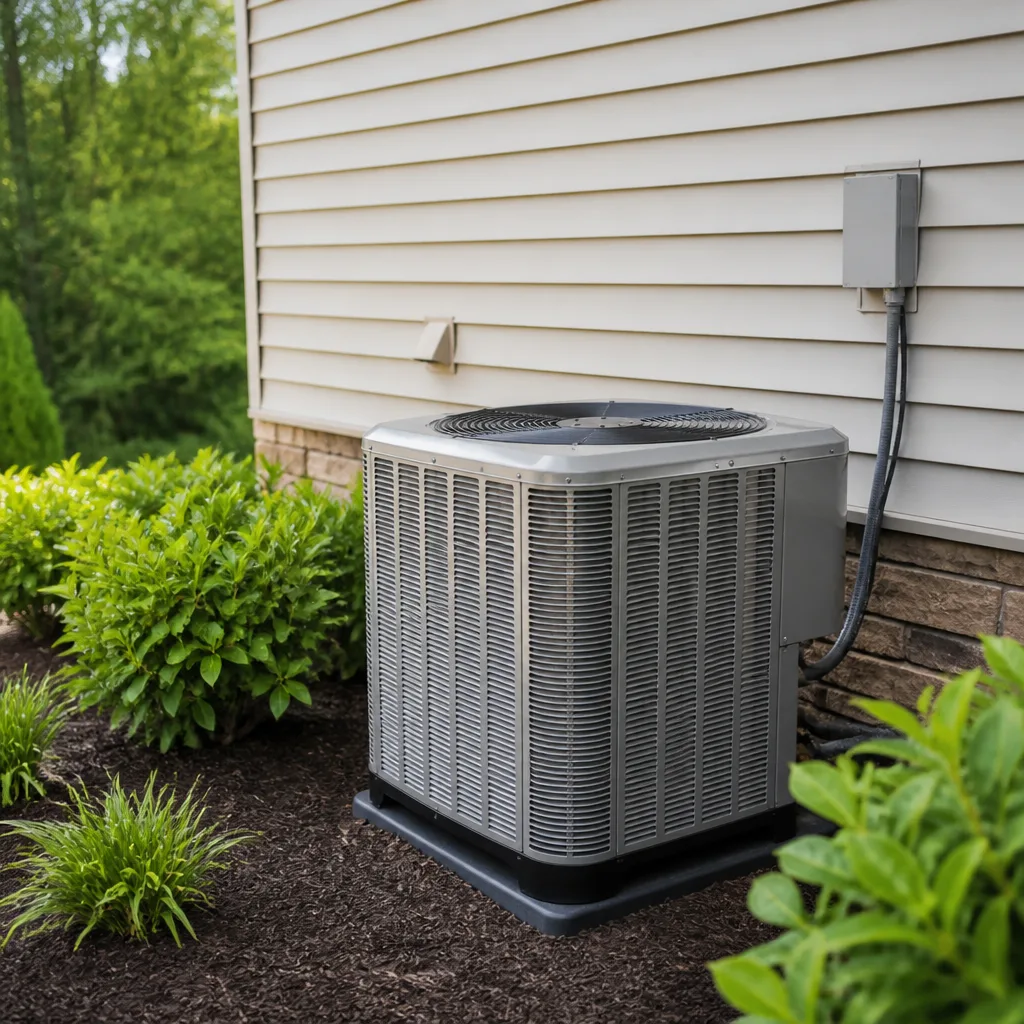 AC repair
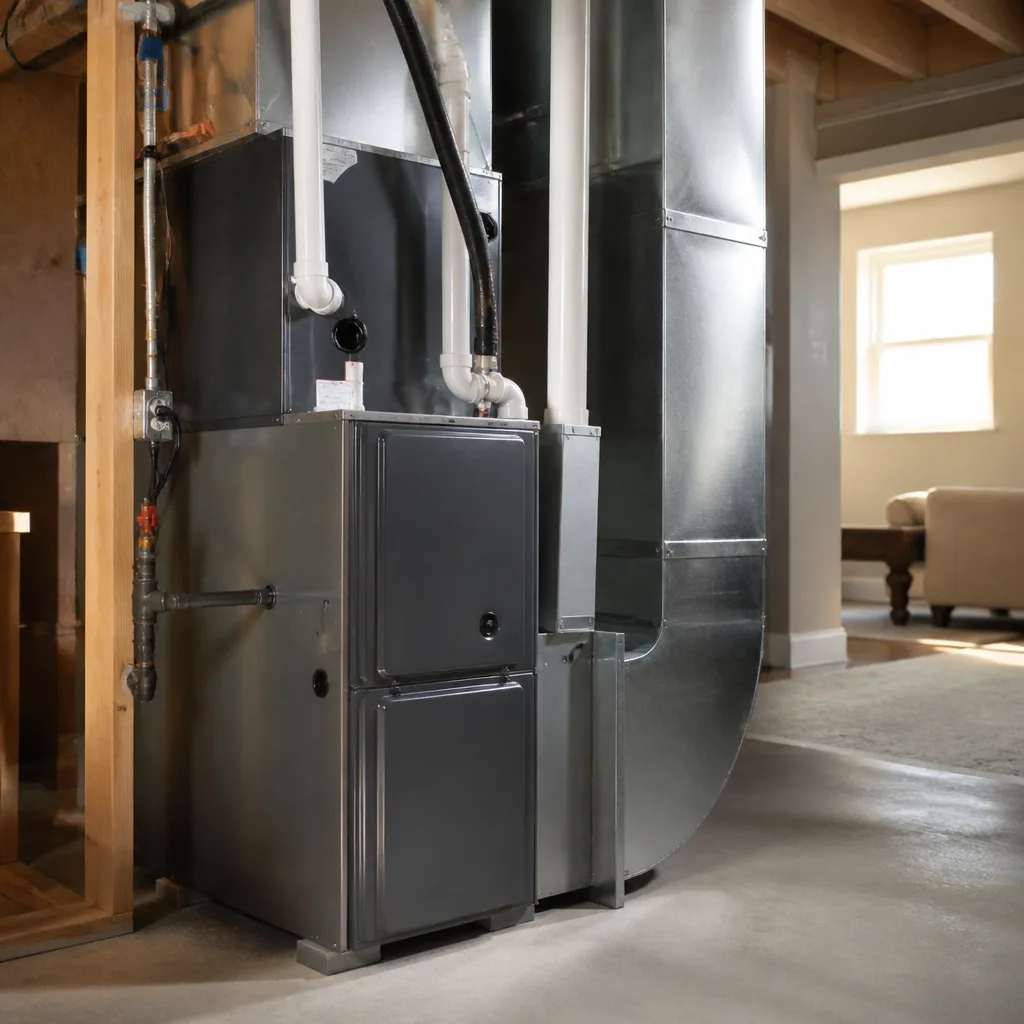 Furnace & heating
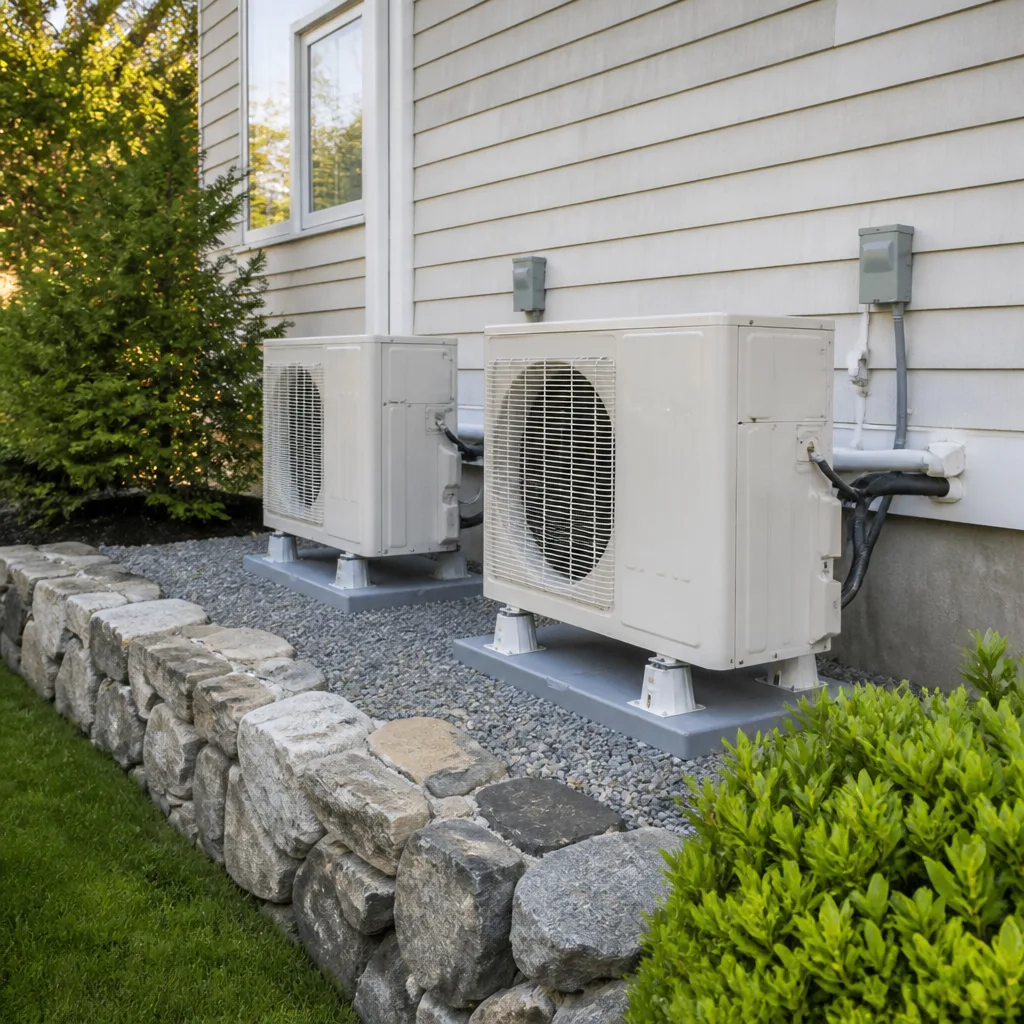 Heat pumps
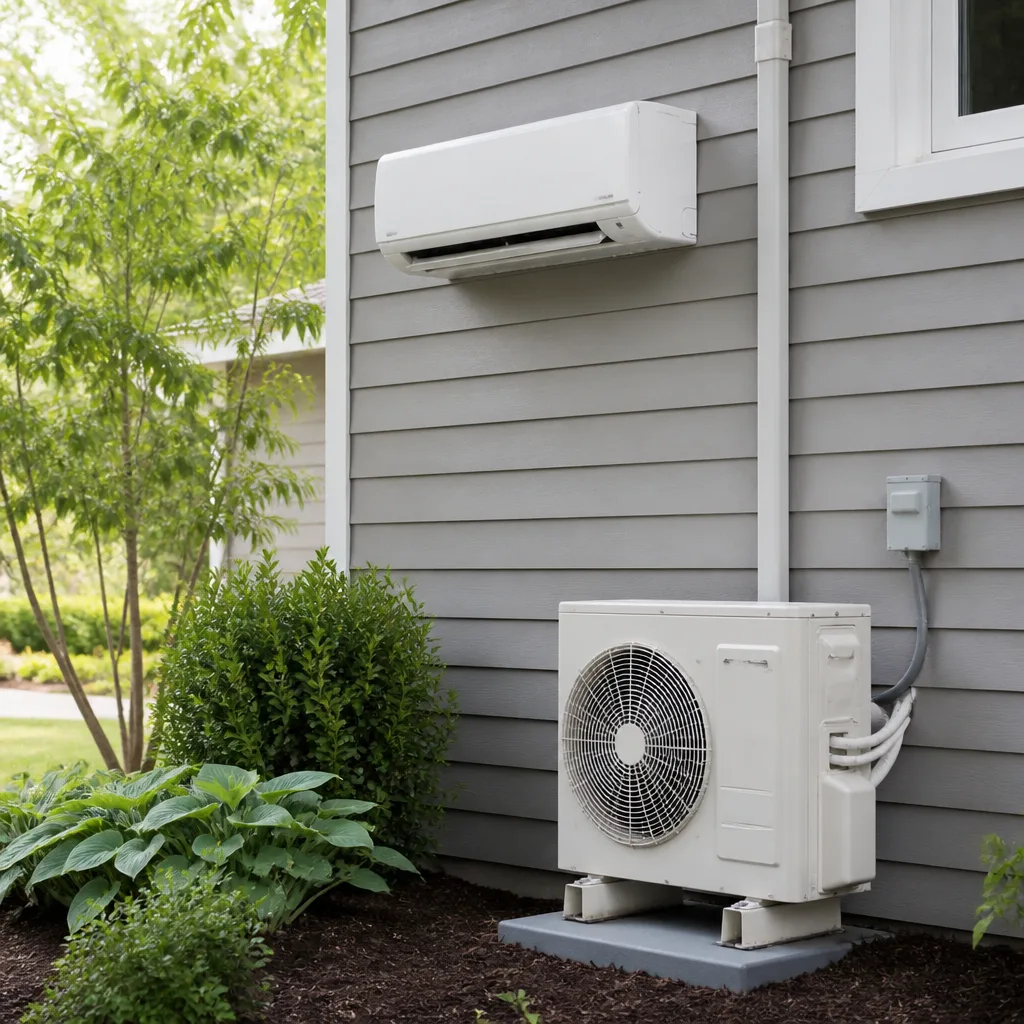 Ductless mini splits
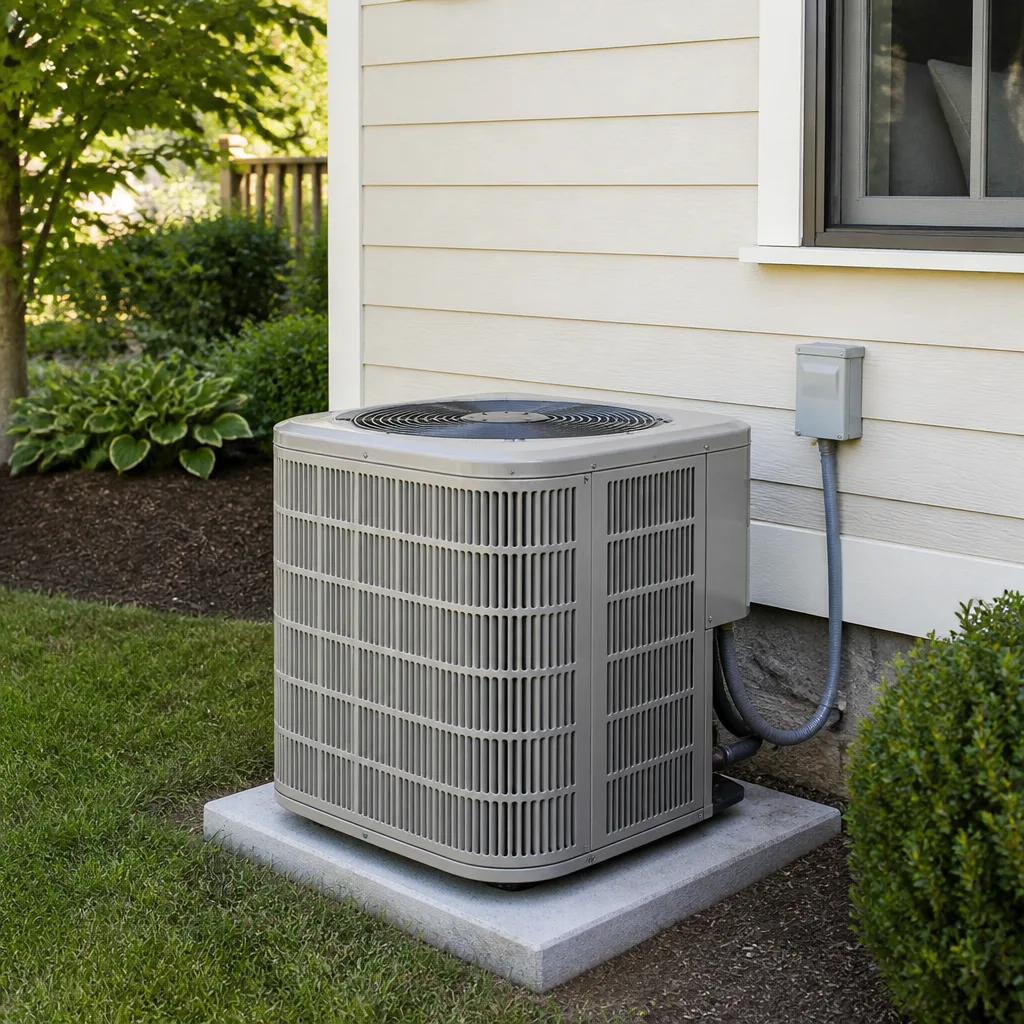 Carrier
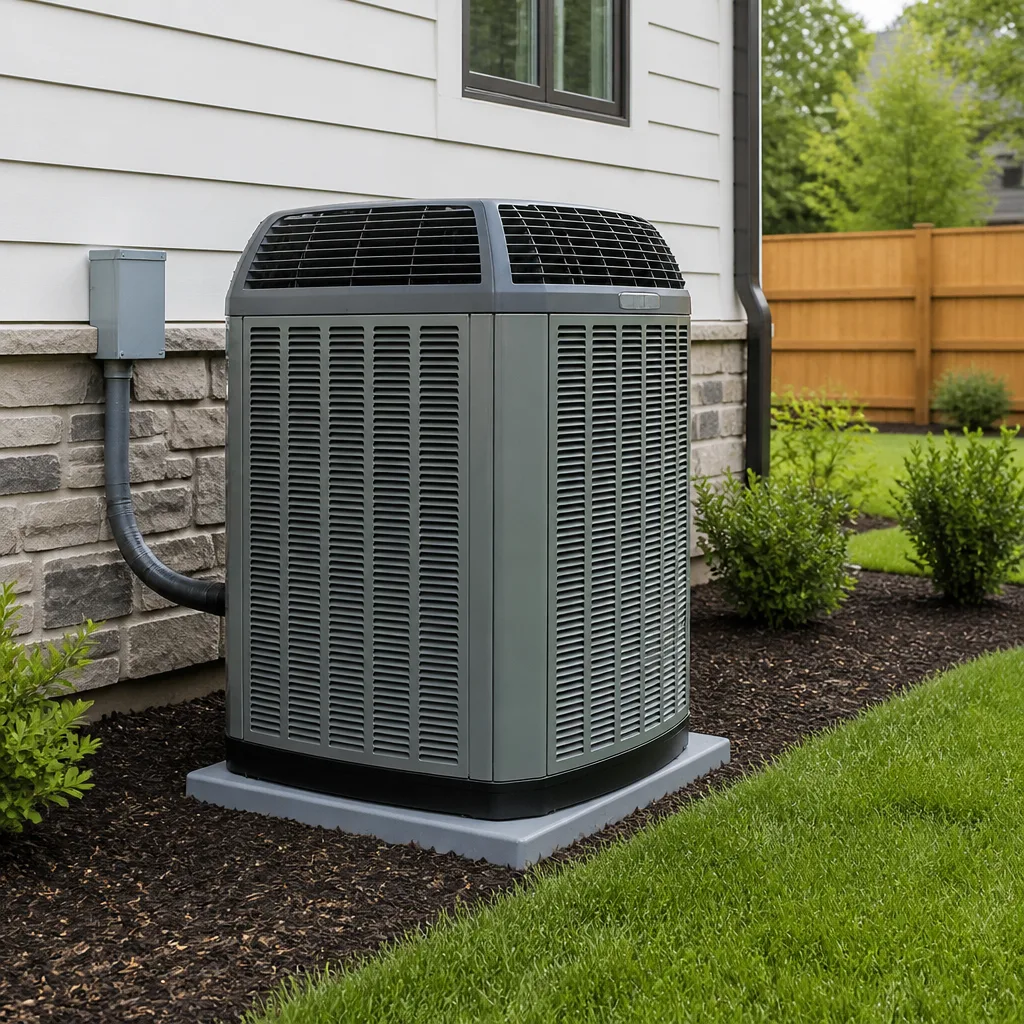 Trane
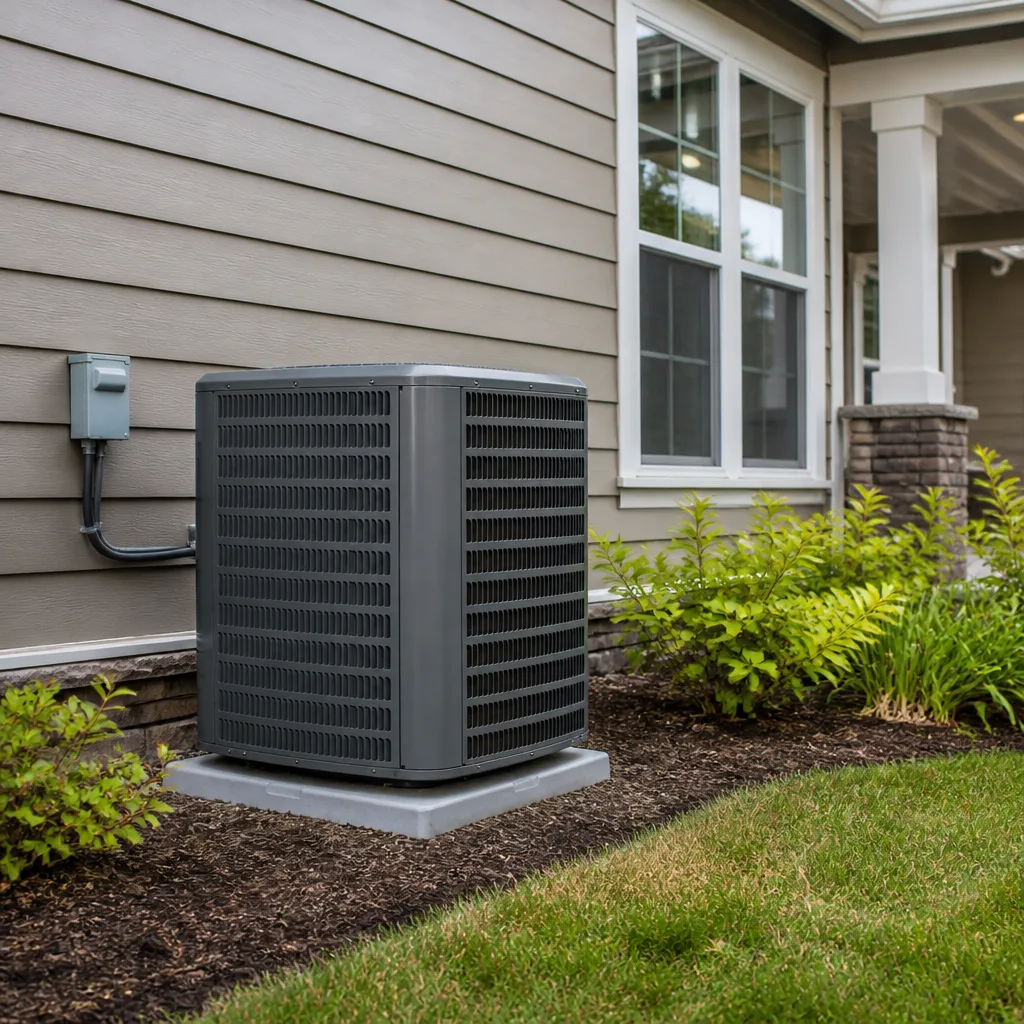 Goodman
Seasonal tune-up and full diagnostic on your Carrier, Trane, or Goodman system - readings shown to you before any repair is proposed
Diagnosis first, numbers second - you approve the repair price before a single part goes in.
Get your free estimateHVAC Emergency Preparedness Guide for Arlington Homes
Most Arlington homeowners treat an HVAC failure like a random event, something that just happens to unlucky people. It doesn’t work that way. Heating and cooling breakdowns here cluster tightly around three predictable triggers: the first real heat wave of summer, the first hard freeze of winter, and the big storm systems that roll across North Texas. When one of those hits, every contractor in the area gets buried at the same time, and the homeowner who did nothing in advance is stuck at the back of a long line. This guide is about getting ahead of that curve. You’ll learn the five common failure modes, which cheap parts are worth keeping on hand, how to set up a service relationship before you need one, and what to have ready when you call. It’s written for Arlington homes specifically, with the local climate and housing stock in mind.
Quick Answer
HVAC emergency preparedness in Arlington means preparing for three predictable stress windows: the first heat wave of summer, the first hard freeze of winter, and major storm events. The practical steps are keeping a small stock of inexpensive parts, knowing how to shut your system down safely, establishing a service relationship before the rush, and having your system’s model and service history ready when you call. Prepared homeowners get back online in hours. Unprepared ones wait days.
Styles & brands we work with
- AC repair
- Furnace & heating
- Heat pumps
- Ductless mini splits
- Carrier
- Trane
- Goodman
Table of Contents
- Why HVAC Emergencies Cluster in Arlington
- The Five Most Common Failure Modes and What to Do First
- The Pre-Season Parts Inventory Worth Keeping
- How to Set Up a Service-Priority Relationship
- Heat and Cold Safety Protocols Between Failure and Repair
- What to Have Ready Before You Call
- Timing Your Maintenance Around Arlington’s Seasons
Why HVAC Emergencies Cluster in Arlington
HVAC failures aren’t evenly distributed across the calendar. They stack up in narrow windows, and understanding when those windows open is the foundation of any real preparedness plan.
The first sustained stretch of 100-degree days in an Arlington summer is the single busiest period of the year for cooling repairs. Systems that limped through spring suddenly run nonstop for twelve or fourteen hours a day, and components that were already weak fail under the load. A capacitor that was marginal in April gives out in July. The same pattern plays out in reverse during the first hard freeze of winter, when furnaces that sat idle since March fire up for the first time and reveal problems nobody knew about.
Storm events add a third spike. North Texas spring and early summer storms bring hail, high wind, and the occasional power surge or outage that damages outdoor condenser units and control boards. When the power comes back on, a whole neighborhood’s worth of systems restart at once, and the weak ones don’t survive the restart.
What this means in practice is that demand for HVAC service in Arlington doesn’t rise gradually. It spikes. When it spikes, the contractors with the most calls go to the customers they already know first. That single fact is why the rest of this guide focuses on doing things in advance rather than reacting well under pressure.
What a Real Surge Looks Like
During a major regional cold event, HVAC contractors across the DFW area can go from normal scheduling to multi-day wait lists within 48 hours. That’s not a scare tactic, it’s what happens when tens of thousands of systems fail in the same week. Homeowners with a service relationship and a few parts on hand often get resolved the same day. Homeowners starting from zero call down a list of busy signals.
The Five Most Common Failure Modes and What to Do First
These five problems account for the large majority of emergency HVAC calls we see in Arlington. For each, the first step matters as much as the repair itself, because the wrong reaction can turn a small fix into a bigger one.
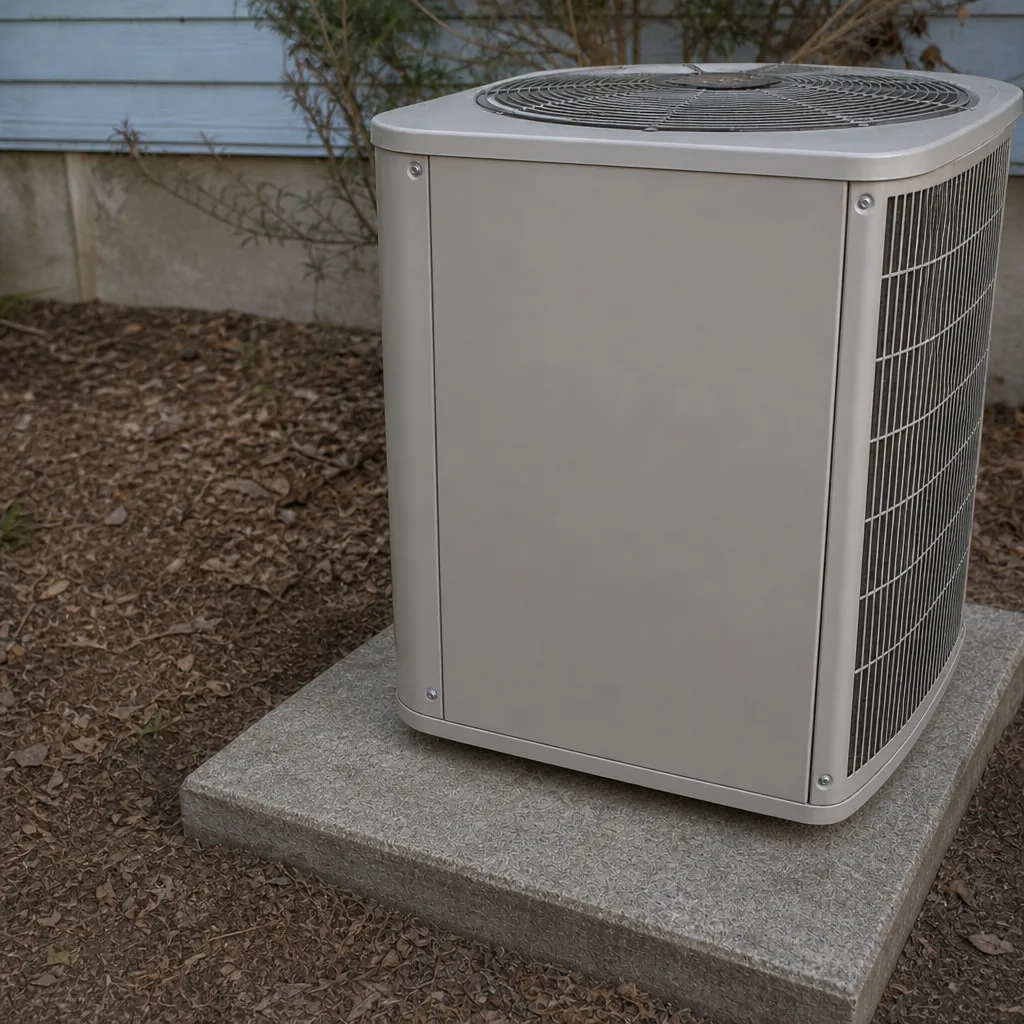
- Failed run capacitor (cooling). The outdoor unit hums but the fan won’t spin, or the compressor tries to start and clicks off. This is the most common summer failure by a wide margin. Shut the system off at the thermostat so the compressor doesn’t keep trying to start. A technician can test and replace the capacitor quickly.
- Failed contactor (cooling). The system won’t come on at all, or the outdoor unit cycles oddly. The contactor is the switch that tells the condenser to run. Same first step: turn the thermostat off and stop cycling the system.
- Clogged condensate drain (cooling). Water pooling near the indoor unit or the drain pan overflowing. Many systems have a float switch that shuts the unit down when the pan fills. Turn the system off, and don’t run it again until the drain is cleared or the pan is emptied.
- Ignition or flame sensor fault (heating). The furnace runs for a minute or two, then shuts off, and repeats. This is a safety-related fault. Turn the furnace off at the thermostat and the service switch, and don’t keep resetting it hoping it catches.
- Tripped breaker or failed blower (either season). No airflow, no fan, nothing happens when the thermostat calls. Check the breaker once. If it trips again, stop. A breaker that trips repeatedly is telling you something is wrong, not that it needs to be reset again.
When to Shut the System Down Completely
Shut the system off at the thermostat and, if you can safely reach it, at the service switch whenever you see any of the following: water where it shouldn’t be, a burning or hot-plastic smell, repeated short cycling, a breaker that trips more than once, or any sign of electrical arcing or scorching. When in doubt, off is the safe answer. A system that’s off can’t do more damage. A system that’s cycling badly can.
One hard rule: if you smell gas anywhere near the furnace, leave the house and call your gas utility from outside. Don’t flip switches, don’t hunt for the source. That’s a utility and fire department call, not an HVAC call.
The Pre-Season Parts Inventory Worth Keeping
Here’s the part most homeowners never hear: a handful of inexpensive components resolve a large share of Arlington’s summer emergencies. Keeping them on hand means a technician can finish the job on the first visit instead of ordering a part and coming back.
We work on equipment from every major brand, and the same small parts show up again and again across Rheem, York, Daikin, Bryant, and the rest. Capacitors, contactors, and filters are broadly similar across manufacturers. That’s what makes a small home inventory practical.
- Run capacitor (one or two, matched to your unit’s rating). Read the microfarad (µF) rating printed on the side of your existing capacitor and match it. This is the single most useful part to have on hand in summer.
- Contactor (one, matched to your unit). Inexpensive and common. A spare contactor covers one of the top three summer failures.
- Air filters (several, correct size). Not glamorous, but a clogged filter causes frozen coils, high head pressure, and premature failures. Keep a stack and change on schedule.
- Condensate drain tablets. These slow the algae growth that clogs drain lines in warm, humid weather. Drop one in the pan or drain line as part of routine care.
- Condensate drain brush or vacuum attachment. Cheap, and it lets a technician clear a clogged drain in minutes instead of troubleshooting a mystery.
What not to DIY: capacitors hold a charge even after power is off, and touching the terminals can injure or kill you. Contactors and electrical components carry live voltage. Stocking the part is the homeowner’s move. Installing it is the technician’s job. That division of labor is exactly why a pre-stocked part saves time without creating risk.
Where to Get the Right Parts
Match parts to the specifications printed on your existing components, not to a guess. A capacitor with the wrong µF rating will fail quickly or damage the compressor. When in doubt, photograph the label and let a technician confirm the match. The goal is to have the right part waiting when the tech arrives, not to become your own repair tech.
How to Set Up a Service-Priority Relationship
This is the section that separates a prepared Arlington homeowner from an unprepared one. A service relationship isn’t a contract or a membership. It’s the simple habit of having a contractor who already knows your system, and who will recognize your call when the phones are jammed.
Here’s what it actually looks like in practice:
- Get a routine tune-up before the season. A spring cooling check and a fall heating check give a contractor a baseline on your system and put your name in their records. When summer arrives and everyone else is calling for the first time, you’re a known customer.
- Keep the same contractor for both heating and cooling. One team that handles furnace repair and cooling service understands the whole system, not just half of it. When you call in a crisis, they already have your equipment history.
- Ask how they handle surge periods. A good contractor will tell you honestly how they prioritize existing customers when call volume spikes. No guarantees, just a clear answer about how they work.
- Save the number before you need it. It sounds trivial. It isn’t. The homeowner who has the number saved and the model number noted is the one who gets through.
- Address the small stuff during tune-ups. A capacitor flagged as marginal in spring gets replaced in spring, not in July when it fails at the worst possible moment.
Denali AC Repair services nine of the most widely installed brands, including Carrier, Trane, Lennox, Goodman, Rheem, York, Daikin, Bryant, and American Standard. That matters for a preparedness plan because your system is familiar territory. We’re not guessing when we open your unit. And because we handle both heating and cooling under one roof, you’re not handed off to a second contractor in the middle of an emergency.
Heat and Cold Safety Protocols Between Failure and Repair
Sometimes the repair can’t happen the same day. When that’s the case, the hours or days between failure and repair become a safety question, especially for vulnerable household members. Here’s how to think about that time.
When the AC fails in summer. Arlington summers are the real deal, and indoor temperatures can climb quickly in an unshaded home. Watch for indoor temperatures above 85°F, and above 80°F for infants, older adults, and anyone with a heart or respiratory condition. Practical steps: close blinds and curtains on sun-facing windows, use fans to move air (they help people, not the room, so don’t rely on them alone), stay on the lowest floor, drink water steadily, and have a plan for a cool place to go, whether a neighbor’s home or a public cooling space. If anyone shows signs of heat illness like confusion, nausea, or fainting, that’s a medical issue, not an HVAC issue. Get help.
When the heat fails in winter. North Texas winters are mild most of the time, but hard freezes do happen, and a failed furnace during one is serious. Watch for indoor temperatures below 60°F, and get vulnerable household members to a warmer location below that point. Practical steps: seal off unused rooms, use safe space heaters with attention to clearance and cords (never near fabric or unattended overnight), dress in layers, and keep the cabinet doors under sinks open on the coldest nights if you’re worried about pipes. Never use a gas oven or a charcoal grill indoors for heat. That’s a carbon monoxide risk, and it’s a mistake people make in exactly this situation.
A Note on the First Freeze
The first hard freeze of the season is the riskiest night for a furnace. If your heating system hasn’t run since last winter, run it for an hour on a mild day before the freeze arrives. If it’s going to fail, better to find out on a 60-degree afternoon than at 2am with the temperature dropping.
What to Have Ready Before You Call
This section is short and it matters. The information you have ready when you call directly affects how fast a technician can actually fix the problem, because the person scheduling the call can match the right tech and the right parts to your job.
Have these five things ready:
- System model and serial numbers. On the outdoor condenser and the indoor air handler or furnace. Photograph the labels and keep them on your phone.
- Approximate system age. From installation records or the date on the unit. Age changes the repair-versus-replace conversation.
- Last service date and what was done. A tune-up record tells the tech what was already checked and what was flagged.
- A clear symptom description. Not “it’s broken,” but “the outdoor fan hums but doesn’t spin, and the indoor unit blows warm air.” Specifics speed diagnosis.
- What you’ve already tried. Filter changes, breaker resets, thermostat settings. Saves the tech from repeating steps.
With that information in hand, a call to (888) 604-8863 goes straight to a useful diagnosis conversation. We answer 24/7, and fast dispatch runs 7am to 7pm, Sunday through Friday. The estimate is free, and the price is set per job by the written estimate.
Timing Your Maintenance Around Arlington’s Seasons
Preventive maintenance is the cheapest emergency preparedness there is. The question is when to do it, and in Arlington the answer is clear: beat the season, don’t follow it.
Schedule a cooling tune-up in spring, before the first heat wave, when the system has been idle and any weak components can be found without pressure. Schedule a heating tune-up in fall, before the first freeze. The point of a tune-up is to find the marginal capacitor, the dirty flame sensor, the clogged drain line, and the worn contactor before they fail on the hottest or coldest day of the year.
When you do schedule maintenance, ask what was actually found, not just whether it passed. A written report of the findings, with any components flagged as marginal, is a real preparedness tool. It tells you what’s worth pre-stocking and what’s likely to fail next. A good tune-up is diagnostic, not just a filter change and a signature.
For homeowners with systems approaching the end of their service life, the maintenance visit is also the natural time to have the honest repair-versus-replace conversation. A tech who understands furnace replacement and AC installation sees the whole system, not just the part in front of them. That’s a different conversation than the one you get from a technician who only patches what’s broken.
Common Mistakes to Avoid
- Waiting for the first heat wave to schedule a tune-up. By then, every contractor in Arlington is booking out. Book in spring, when the calendar is open and the diagnosis is unhurried.
- Resetting the breaker a third time. A breaker that trips repeatedly is telling you there’s a fault. Resetting it again can cause further damage or a safety hazard. Reset once, then stop and call.
- Running the system with water pooling around the indoor unit. That water can damage the cabinet, the ceiling, and the electronics. Turn it off and get the drain cleared before running it again.
- Using a gas oven or grill indoors for heat during a winter failure. This is a carbon monoxide hazard, and in a freeze emergency people do it. Don’t. Use a safe space heater and a plan for a warmer location.
- Buying parts off the shelf without matching the specs. A capacitor with the wrong µF rating can damage the compressor. Match exactly, or have a technician confirm.
- Calling without the model number and a symptom description. The vague call takes longer to schedule and longer to diagnose. Have the details ready.
- Treating every tune-up as a pass/fail. Ask what was found. The marginal components flagged in a fall tune-up are your early warning system for winter.
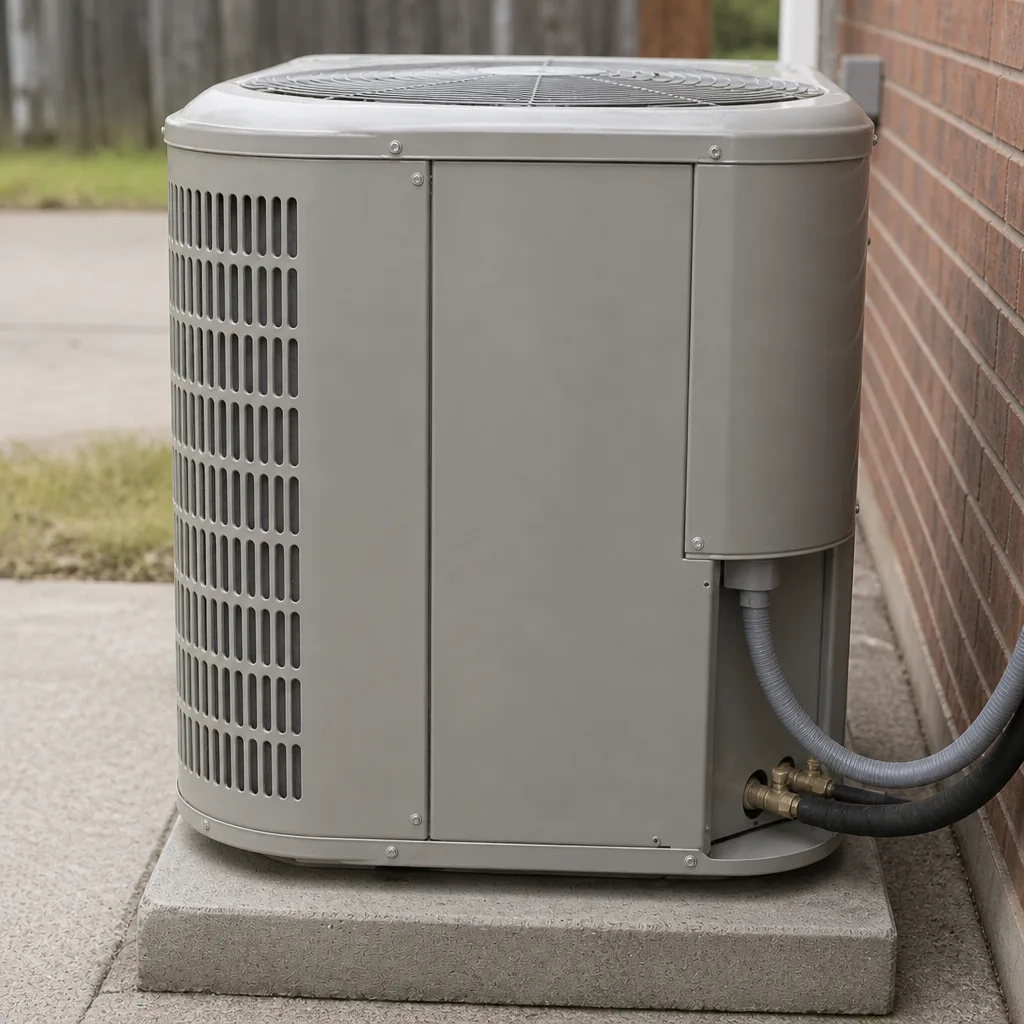
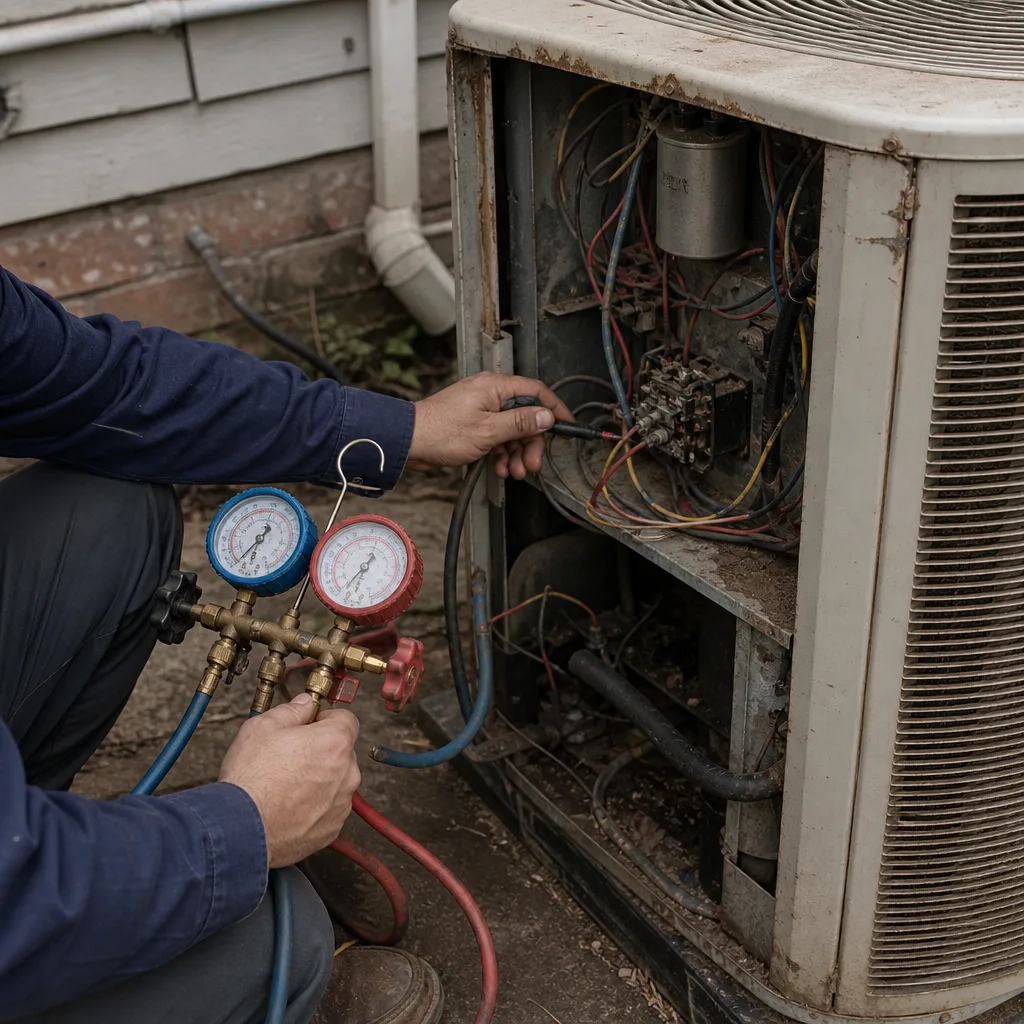
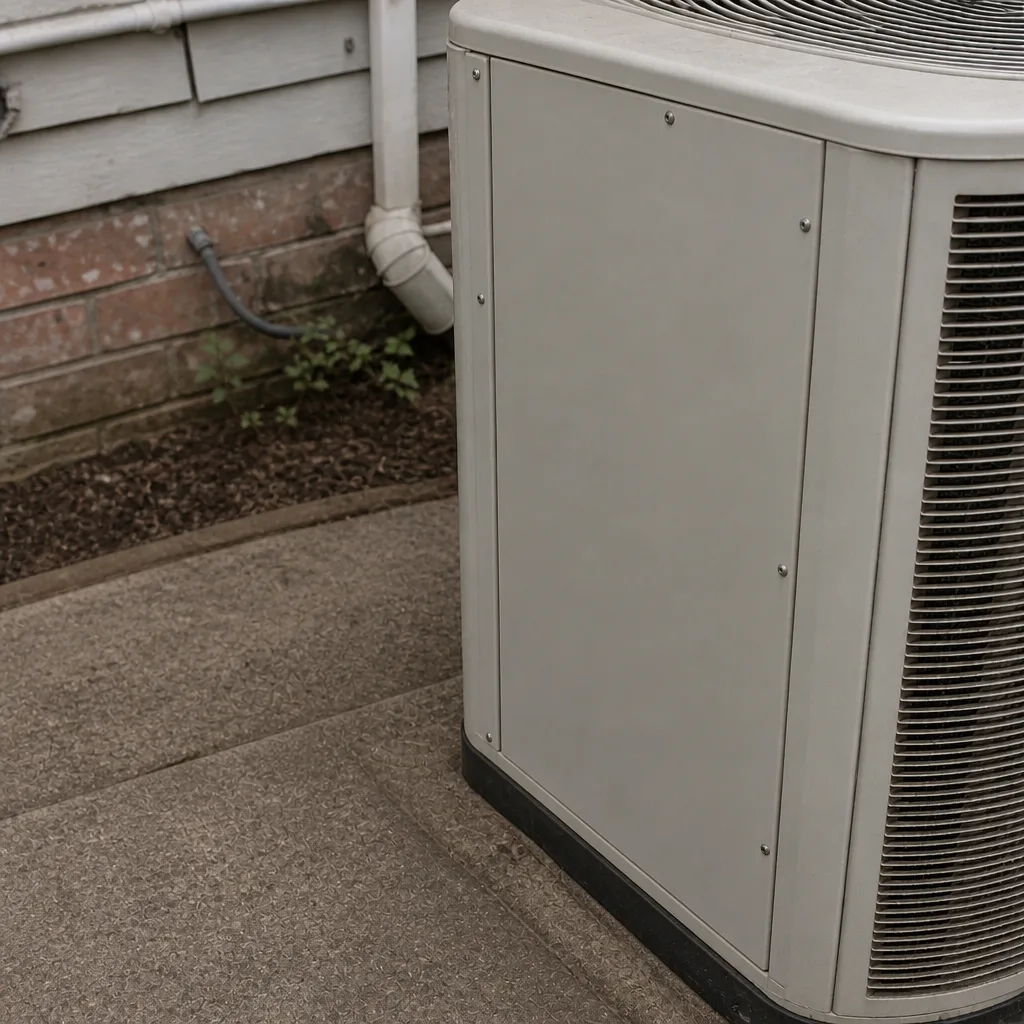
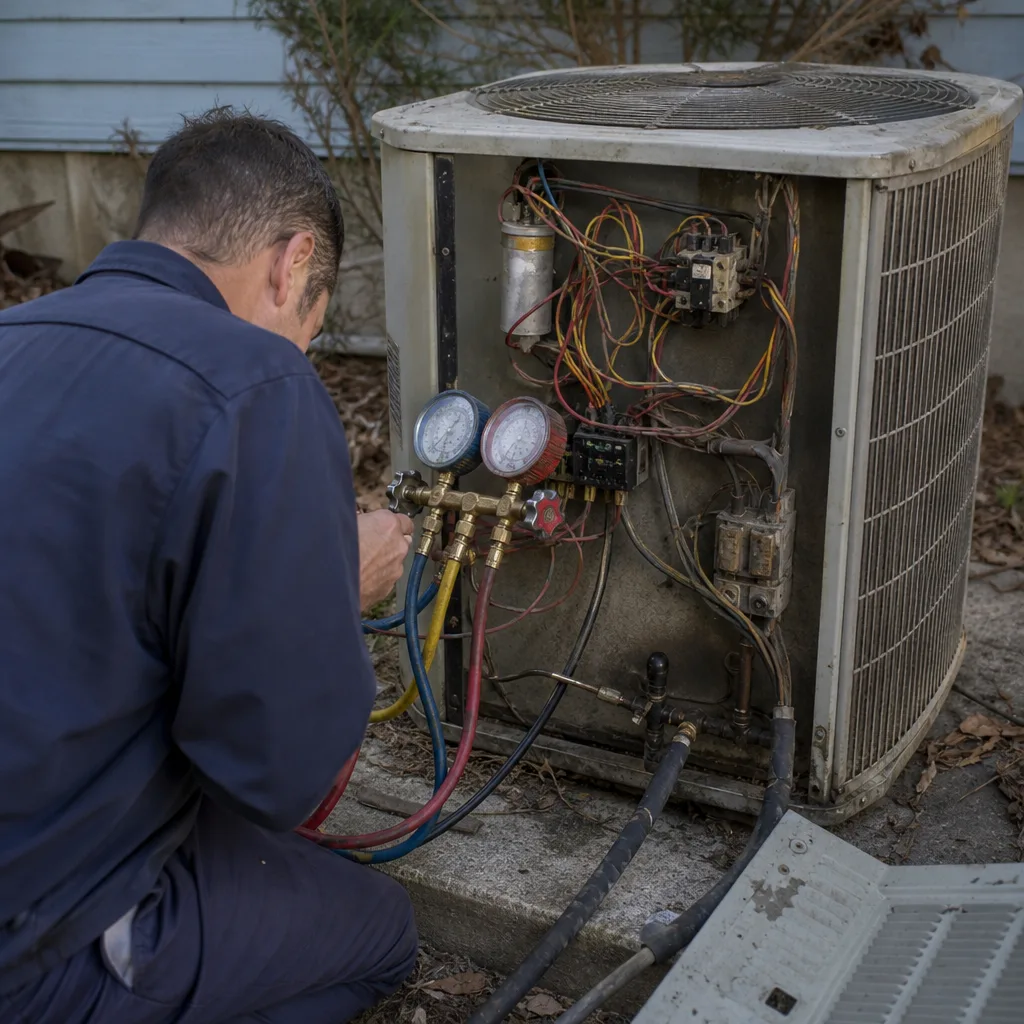
See the difference
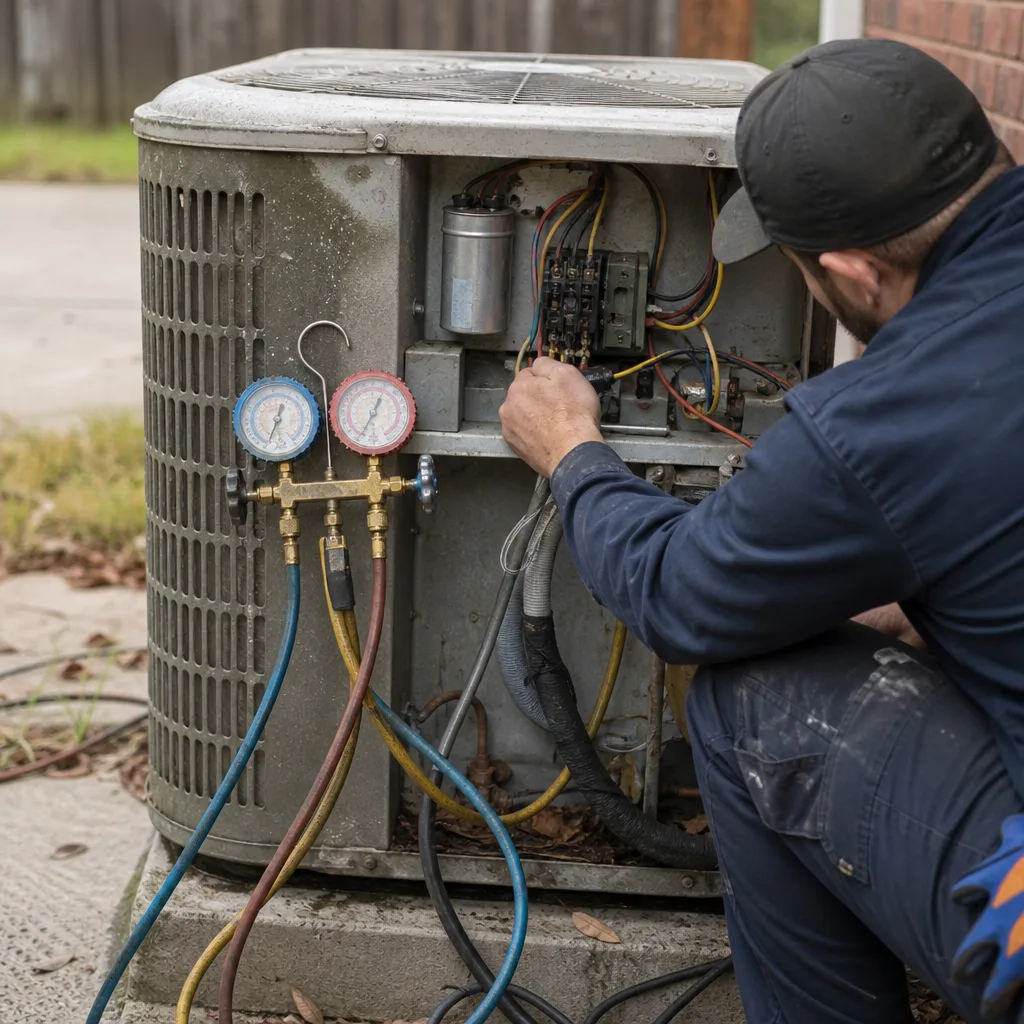 Before
 After
 Before
 After
 Before
 After
When to Call a Professional
Some problems are homeowner-checkable. Many aren’t. Call a professional when you see water pooling around the indoor unit, smell burning or hot plastic, have a breaker that trips more than once, hear repeated short cycling, or notice any sign of arcing or scorching. Call when your furnace won’t stay lit, when the outdoor unit hums without spinning (and a filter change didn’t help), or when the system simply won’t come on and the thermostat and breaker both check out. Call any time you smell gas, after leaving the house. And call for anything involving electrical components, because capacitors and contactors carry live voltage even with power off. A technician with the right test equipment and safety training resolves these quickly and safely. Denali AC Repair offers free estimates in Arlington. Call (888) 604-8863. We answer 24/7. Fast dispatch from 7am to 7pm, Sunday through Friday.
Frequently Asked Questions
Schedule a cooling tune-up in spring before the first heat wave, keep a matched spare capacitor and contactor on hand, stock the right size filters, and run the system for an hour on a mild day to confirm it’s healthy. Then keep the contractor’s number and your model number saved where you can find them. That combination of a pre-season check and a small parts inventory covers most of what goes wrong in an Arlington summer.
A matched run capacitor, a matched contactor, several correct-size air filters, condensate drain tablets, and a drain brush cover the large majority of common failures. Match the capacitor and contactor to the specifications printed on your existing components. Keep them on hand, but leave the installation to a technician, because capacitors hold a charge and the electrical components carry live voltage. Call (888) 604-8863 for an exact quote once you know what’s failed. Estimates are free.
Often yes. We answer 24/7 and run fast dispatch from 7am to 7pm, Sunday through Friday, so a call placed during dispatch hours usually reaches a technician the same day. Call (888) 604-8863 and have your model number and a symptom description ready, which speeds the response. A call outside dispatch hours is booked into the next opening, Sunday through Friday, 7am to 7pm. Estimates are free.
Yes, if you see water pooling, smell burning or hot plastic, have a breaker that trips more than once, or hear repeated short cycling. Turn it off at the thermostat and, if you can safely reach it, at the service switch. When in doubt, off is the safe answer, because a system that’s off can’t do further damage. Then call for service. For a straight answer on what’s wrong, call (888) 604-8863. Estimates are free.
Close blinds on sun-facing windows, use fans to move air, stay on the lowest floor, drink water steadily, and have a plan for a cooler place to go if indoor temperatures climb above 85°F, or above 80°F with vulnerable household members. Watch for signs of heat illness like confusion, nausea, or fainting, which are medical issues. While you wait, call (888) 604-8863 with your model number and symptoms so the job is ready to dispatch. Estimates are free.
Repair is usually the right call during an emergency unless the system is near the end of its service life or the failure is a major component like the compressor or heat exchanger. An honest contractor will give you the real math on both options, not default to a replacement sell. Ask what the repair buys you in expected service life and compare it to a new system. If replacement is the answer, it’s scheduled and ordered, not done same day. Call (888) 604-8863 for a free estimate. Estimates are free.
The Bottom Line
HVAC emergencies in Arlington aren’t random. They cluster around the first heat wave, the first hard freeze, and major storms, and the homeowners who prepare for those specific windows get back online fast while everyone else waits. The plan is straightforward: schedule tune-ups before each season, keep a small stock of matched parts, know how to shut your system down safely, have a service relationship before you need one, and have your model number and symptoms ready when you call. Denali AC Repair handles both heating and cooling for Arlington homes, from furnace repair and replacement to AC installation, and works on nine of the most widely installed brands. Our technicians have up to 10 years of experience. Call (888) 604-8863 for a free estimate. We answer 24/7. Fast dispatch from 7am to 7pm, Sunday through Friday.
Written by the team at Denali AC Repair.