
Last updated November 15, 2026
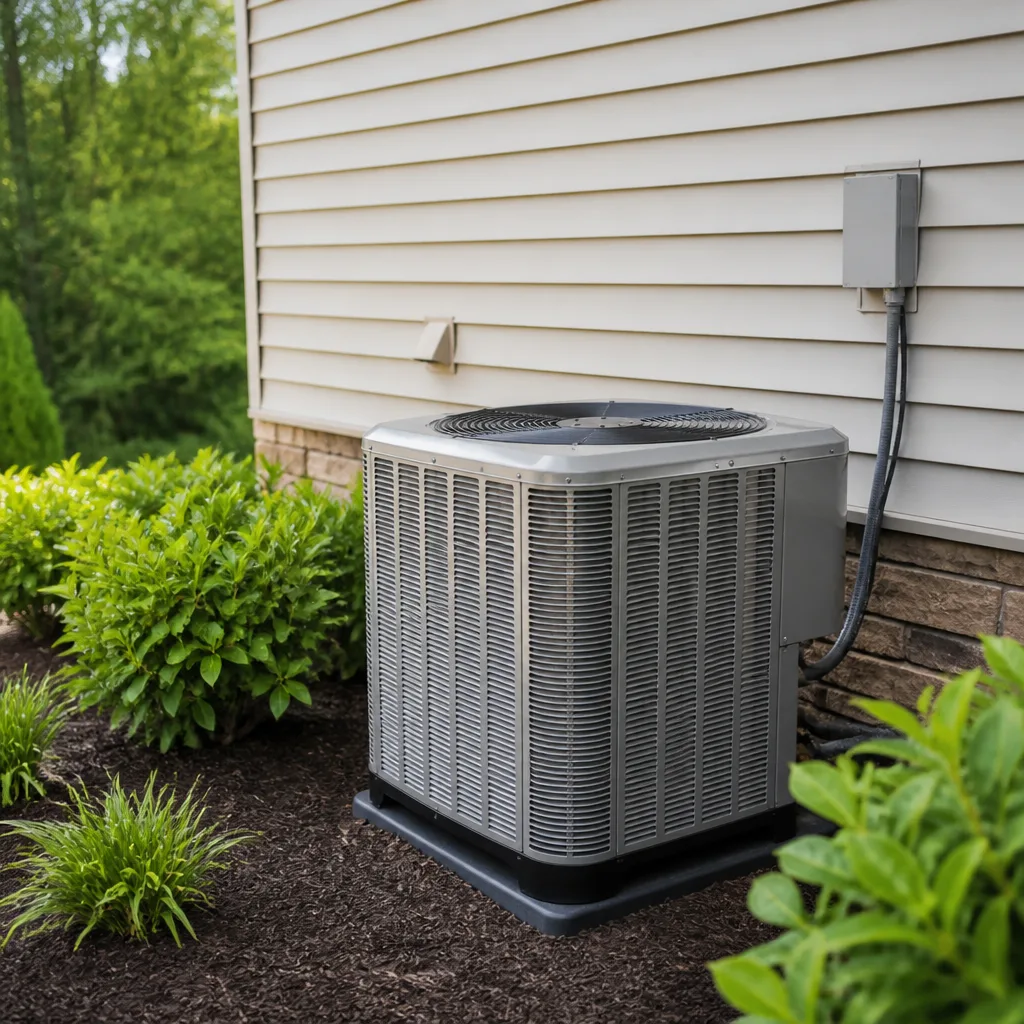 AC repair
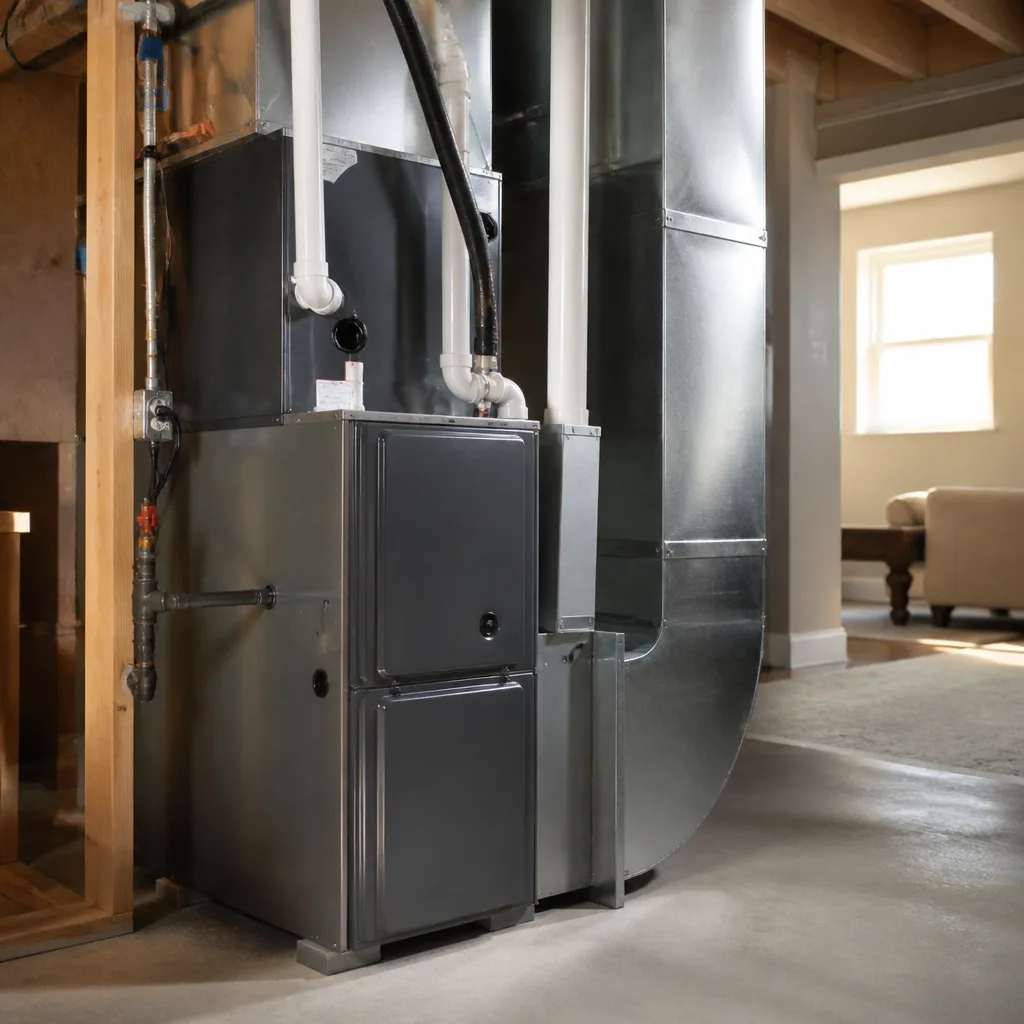 Furnace & heating
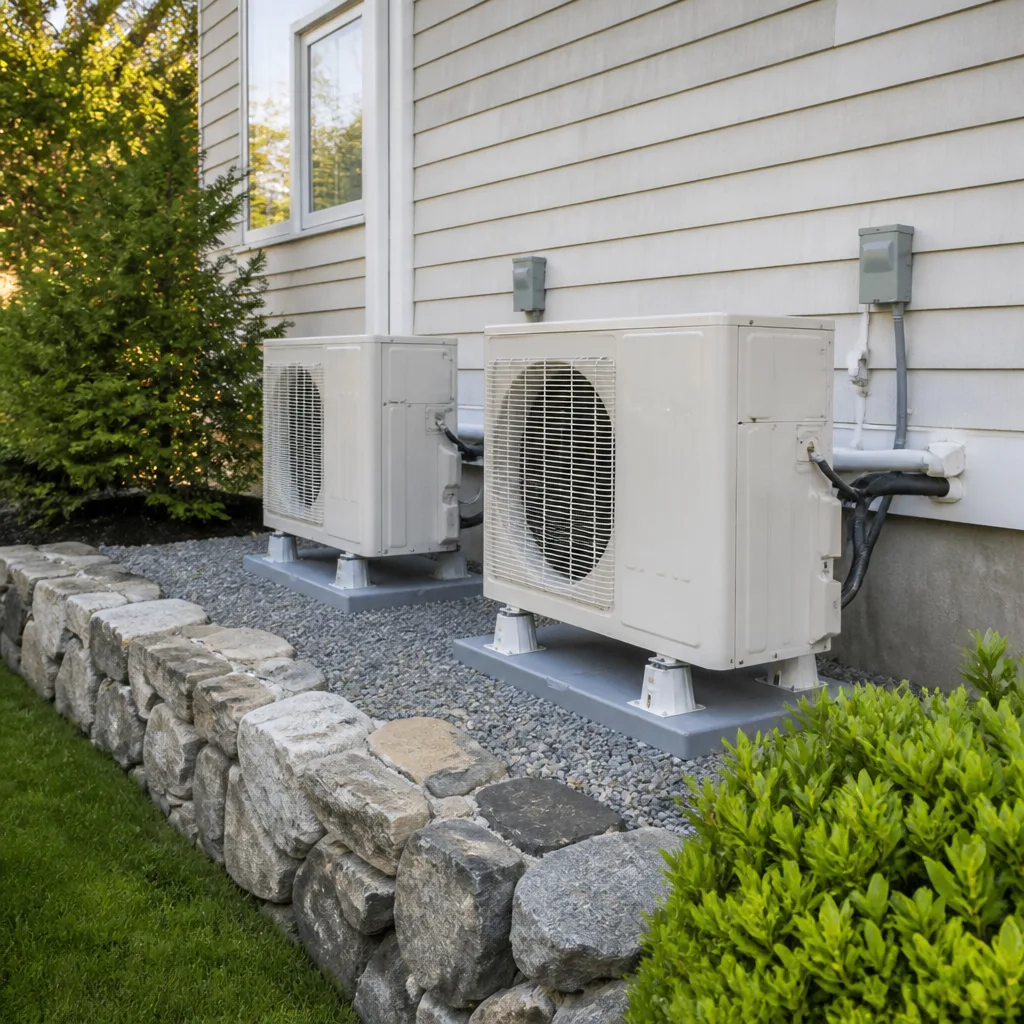 Heat pumps
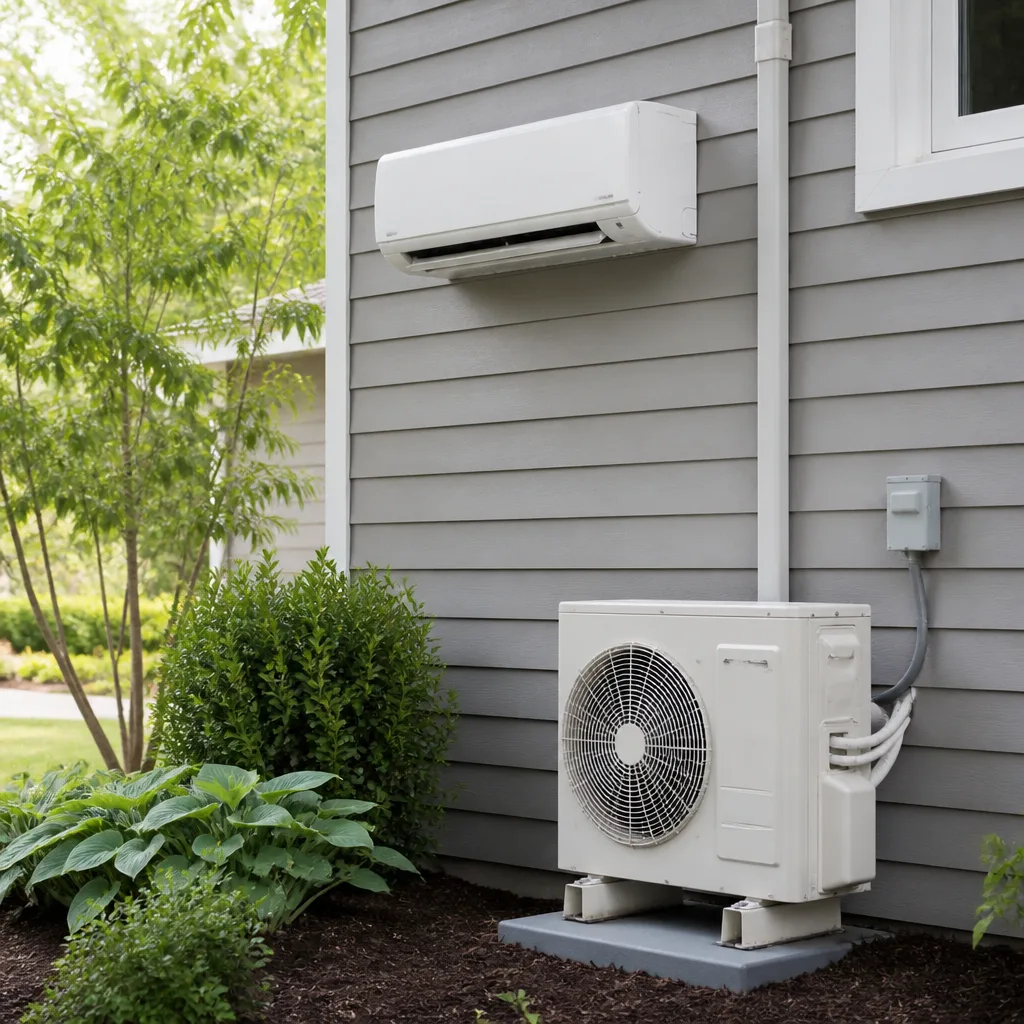 Ductless mini splits
 Carrier
 Trane
 Goodman
Seasonal tune-up and full diagnostic on your Carrier, Trane, or Goodman system - readings shown to you before any repair is proposed
Diagnosis first, numbers second - you approve the repair price before a single part goes in.
Get your free estimateHow to Hire an HVAC Contractor in Arlington: A Step-by-Step Guide
Most homeowners in Arlington start their search with one question: “Are they licensed?” That’s the wrong first filter. Texas issues HVAC licenses at the state level through TDLR, which means a contractor with a perfectly valid license may have never pulled a single permit in Tarrant County, never dealt with Arlington’s Development Services, and never seen how a local inspection actually goes. Licensing tells you someone passed a test. It doesn’t tell you whether they know your city, your equipment, or how to write a quote you can actually read. This guide walks you through the filters that matter: verifying the license the right way, checking permit history, reading a quote line by line, and tying your final payment to a passed inspection.
Quick Answer
To hire an HVAC contractor in Arlington, verify their state license number directly on the TDLR website, request their permit history through Arlington’s Development Services, insist on a written quote that separates equipment from labor and includes a load calculation, and structure payments so the final installment is due only after the work passes inspection. These four steps eliminate most of the risk before anyone touches your system.
Styles & brands we work with
- AC repair
- Furnace & heating
- Heat pumps
- Ductless mini splits
- Carrier
- Trane
- Goodman
Table of Contents
- Step 1: Verify the Contractor’s Texas HVAC License
- Step 2: Check Permit History Through Arlington Development Services
- Step 3: Read the Quote Line by Line
- Why Load Calculation Documentation Matters
- Step 4: Ask Questions That Reveal Real Brand Experience
- Step 5: Structure Payment Milestones Around Inspection
- Step 6: Decide Between Repair and Replacement Honestly
- Common Mistakes to Avoid
Step 1: Verify the Contractor’s Texas HVAC License
Every air conditioning and heating contractor working legally in Texas holds a license issued by the Texas Department of Licensing and Regulation, or TDLR. That’s a state credential, not a city one. Arlington doesn’t issue its own HVAC license, and that creates a specific gap: a contractor can be fully licensed, entirely legal, and still have never worked inside Arlington city limits. The license proves minimum competence. It doesn’t prove local experience.
So treat verification as a starting line, not a finish line. Here’s how to run it:
- Ask for the license number in writing. Any legitimate contractor gives it without hesitation. If you get a verbal “we’re licensed and insured” with no number, that’s your answer.
- Look the number up on the TDLR website. TDLR maintains a public license search. The number the contractor gave you should return an active license, the correct business name, and the correct license type. A mismatch between the name on the license and the name on your quote is a serious red flag.
- Check the expiration date. An expired license means the contractor isn’t currently authorized to do the work, regardless of what they tell you.
- Ask who will actually be on site. A licensed contractor can send technicians to do the work, but the license must cover the business doing the job. Confirm the company name on the contract matches the license.
- Ask about insurance separately. A license is not insurance. Request a certificate of insurance and confirm it’s current. Don’t accept a photocopy that’s clearly from several years ago.
This step takes about ten minutes. Ten minutes is a small price for knowing that the person installing a system in your home is authorized to do it. Denali AC Repair operates as a licensed and insured HVAC company, and we’re happy to walk through our credentials with any Arlington homeowner before a single appointment is booked.
Step 2: Check Permit History Through Arlington Development Services
Here’s where most homeowners stop short. Permits are the paper trail of a contractor’s actual work history in a city, and Arlington makes that history available through its Development Services department. If a contractor tells you they’ve “done hundreds of jobs in Arlington,” the permit record either backs that up or it doesn’t.
In Texas, HVAC replacements typically require a permit and an inspection. Installing a new system without one is a problem for you, not just for the contractor: unpermitted work can surface as an issue when you sell the home, and it makes warranty claims harder if something fails. The permit record is how you confirm the contractor actually operates the way they claim.
To check it:
- Ask the contractor for their recent Arlington permit activity. A local contractor knows which jobs required permits and can tell you how many they pulled in the past year.
- Contact Arlington’s Development Services directly. Request permit history for the contractor’s business name. This is a public records process, and while it takes some patience, it produces hard evidence.
- Look for failed or expired inspections. A single failed inspection isn’t disqualifying. A pattern of them is. So is a cluster of expired permits, which often means the contractor never called for final inspection.
- Ask who pulls the permit. If the contractor asks you to pull it as the homeowner, that’s a signal they either don’t want the inspection or aren’t set up to handle it. The contractor should pull it.
- Confirm the inspection timeline. Arlington’s scheduling process has its own rhythm. A contractor who works here regularly knows how far out inspections get booked and plans around it. One who’s never pulled a permit in Tarrant County won’t.
This step takes more effort than license verification, and it’s the one that separates contractors who work in Arlington from contractors who work near Arlington.
Step 3: Read the Quote Line by Line
An HVAC quote is a document you can read like a contract or one you can’t. The difference usually shows up in three places: vague line items, the word “installed,” and missing documentation. Ask for a written quote, not a verbal estimate, and then read it carefully.
Vague Line Items
“Furnace replacement: $X” is not a quote. A real quote lists the equipment model number, the size and capacity, and each piece of labor as its own line. If you’re comparing two quotes and one has eight line items while the other has one, the shorter one is hiding something, usually in the form of work that will be “discovered” later and added to the bill.
“Installed” vs. “Supplied and Installed”
These sound interchangeable. They aren’t, and the gap matters. “Installed” on its own can mean the quoted price covers labor only, with equipment billed separately. “Supplied and installed” confirms the price includes the equipment. Ask which one the quote means, and get the answer in writing. A quote that leaves this ambiguous has left you room to be surprised.
Missing Load Calculation
A professional HVAC quote for a replacement should reference a load calculation, which is the engineering step that determines what size system your home actually needs. We cover this in detail in the next section, but for now: if the quote picks a size without showing the math, ask why.
Other items a complete quote includes:
- The exact model number and brand of equipment being installed
- The model number and condition of anything being removed
- Permit fees and who is responsible for pulling the permit
- Any testing, balancing, or commissioning work included
- Warranty terms for both labor and equipment, in writing
- The total price and the payment schedule
If you’re comparing quotes, compare them on these items, not on the bottom line alone. The lowest total on a vague quote is not the lowest cost. It’s the least predictable one. For homeowners in Arlington considering replacement, a furnace repair quote and a replacement quote should both arrive in this format.
Why Load Calculation Documentation Matters
Load calculation is the process of measuring how much heating and cooling your specific home needs, based on square footage, insulation, window placement, ductwork, and the local climate. It’s not a guess or a rule of thumb. It’s a calculation, and a competent contractor runs one before recommending a system size.
Why it matters: an oversized system cycles on and off too frequently, which wears out components early and leads to uneven temperatures across the house. An undersized system runs constantly and never quite keeps up during the hottest stretches. Both problems trace back to a contractor who skipped the calculation and picked a size based on the old unit’s label. That label reflects what was installed before, not necessarily what’s right now.
Arlington’s summers test a system’s capacity. When the outdoor temperature climbs and stays there, an undersized system shows its limits in the form of rooms that never cool down and a unit that never shuts off. Proper sizing isn’t about buying the biggest system. It’s about buying the one the calculation calls for.
Ask this question during the quote process: “Did you run a load calculation on my home, and can I see it?” A contractor who ran one will pull it out or email it. One who didn’t will talk around the question. If the answer is vague, consider that a warning sign for the rest of the quote.
Step 4: Ask Questions That Reveal Real Brand Experience
HVAC brand expertise is easy to claim and hard to fake once you start asking specifics. This matters most if your home has a less-common system. A contractor who only installs one brand may be very good at that brand and lost inside yours. Denali AC Repair works on Carrier, Trane, Lennox, Goodman, Rheem, York, Daikin, Bryant, and American Standard systems, so we’ve seen how differently each manufacturer builds its equipment and controls. That breadth is the practical argument for a multi-brand contractor: when your unit is a Rheem and the person in front of it only knows Daikin, they’re guessing.
Questions that separate real experience from marketing:
- “What brand is my system, and what’s your typical approach to that model?” A real contractor recognizes the equipment and speaks to it specifically.
- “Have you worked on this brand’s control boards?” Parts availability and design differences vary widely by manufacturer.
- “Do you install only one brand?” A single-brand installer has an incentive to install their brand regardless of what your home needs.
- “If my equipment needs a part, how do you source it?” Brand-familiar contractors know where parts come from and roughly how long they take.
- “Will you recommend the same system for every home, or does the recommendation change by house?” Brand-neutral contractors give answers that change by house.
There’s a subtler version of this question, and it’s worth asking plainly: “Are you a dealer for one brand, or do you work across brands?” A dealer arrangement isn’t inherently bad, but it means the recommendation you get is filtered through a business incentive. A brand-agnostic contractor recommends based on load calculation, budget, and fit. That’s the model we work from, and it’s why AC installation recommendations vary depending on the home.
Step 5: Structure Payment Milestones Around Inspection
Payment structure is where good projects go bad. The problem isn’t usually a dishonest contractor. It’s a payment schedule that puts all the leverage on the contractor’s side before the work is verified. The fix is simple: tie the final payment to a passed inspection, not to a crew driving away.
A reasonable structure for a replacement project looks like this:
- Deposit or materials payment on signing. A modest upfront payment is normal. A demand for the full amount upfront is not.
- Progress payment at equipment delivery or start of installation. This covers equipment that’s actually on site.
- Final payment after inspection passes. This is the key one. The final balance should be due when Arlington’s inspection is complete and passed, and you have the paperwork in hand.
Get this structure in writing before anyone starts work. If a contractor insists on full payment on installation day regardless of inspection status, that’s a contractor who has arranged the deal so the risk sits with you. Ask them to move the final payment to post-inspection. How they respond tells you a lot.
What to collect at the end:
- Signed inspection report showing a pass
- Equipment model numbers matching the quote
- Warranty paperwork registered in your name
- Any permit documentation for your records
For homeowners in the Dalworthington Gardens and Pantego areas, who often deal with the same Tarrant County process, this applies identically. The city name on the permit changes. The principle doesn’t.
Step 6: Decide Between Repair and Replacement Honestly
The repair-or-replace question is where a homeowner finds out whether their contractor gives them real options or a default recommendation. Honest math looks like this: a repair that costs a meaningful fraction of a replacement, on a system near the end of its service life, usually points toward replacement. A repair on a system with years left in it usually points toward repairing. The problem is that “meaningful fraction” and “near the end” get defined by whoever is holding the quote.
Ask these questions before agreeing to either:
- “What’s the repair cost, and what’s the replacement cost, in writing?”
- “How much longer do you expect this system to run, and why?”
- “Is the failing part one that tends to fail again on this model?”
- “If we repair, what’s the next likely failure point?”
- “What’s my system’s actual age and model number?”
A contractor who gives you both numbers with reasoning is giving you a real choice. One who moves straight to replacement without discussing repair is selling, not advising. We approach it the other way: start with the repair, and if replacement is the honest answer, say so with the numbers in front of you. Denali AC Repair provides furnace repair and full furnace replacement, so the recommendation isn’t dictated by which service we’d rather sell.
For homeowners across Arlington, this matters most in the middle of a hard summer, when the pressure to make a fast decision is highest. Resist it. A day spent gathering the second number is a day well spent.
Common Mistakes to Avoid
- Hiring on price alone. The lowest quote is often the least complete one. Compare the line items, not the total.
- Skipping the permit check. A contractor who doesn’t pull permits in Arlington leaves that risk with you when you sell the home.
- Accepting a verbal estimate. The only quote that matters is the written one with model numbers and a payment schedule.
- Not asking for a load calculation. A replacement sized by guesswork will underperform and fail early, and you won’t know why until it does.
- Paying in full on installation day. The final payment is your leverage. Tie it to a passed inspection.
- Assuming a license means local experience. Texas licenses are state-issued. Confirm actual Arlington permit history separately.
- Choosing a single-brand installer without comparison. If your home calls for a Rheem or a York and the contractor only installs one brand, you’re getting their inventory, not your best fit.
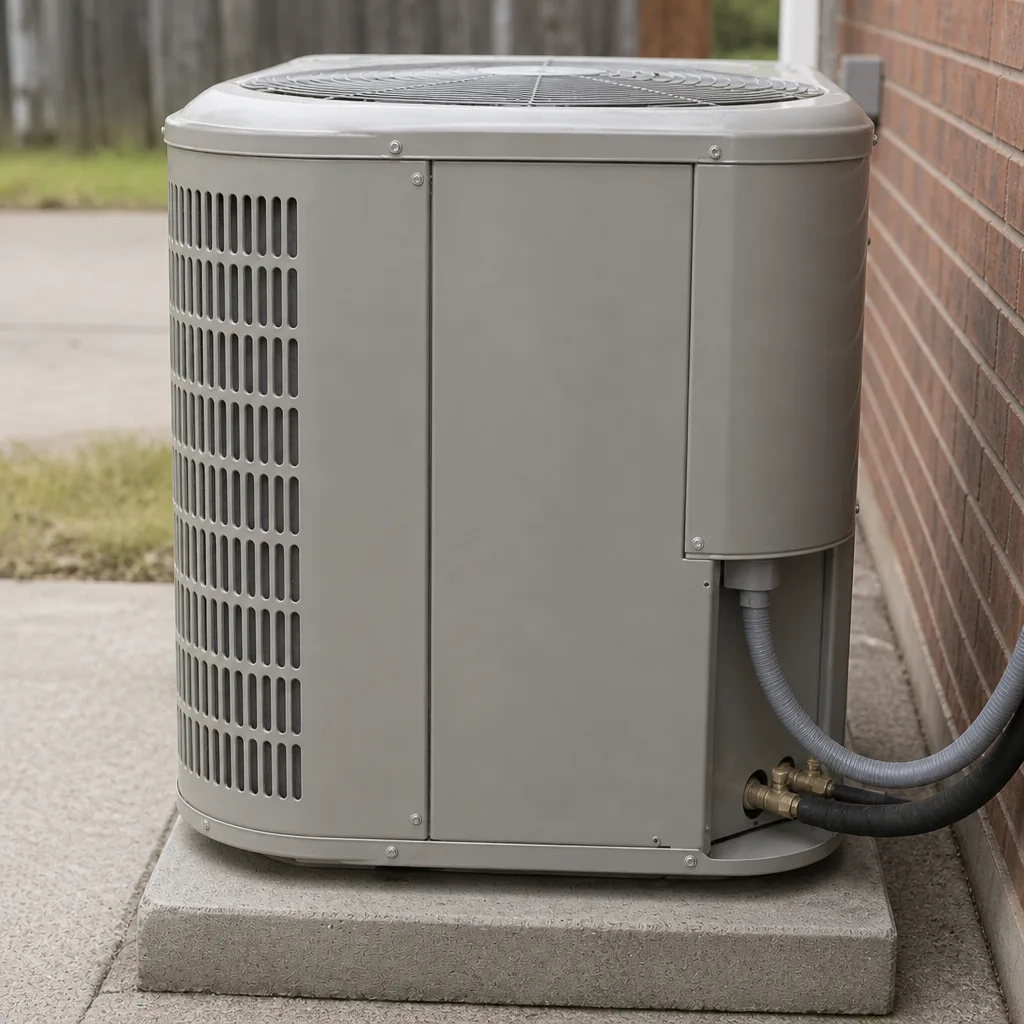
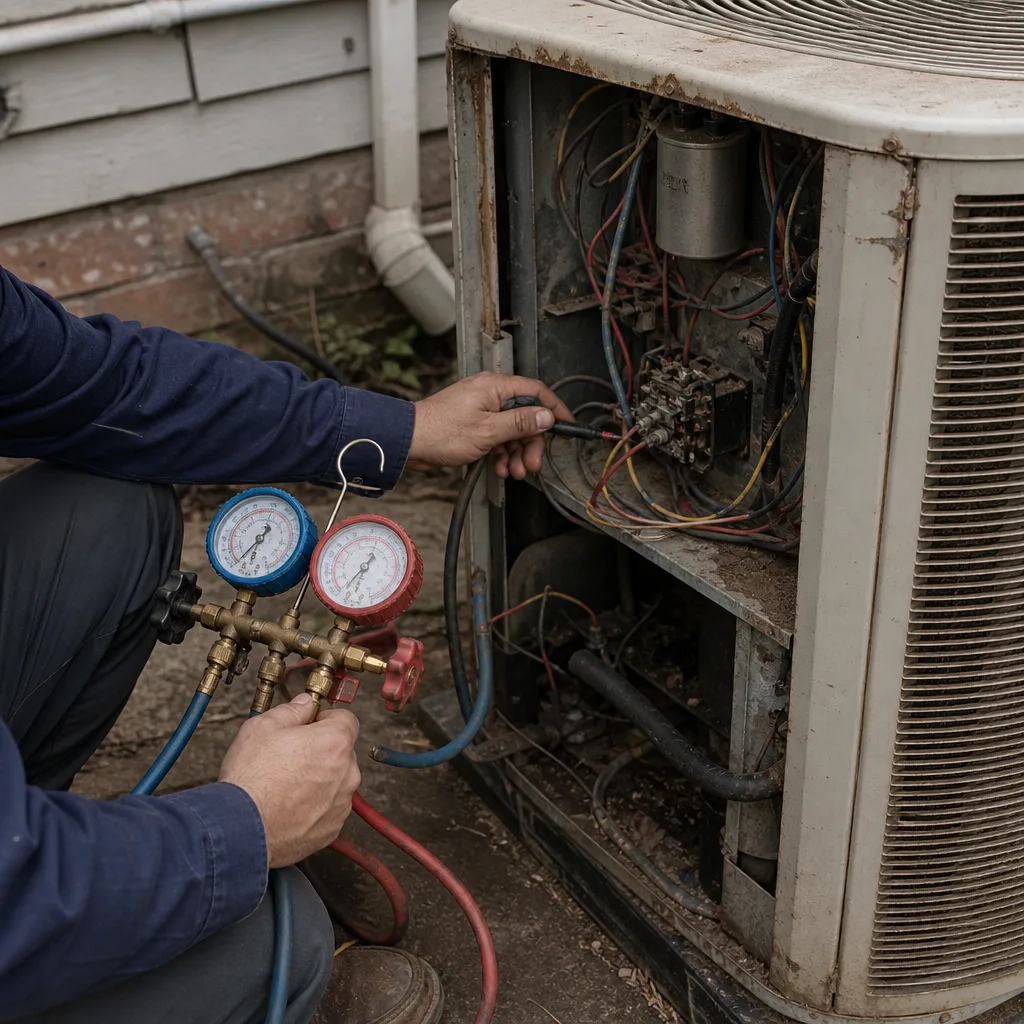
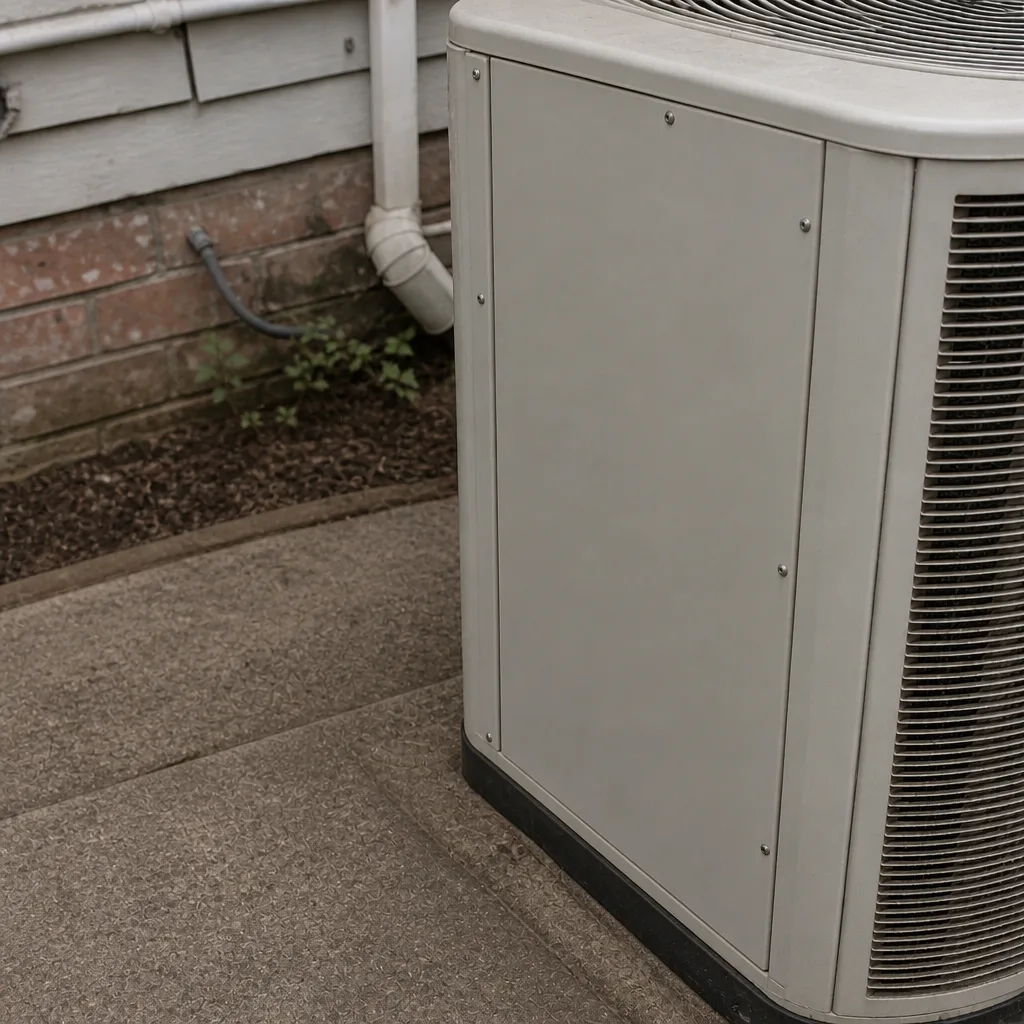
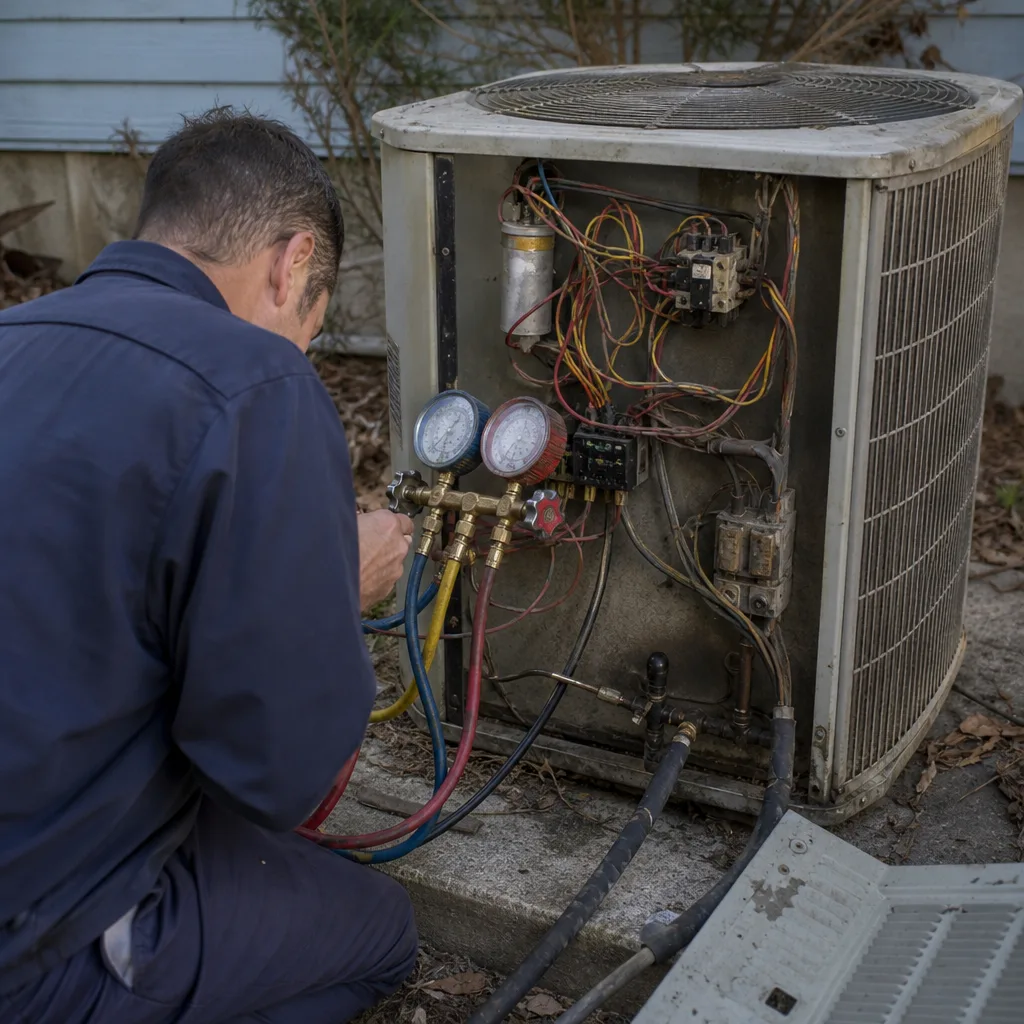
See the difference
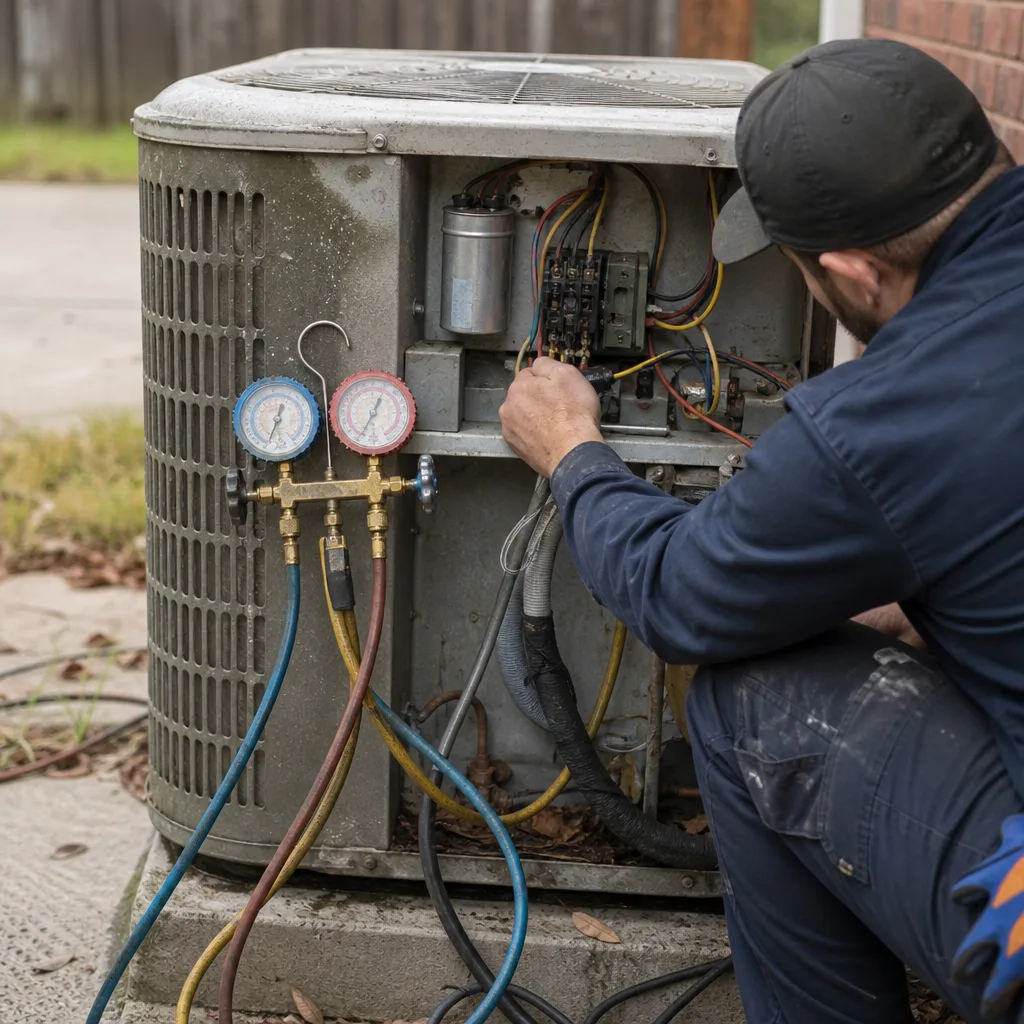 Before
 After
 Before
 After
 Before
 After
When to Call a Professional
Some HVAC problems are honestly homeowner-level: a clogged filter, a tripped breaker, a thermostat set wrong. When the problem goes beyond that, call a professional. That includes a system that won’t heat or cool at all, a furnace making unusual noises or failing to ignite, an AC unit that’s short-cycling or icing over, refrigerant or electrical issues, and any situation where you’re seeing signs of a failing component inside the equipment. Gas and electrical components are genuinely dangerous to work on without training, and we don’t recommend attempting them yourself.
Denali AC Repair offers free estimates in Arlington. Call (888) 604-8863. We answer 24/7. Fast dispatch from 7am to 7pm, Sunday through Friday. If you’d rather start with a repair quote, we’ll give you an honest read on whether repair or replacement is the better math. If it’s replacement, we’ll handle the load calculation and the permit.
Frequently Asked Questions
Ask for the license number in writing and look it up on the TDLR website. You’ll see the license status, the business name, and the expiration date. Confirm the business name matches your contract, then request a certificate of insurance separately.
Yes. HVAC replacements in Arlington typically require a permit and a final inspection, pulled through the city’s Development Services department. The contractor should pull the permit, not you, and the final payment should be tied to the inspection passing.
Ask them to name your system’s brand and model and describe their typical approach to it. A technician who’s worked on Rheem, York, or Goodman equipment regularly will speak concretely. One who only installs a single brand will answer vaguely or pivot to a replacement pitch.
Get both numbers in writing and ask for reasoning on each. If the repair is a large fraction of replacement cost on an older system, replacement usually wins. If the system has years left, repair usually wins. A contractor who gives you the honest math is the one to hire.
A written quote should include equipment model numbers, separate line items for equipment and labor, permit responsibility, warranty terms, and the total price. It should also state whether the price is “supplied and installed” or labor only, and it should reference a load calculation for any replacement.
Yes. Denali AC Repair covers furnace repair, furnace replacement, and AC installation, so both sides of your system stay with one team. We service Carrier, Trane, Lennox, Goodman, Rheem, York, Daikin, Bryant, and American Standard equipment. Call (888) 604-8863 for a free estimate.
The Bottom Line
Hiring an HVAC contractor in Arlington is mostly a filtering exercise, and the filters aren’t the ones most homeowners start with. Verify the TDLR license number in writing. Check permit history through Arlington Development Services to confirm the contractor actually works here. Read the quote line by line, watching for vague items and the supplied-and-installed distinction, and ask for the load calculation on any replacement. Then ask brand questions that reveal real experience, and structure payment so the final balance is tied to a passed inspection. Those steps take effort, and each one removes a category of risk. What remains is a contractor who does the work correctly, in your city, with numbers you can actually read.
Written by the team at Denali AC Repair.