
Last updated November 15, 2026
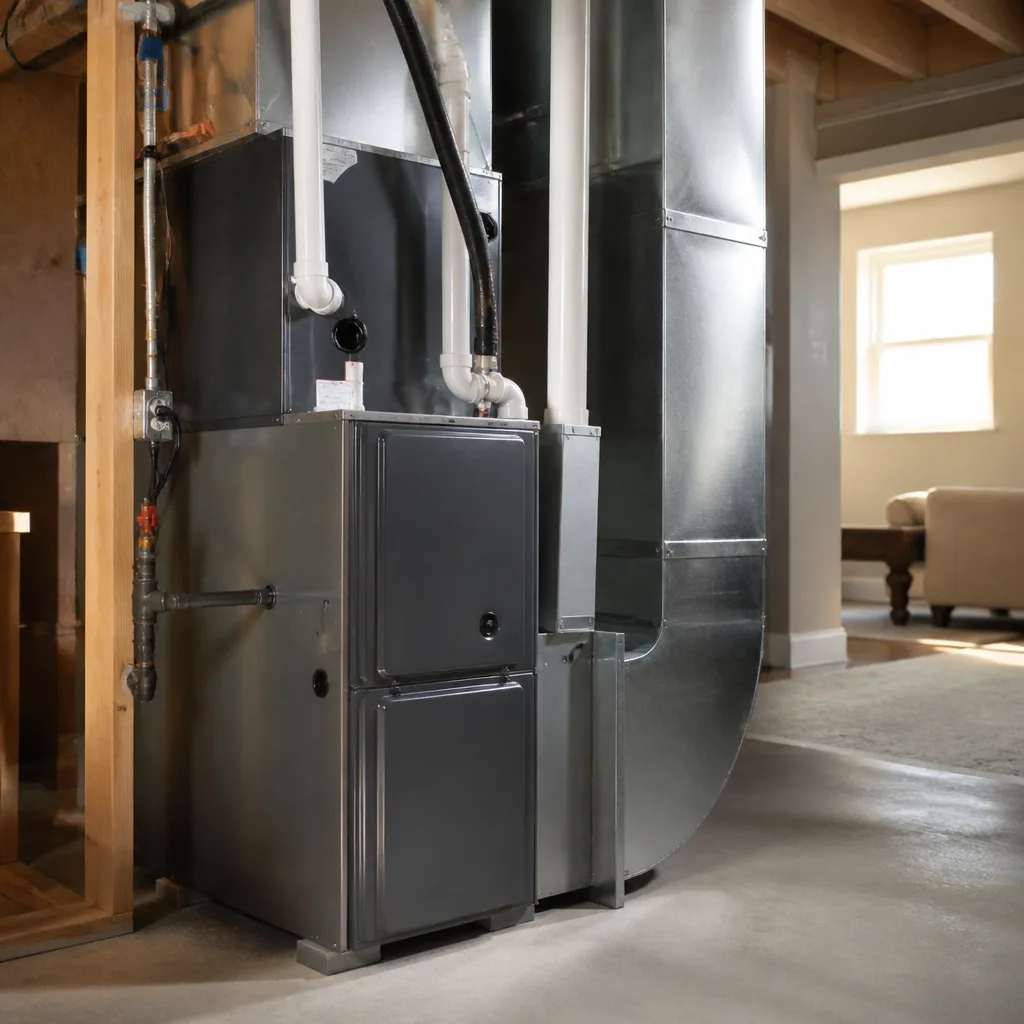 Furnace & heating
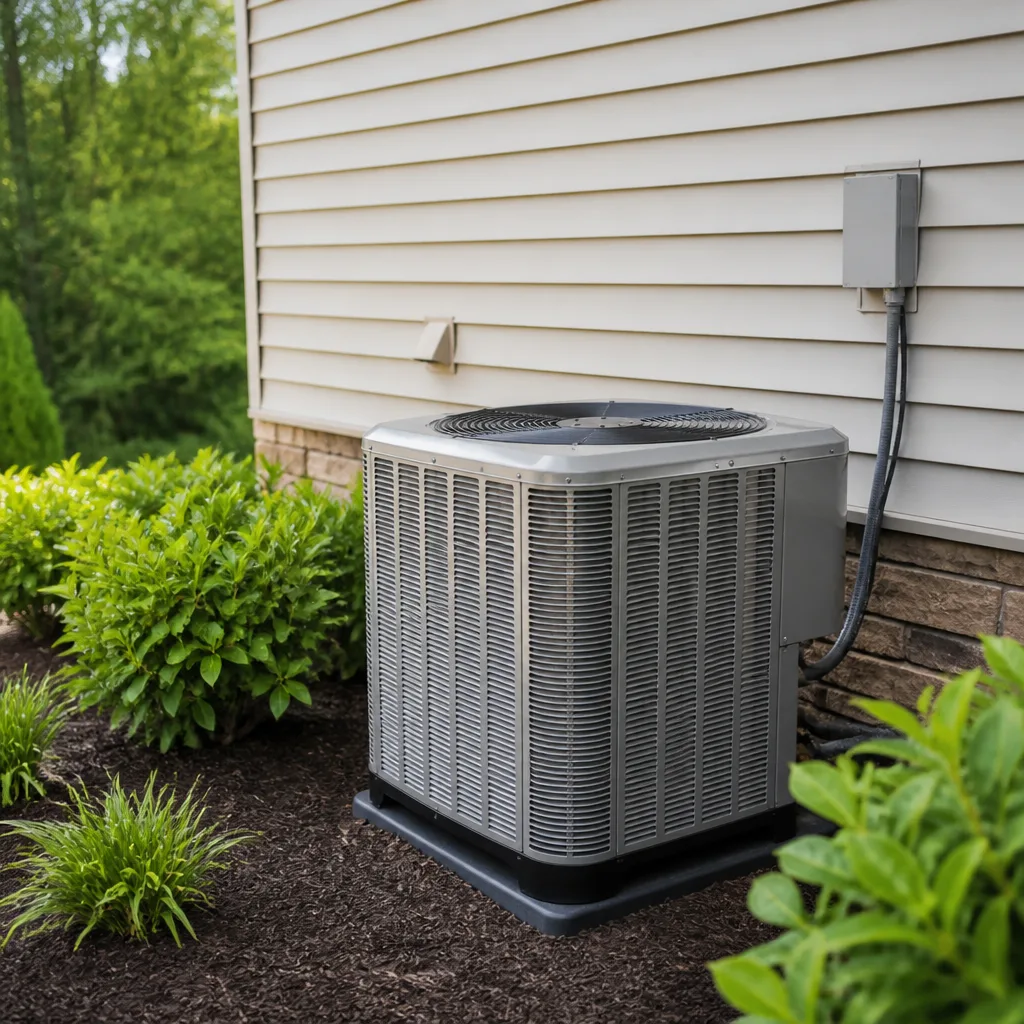 AC repair
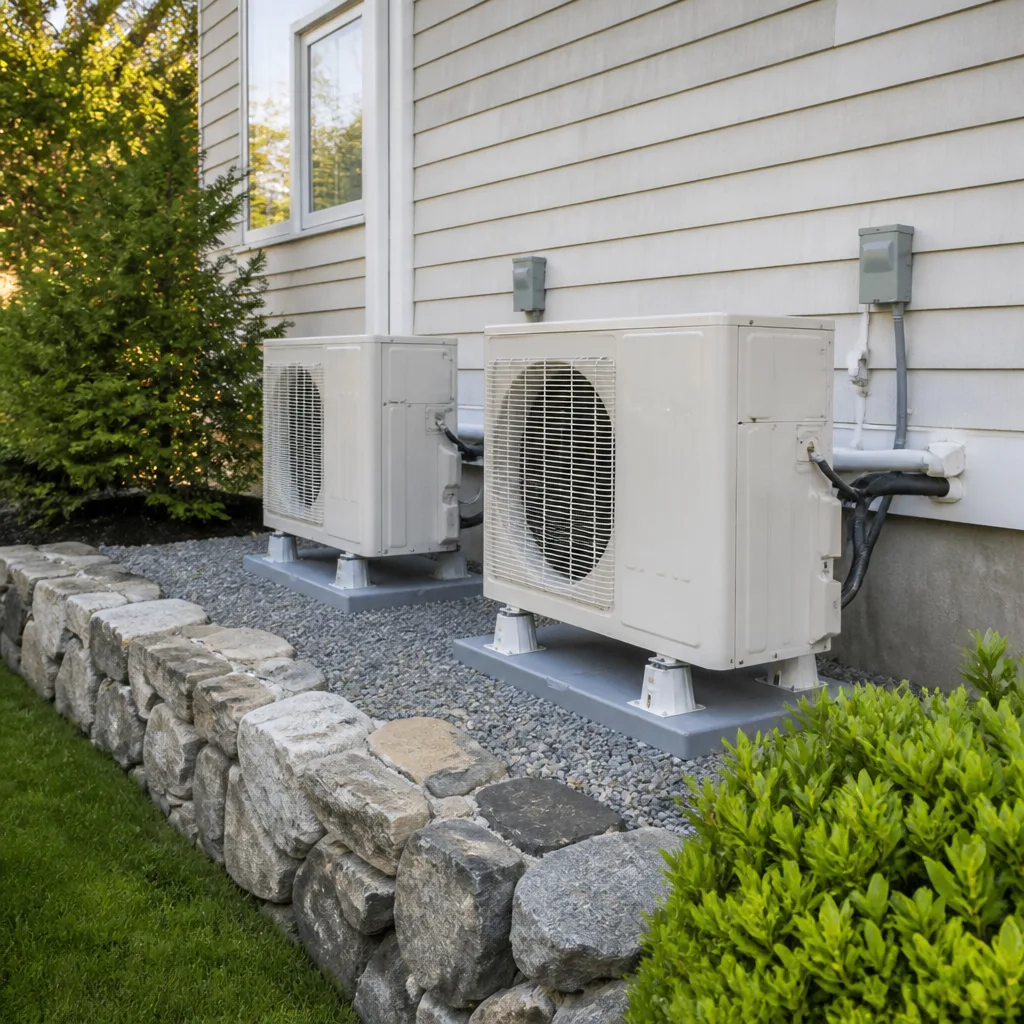 Heat pumps
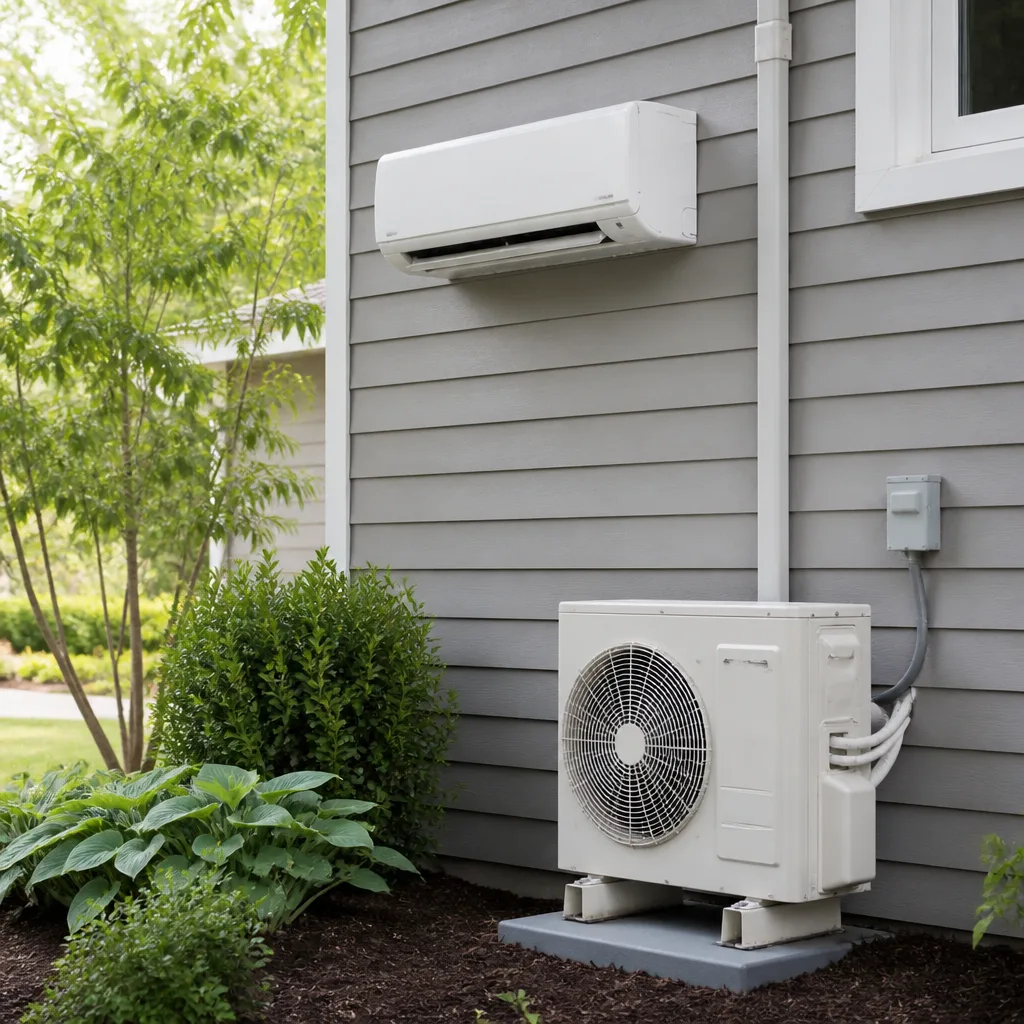 Ductless mini splits
 Carrier
 Trane
 Goodman
Seasonal tune-up and full diagnostic on your Carrier, Trane, or Goodman system - readings shown to you before any repair is proposed
Diagnosis first, numbers second - you approve the repair price before a single part goes in.
Get your free estimateFurnace Replacement Maintenance Checklist for Arlington Homeowners
Most furnace replacement checklists stop the moment the new unit fires up. That’s the wrong place to stop. In Arlington homes, the furnace swap is roughly 60% of the job. The other 40% is what happens to the ductwork, the flue, the return-air path, and the filtration system after installation, and that 40% decides whether your new furnace ever performs the way its rating promised. A high-efficiency furnace pushing conditioned air into aging, leaky ducts can lose a large share of its heat output before that air ever reaches a living space, and no efficiency rating on the box fixes poorly sealed delivery. In this guide we’ll walk through the pre-quote inspection you should demand, the commissioning steps many installers skip, and a 12-month post-replacement schedule built for how Arlington homes actually run.
Quick Answer
A furnace replacement maintenance checklist for Arlington homeowners should cover three phases: what to inspect and document before you accept any quote (duct condition, flue pathway, return-air sizing), what the installer must verify at commissioning (static pressure, airflow balance, heat rise), and what you schedule after the swap (a 30-day check, a 6-month check, and a full inspection before the first heating season). Skip any of those phases and the new furnace can underperform for its entire lifespan.
Styles & brands we work with
- AC repair
- Furnace & heating
- Heat pumps
- Ductless mini splits
- Carrier
- Trane
- Goodman
Table of Contents
- What to Inspect Before You Accept Any Furnace Replacement Quote
- Ductwork: The 40% of the Job Most Homeowners Never See
- Flue and Venting Changes When You Upgrade to 90%+ AFUE Equipment
- Return-Air Sizing and Why Your New Furnace May Expose an Old Problem
- The Commissioning Steps Most Contractors Skip
- The 12-Month Post-Replacement Schedule: 30 Days, 6 Months, First Heating Season
- Matching the Right System to Your Home, Not to a Dealer Incentive
What to Inspect Before You Accept Any Furnace Replacement Quote
The single biggest mistake Arlington homeowners make is treating a furnace replacement quote as a shopping decision between two or three boxes with different logos. The furnace itself is the easy part of the equation. The condition of the system around it is where the real money and the real performance live.
Before you sign anything, insist that whoever quotes the job actually looks at the following. A contractor who walks in, measures the closet, and hands you a price on a Rheem or a Bryant without inspecting the duct trunks and the return-air path is quoting a box, not a system.
- Duct condition and leakage. Visible separation at the joints, sagging flex runs, crushed sections behind drywall, and disconnected branches in the attic are all common in Arlington homes built decades ago. Any of those can bleed off a meaningful share of your furnace’s output before it reaches a room.
- Static pressure readings. If your existing system runs high static pressure, replacing the furnace without addressing the cause just hands the problem to a brand-new unit. Ask for a before-reading.
- Flue pathway and termination. Is the existing flue metal, lined, and clear? Does the route work for a condensing unit, or does it need to change? See the flue section below for why this matters so much on an upgrade.
- Return-air grille and duct sizing. Count the returns and note their size. A furnace with a higher airflow requirement than the old unit can expose a return that was always too small.
- Filter system and cabinet. A thin fiberglass slot the size of a paperback book will strangle a modern furnace. Ask what filter the new system is designed to accept and whether the cabinet supports it.
- Electrical and gas supply. Amp draw, breaker size, and gas line sizing all need to be part of the written quote, not an afterthought discovered on installation day.
- Clearances and closet dimensions. A 90%+ AFUE condensing furnace needs different clearances and a condensate drain path than an 80% unit. Confirm the space can actually accept the equipment being quoted.
Get all seven items documented in writing or on the quote sheet. If a contractor can’t produce them, you don’t have a quote, you have an estimate on a box. When you’re ready to compare systems, our team at Denali AC Repair will walk the same seven items before recommending anything.
Ductwork: The 40% of the Job Most Homeowners Never See
Your new furnace doesn’t heat your home. Your ducts do. The furnace heats the air; the duct system delivers it. Any leak, restriction, or imbalance in that delivery path is a tax on every cubic foot of air the furnace produces for the life of the equipment.
In Arlington homes, the most common duct problems we see fall into a few categories. Attic flex duct that has been sagging or kinked since installation. Trunk lines that were sized for a smaller furnace and never updated. Branches that have pulled loose from collars or boots. Returns that were undersized from day one and always have been. None of these will show up on an efficiency rating sheet, and none of them are fixed by buying a better furnace.
What to ask about ductwork before agreeing to any quote
- Will you measure leakage or static pressure before and after the swap?
- Are the trunk and branch sizes still appropriate for the CFM (cubic feet per minute of airflow) of the new furnace?
- Are there any disconnected or crushed runs, and how will they be repaired?
- Will the return-air path be verified against the new equipment’s requirements?
- Is the filter cabinet large enough to handle the filter the system is designed for?
- If you find leakage, will the repair be part of this job or a separate line item?
We’ve walked into plenty of Arlington homes where the previous installer dropped a 90%+ furnace into a duct system sized for an 80% unit from the 1990s, sealed nothing, and called it done. The homeowner saw a higher efficiency number on paper and lower comfort in the back bedroom. The good news: duct repair and sealing is often modest work relative to the furnace swap, and doing it at the same time saves you a second round of attic access later.
Treat duct condition as a hard gate on the replacement decision. If the ducts are bad, either fix them during the swap or write them into the budget as a follow-up within the year. And if you need the furnace repaired while you sort out the replacement plan, our furnace repair team can help you keep heat in the house in the meantime.
Flue and Venting Changes When You Upgrade to 90%+ AFUE Equipment
Here’s a change that catches a lot of Arlington homeowners by surprise: moving from an 80% atmospheric-vent furnace to a 90%+ condensing furnace changes your venting, sometimes significantly. The two systems vent differently, and the old flue path doesn’t automatically work for the new one.
An 80% furnace uses a metal flue and vents combustion gases by natural draft. A 90%+ condensing furnace pulls its own combustion air and vents through a PVC pipe, typically out a side wall or up through the roof. That means the new installation needs new venting material, a different termination location, and a condensate drain path, because condensing furnaces produce liquid water as a byproduct of combustion.
What changes and what to verify
- New vent material. PVC or CPVC pipe replaces the metal flue for a condensing unit. The old flue is either abandoned or repurposed, never reused for a condensing system.
- New termination location. Side-wall venting is common in Arlington, but the termination has to meet clearance requirements from windows, doors, and intakes. The installer has to verify those clearances on your specific exterior wall.
- Condensate management. Condensing furnaces produce water that must drain somewhere. Confirm where the drain goes and whether a neutralizer is needed based on local requirements.
- Combustion air supply. Direct-vent condensing units pull outside air, which often simplifies closet ventilation. Atmospheric units depend on indoor air, which can be a code question in a tight closet.
- Permits and inspection. Furnace replacement typically requires a permit in Arlington. The permit and inspection are part of the job, and venting is one thing inspectors look at closely. Confirm in writing who pulls the permit.
This is one of the reasons upgrading efficiency isn’t a straight swap. The equipment is better, but the system around it changes, and the venting is where a rushed installation is most likely to create a real safety or code issue. Every condensing furnace has to handle its own venting correctly, brand aside, whether that’s a Daikin, a York, or a Bryant. We check this on every replacement quote so there are no surprises on installation day.
Return-Air Sizing and Why Your New Furnace May Expose an Old Problem
Return air is the half of your duct system that nobody thinks about, and it’s the half most likely to sabotage a new furnace. The furnace has to pull air in before it can push air out, and if the return path can’t supply enough, the whole system runs starved.
Here’s the mechanism. A shrinking return doesn’t announce itself. It just makes the blower work harder, raises static pressure, and drives down delivered airflow. The old furnace may have masked this for years because it moved less air in the first place. A new furnace with a higher airflow requirement (measured in CFM) has to move more air, and if the return can’t keep up, you get a system that runs hot, short-cycles, and never quite satisfies the thermostat.
Signs of an undersized return in an Arlington home
- Whistling or rushing noise at the return grille when the blower runs
- Weak airflow at supply registers far from the furnace
- A filter that loads up unusually fast because it’s doing too much work
- Higher-than-expected static pressure at commissioning, even with clean filter and clear ducts
- Long runtimes that don’t translate to consistent room temperatures
- A furnace that trips its high-limit switch during longer heating cycles
When a return is undersized, the fix is rarely glamorous. Sometimes it’s a bigger return grille. Sometimes it’s an additional return pulled from a common area. Sometimes it’s a filter cabinet upgrade that lets the system breathe through a larger filter surface area instead of a restrictive one-inch slot. In every case, the time to plan it is before you buy the furnace, not after.
Filter size and the airflow trap
The filter itself is part of the airflow equation. A modern furnace with a fixed CFM requirement doesn’t care that your filter slot is the size of a paperback. It needs air. If your filter cabinet is a small one-inch slot, upgrading to a four- or five-inch media cabinet during the replacement is often the cleanest way to solve the problem while the equipment is already out of the closet. Every filter system you choose trades filtration against airflow resistance, so match the cabinet to the furnace, not just to the filter you can find on sale.
The Commissioning Steps Most Contractors Skip
Commissioning is the difference between “the furnace runs” and “the furnace runs correctly.” Most replacement quotes in Arlington homes don’t list commissioning as a step, which means it doesn’t happen. Ask for all three of these checks and get the readings on paper.
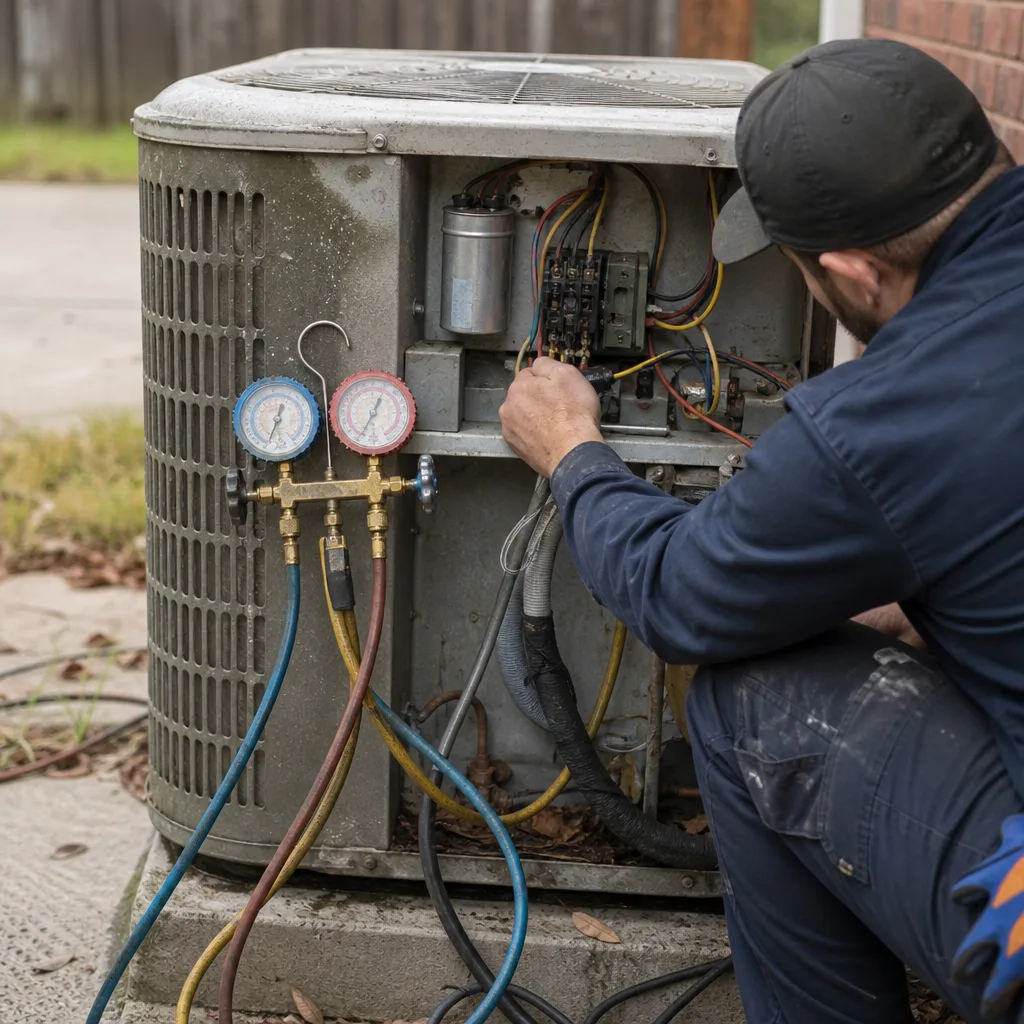
- Static pressure testing. Measure total external static pressure with a manometer, before and after the swap. Compare against the manufacturer’s allowable range for the new furnace at its set airflow. A reading outside the range means the duct system is choking the furnace and something has to change.
- Airflow verification and balancing. Confirm the blower is set to the correct airflow for the equipment and the home. Balance supply registers so that rooms near the furnace don’t get blasted and distant rooms don’t starve. Balancing is often as simple as adjusting dampers and grille fins.
- Heat rise verification. Measure the temperature rise across the heat exchanger and compare against the manufacturer’s specified range. A rise too low means airflow is too high relative to the fuel input. A rise too high means airflow is too low, and it can stress the heat exchanger. Either extreme is a red flag on installation day.
Add a combustion analysis on any fuel-burning appliance and you’ve covered the full picture. These aren’t optional extra steps we like to add to look thorough. They’re the checks that tell you the furnace is operating inside its engineered envelope instead of just producing heat until something wears out early.
At Denali, our technicians have up to 10 years of experience across the equipment we work on, and every brand has its own commissioning spec sheet. A Rheem may want a particular heat rise range; a Bryant may want a different one. Getting those numbers right on installation day is worth far more than any spec-sheet efficiency rating.
The 12-Month Post-Replacement Schedule: 30 Days, 6 Months, First Heating Season
A new furnace is not a maintenance-free furnace. It’s a system that needs to be watched through its first full year, because that’s when installation issues surface if they’re going to. The 12-month schedule below is what we recommend to every Arlington homeowner after a replacement.
30-day checkpoint
- Replace or clean the filter (installation dust loads it quickly).
- Confirm no water pooling or drainage issue from a condensing unit’s condensate path.
- Re-verify static pressure and check that filter loading isn’t outrunning expectations.
- Listen for new noises and confirm the flame or igniter sequence looks right.
- Check that all supply registers still deliver air balanced at commissioning.
6-month checkpoint
- Change the filter again on schedule for the new cabinet size.
- Inspect the flue or venting for looseness, blockage, or insect intrusion at the termination.
- Check condensate trap and drain for buildup, common in warmer weather.
- Verify blower wheel cleanliness and belt condition if applicable.
- Re-run static pressure as a sanity check against the commissioning numbers.
First full heating season
- Full inspection: burners, heat exchanger, blower, and ignition system.
- Combustion analysis again, compared against commissioning-day readings.
- Heat rise verification, confirmed against the manufacturer’s range.
- Duct leakage re-check, especially if any new connections were made during the swap.
- Filter schedule review for the coming year based on actual loading rate.
Two things this schedule protects against. First, installation problems that only show up after a few months of runtime (a loose duct, a slow condensate clog, a filter cabinet that’s undersized for real-world loading). Second, the premature wear that comes from a system running outside its engineered envelope for a full season. Catching either at the 30-day mark is cheap. Catching it at year three is not.
Matching the Right System to Your Home, Not to a Dealer Incentive
Brand matters less than fit. We say that as a team that works on Carrier, Trane, Lennox, Goodman, Rheem, York, Daikin, Bryant, and American Standard. All nine are capable manufacturers, and any of them can be the right choice for a specific Arlington home. The wrong choice is whichever one the contractor is contractually rewarded to move.
Here’s what actually determines the right furnace for your house:
- Load calculation. The furnace has to be sized for the home, not for the old unit’s nameplate. Oversizing causes short cycling and comfort problems in every brand.
- Duct capacity. The system has to match the ducts you have, or the ducts have to be brought up to the system. We covered that in the ductwork section above.
- Efficiency target. Whether you’re comparing 80% atmospheric equipment or 90%+ condensing equipment, both have a place in the right home, and the choice affects venting, condensate, and initial cost.
- Long-term service simplicity. Parts availability and technician familiarity matter over the life of the system. That’s one reason we work across multiple brands rather than pushing a single line.
- Budget and expected payback. Some homes benefit immediately from a higher efficiency unit. Others get more value by spending the same money on duct repair and a better filter system. See the honest math on AC installation if you’re also looking at the cooling side of the same upgrade.
If you’re in Arlington and comparing replacement options, or you want a second opinion on a quote you’ve already received, the fastest way to sort it out is to talk to someone who works on all nine brands and doesn’t answer to any of them. That’s the recommendation model we run on at Denali, and it’s why our customers get options rather than a default upsell.
Common Mistakes to Avoid
- Buying a furnace without inspecting the ducts. The most expensive thing you can do in an Arlington furnace replacement is install new equipment into old, leaky ducts and never address the ductwork. That’s how a 90%+ furnace underperforms its rating from day one.
- Skipping static pressure and heat rise readings. If the installer doesn’t document them, you have no way of knowing whether the furnace is running inside its engineered envelope. Get the numbers on paper.
- Assuming the old flue path still works. Moving from 80% to 90%+ changes venting from metal to PVC or CPVC, adds a condensate drain, and needs a new termination. Ask specifically how the venting changes on your house.
- Ignoring the return-air path. A return that was undersized for the old furnace is more undersized for the new one. Confirm that the return grilles and filter cabinet support the new furnace’s CFM requirement.
- Keeping the small filter slot. A one-inch fiberglass slot compromises airflow on almost any modern furnace. If you’re already doing the replacement, upgrade the filter cabinet at the same time.
- Skipping the 30-day and 6-month checkpoints. The first heating season is when installation issues surface. Waiting until “something goes wrong” before scheduling the first check misses that window.
- Choosing the brand before choosing the fit. Picking a furnace brand before you know your home’s load, duct capacity, and venting path is backwards. The right brand is whichever one matches those facts.
See the difference
 Before
 After
 Before
 After
 Before
 After
When to Call a Professional
Some of this work is diagnostic, not DIY. A condensing furnace produces combustion gases and condensate, and the flue pathway, gas supply, and electrical connections are not places to learn on the job. If you’re seeing exhaust smell, a yellow or flickering flame, a rusty or sooted heat exchanger, a blower that sounds wrong, or a furnace that trips its high-limit switch repeatedly, that’s an immediate call, not a weekend project. Safety first on any fuel-burning appliance. If you’re simply comparing replacement quotes and want an independent read on what’s being proposed, that’s also a call, and it’s a free estimate. Denali AC Repair offers free estimates in Arlington – call (888) 604-8863. We answer 24/7, with fast dispatch from 7am to 7pm, Sunday through Friday.
Frequently Asked Questions
Cost depends on equipment size, efficiency tier, venting changes, and how much ductwork needs to be addressed alongside the swap. An 80% replacement in a straightforward installation usually costs less than a 90%+ condensing upgrade that requires new venting and a condensate path. The written estimate sets the final price. Call (888) 604-8863 for a free estimate tailored to your home.
In most Texas cities, replacing a fuel-burning appliance requires a permit, and Arlington follows that pattern. Ask your contractor in writing whether the permit is included in the quote and whether the inspection is part of the job. A quote that skips the permit is a quote that pushes the risk onto you. For an exact read on your specific project, call (888) 604-8863.
The venting system changes from metal flue to PVC or CPVC (condensing furnaces pull their own combustion air and vent separately), you gain a condensate drain path because combustion produces liquid water, and the termination location may need to move to a side wall or different spot on the roof. That’s the biggest hidden cost in most efficiency upgrades. Call (888) 604-8863 and we’ll walk your specific venting path before you commit.
A properly installed and maintained furnace typically runs for many years of service, well past the point where the warranty expires. The two biggest variables in that lifespan are installation quality (commissioning, airflow, venting) and how consistently you keep up with filter changes and the 12-month schedule in this guide. Call (888) 604-8863 to schedule your first post-installation check.
Yes, and it happens often. A modern furnace with a higher CFM requirement can reveal an undersized return or a leaking trunk that the previous system masked because it moved less air. The fix is usually duct repair or return additions during or shortly after installation. Call (888) 604-8863 and we’ll test static pressure before the swap so nothing gets exposed after.
We work across Arlington, from established neighborhoods near the entertainment district to newer construction on the city’s west side. The checklist in this guide is the same everywhere in Arlington, but the specific duct condition, flue path, and furnace closet dimensions vary by home age and layout. Call (888) 604-8863 to book a free estimate for your address.
The Bottom Line
The furnace is 60% of the job. The ducts, flue, and return-air path are the other 40%, and that 40% is what decides whether the equipment you paid for performs the way it was rated. Before you accept any replacement quote, demand a duct inspection, static pressure readings, venting plan, and return-air sizing. At commissioning, get static pressure, airflow balance, and heat rise documented in writing. After the swap, follow the 30-day, 6-month, and first-heating-season checkpoints. That’s the checklist that turns a new furnace into a system that actually heats an Arlington home. If you’re ready to compare options or want an honest read on a quote you’ve already got, our team at Arlington is one call away.
Ready to move forward? Call (888) 604-8863 for a free estimate. We answer 24/7. Fast dispatch from 7am to 7pm, Sunday through Friday. We work on your brand, and we’ll tell you the honest math on repair or replace.
Written by the team at Denali AC Repair.