
Last updated November 15, 2026
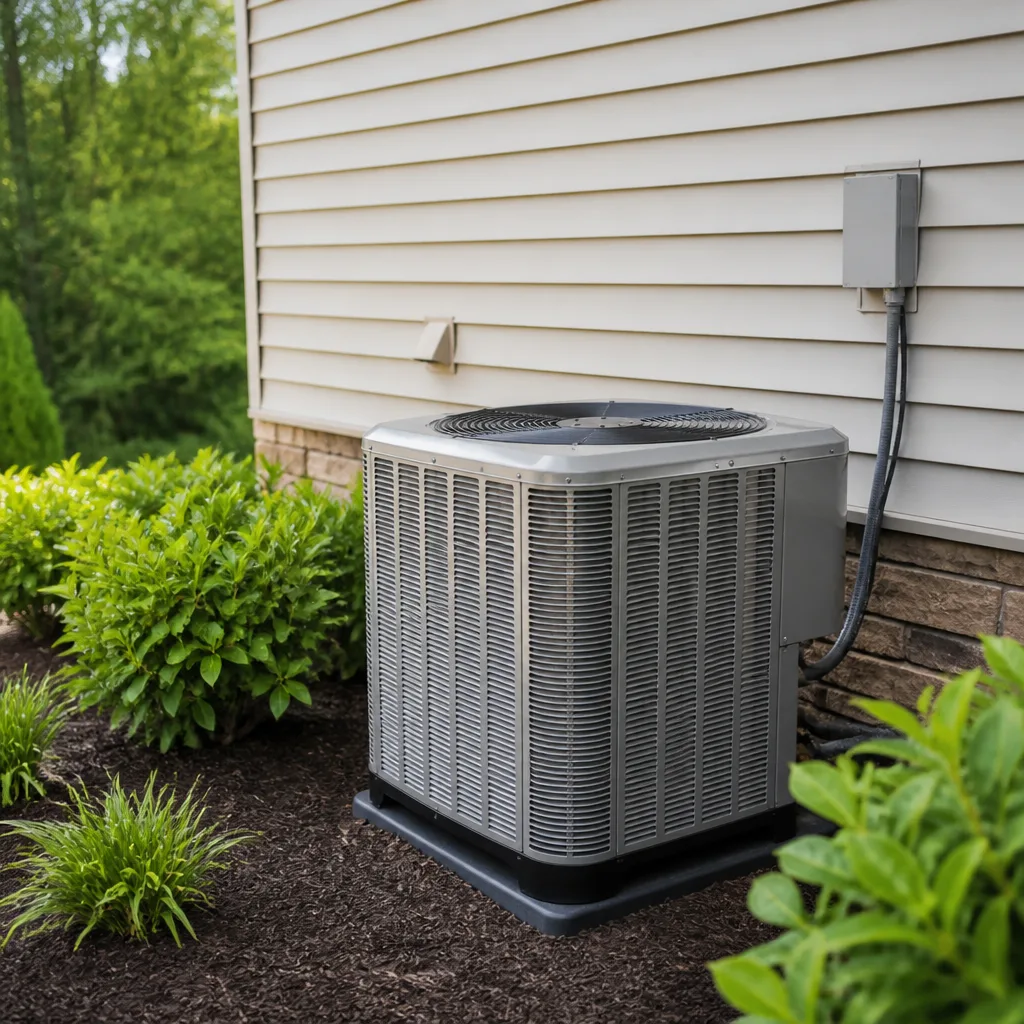 AC repair
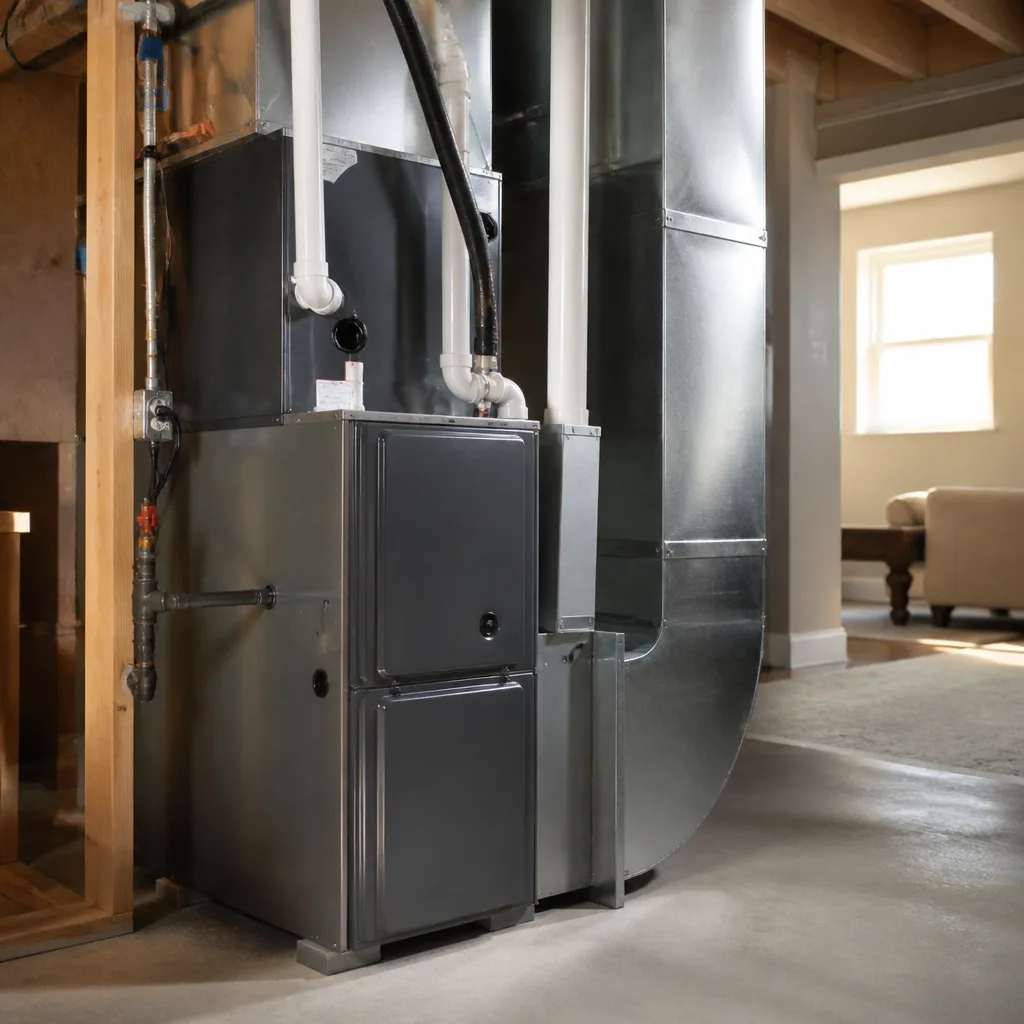 Furnace & heating
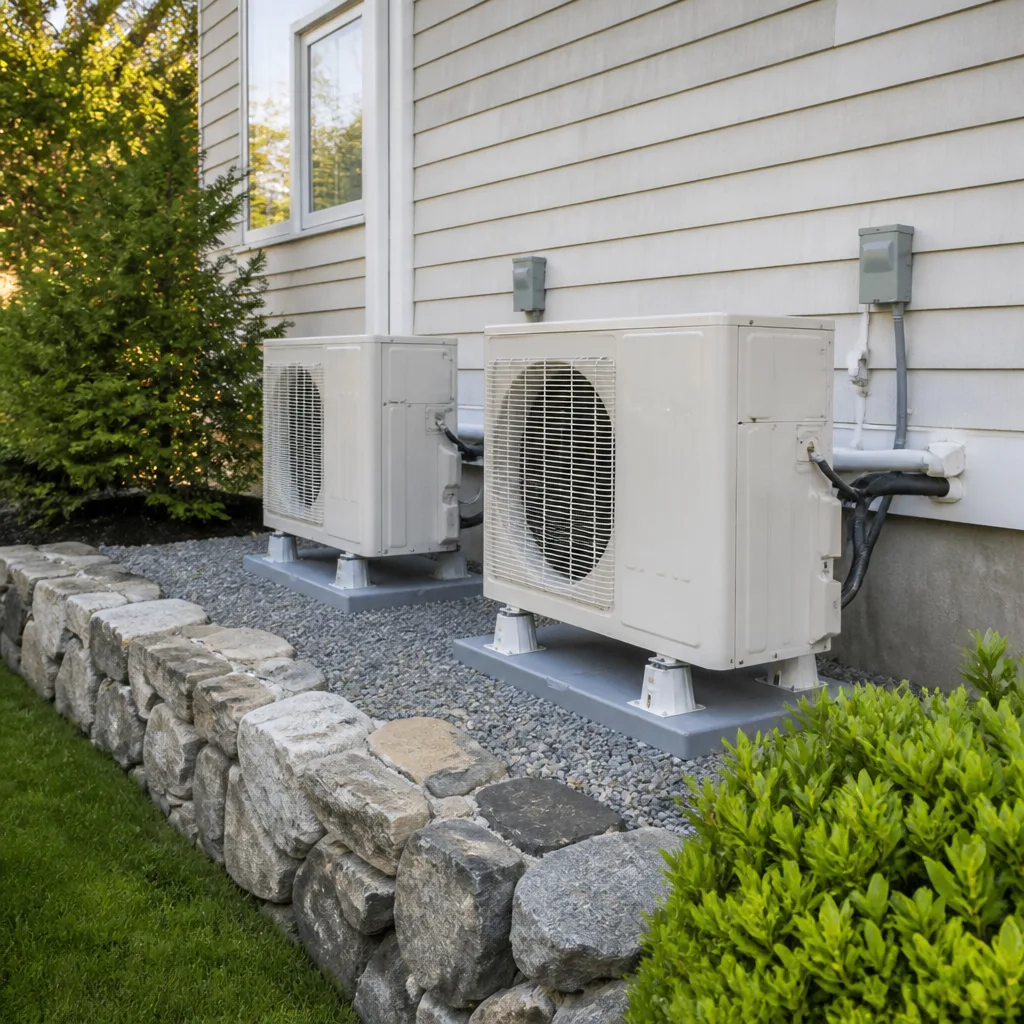 Heat pumps
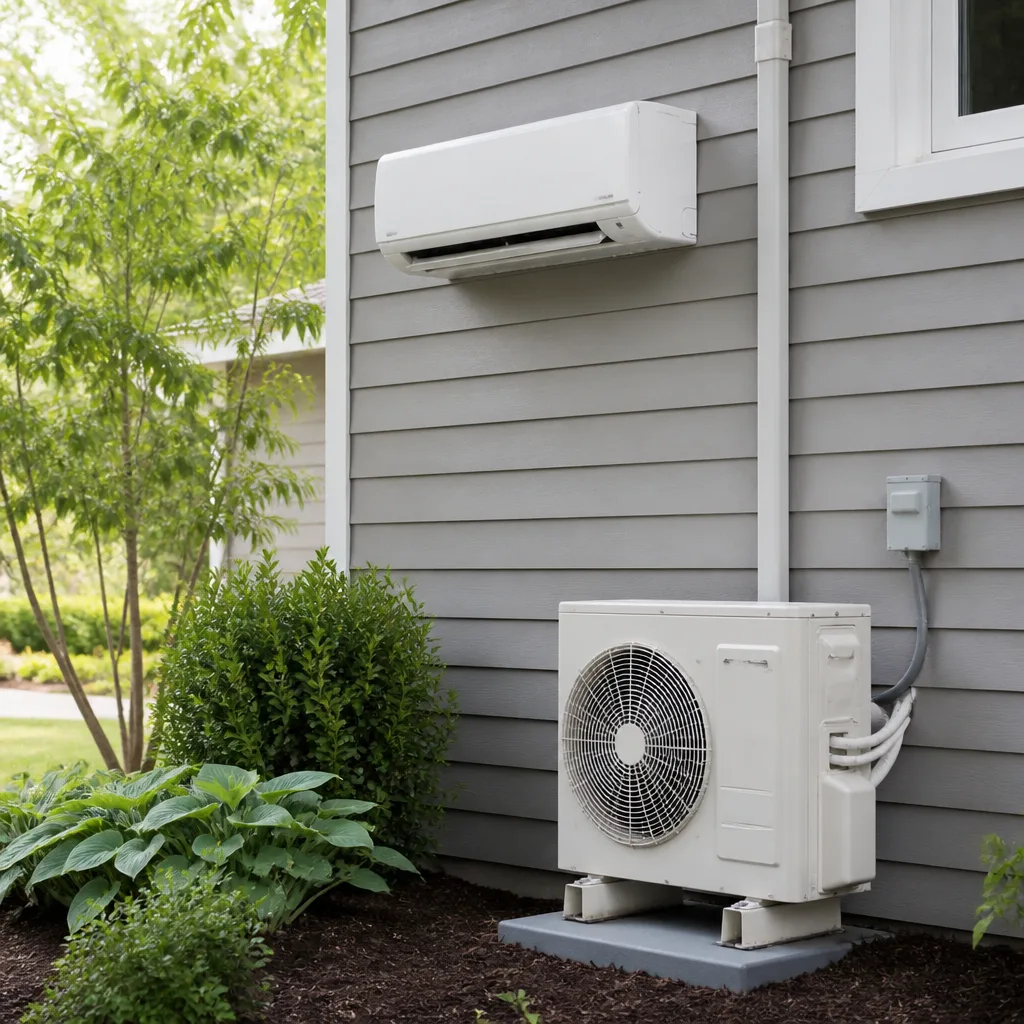 Ductless mini splits
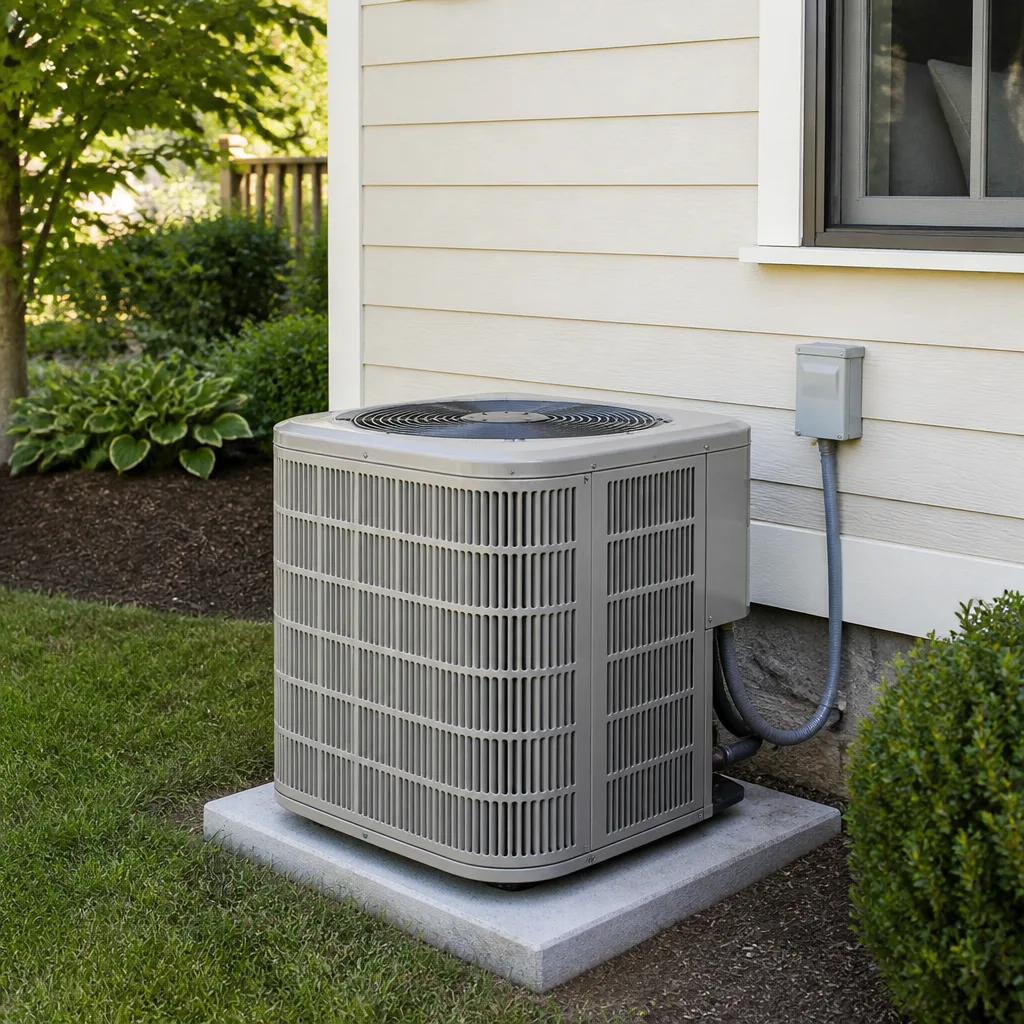 Carrier
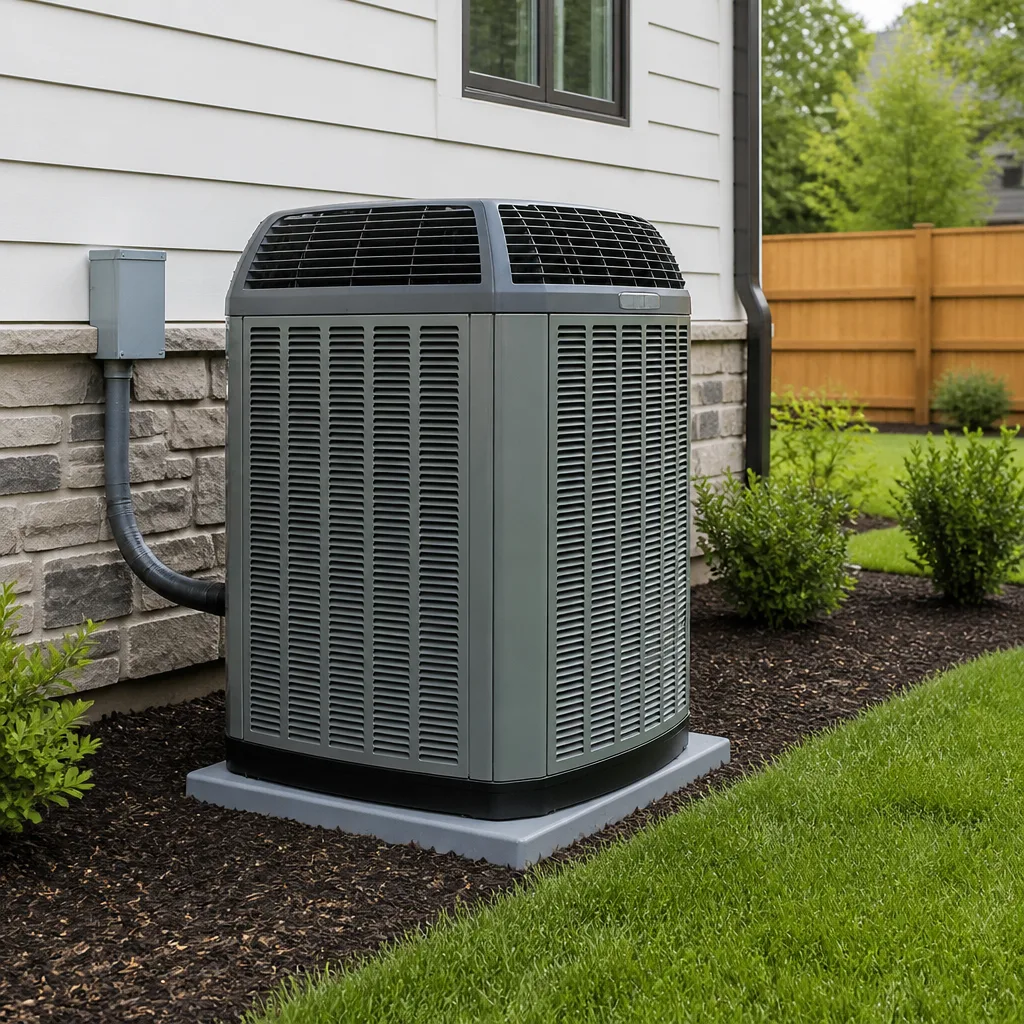 Trane
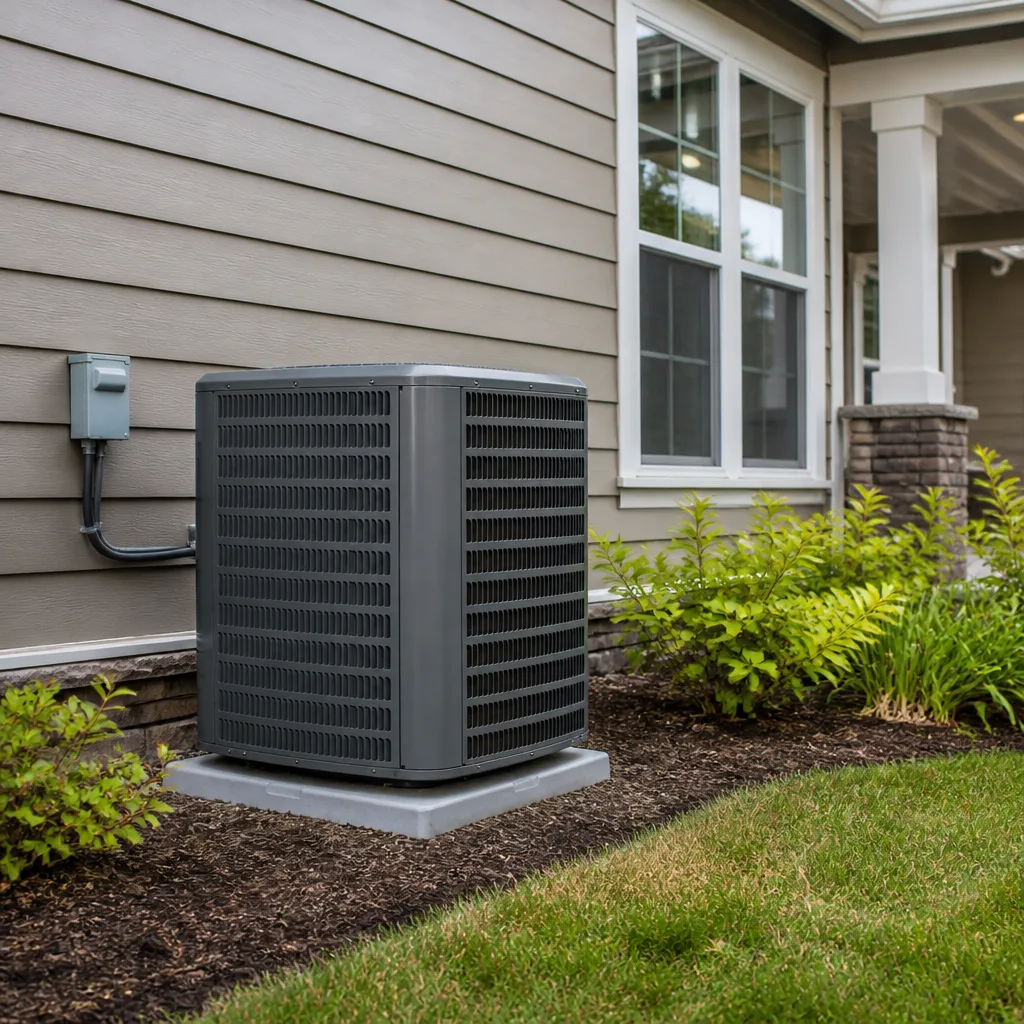 Goodman
Seasonal tune-up and full diagnostic on your Carrier, Trane, or Goodman system - readings shown to you before any repair is proposed
Diagnosis first, numbers second - you approve the repair price before a single part goes in.
Get your free estimateDIY vs Professional HVAC: The Arlington Homeowner’s Decision Guide
Most discussions about DIY HVAC work in Texas start with money, and most of them stop there too. That’s the wrong frame. The real question isn’t whether you can afford to watch a repair video and follow along. It’s whether the work you’re about to do is legal for an unlicensed homeowner in the first place, and what happens to your homeowner’s insurance if it isn’t. Texas law puts a firm line between what you can touch and what requires a licensed contractor, and that line sits closer than most YouTube tutorials admit. This guide walks through where the legal boundary is, which tasks are genuinely worth doing yourself, which ones create liability you don’t want, and how to prep your home so professional service in Arlington costs less and moves faster.
Quick Answer
In Arlington, you can legally handle low-risk tasks like changing filters, replacing a thermostat, clearing a condensate drain, straightening coil fins, and cleaning the outdoor unit. You cannot legally handle refrigerant, pull HVAC permits, or make certain electrical connections without a licensed contractor, and doing so can void insurance coverage on a related claim. The honest rule of thumb: anything involving refrigerant or the sealed system is professional work, and everything else is your call.
Styles & brands we work with
- AC repair
- Furnace & heating
- Heat pumps
- Ductless mini splits
- Carrier
- Trane
- Goodman
Table of Contents
- Where Texas Draws the Line on DIY HVAC Work
- The DIY Tasks That Are Actually Worth Your Time
- Why Refrigerant Work Is Both Regulated and Practically Difficult
- Permits, Disposal, and the Paper Trail You Need
- What Your Insurance Company Sees After a DIY Repair
- How to Be an Intelligent DIY-Adjacent Homeowner
- Why Arlington Homes Ask a Lot of Their HVAC Systems
- Common Mistakes to Avoid
- When to Call a Professional
Where Texas Draws the Line on DIY HVAC Work
Texas licenses air conditioning and refrigeration contractors through the Texas Department of Licensing and Regulation, known as TDLR. The licensing requirement isn’t a formality designed to protect contractor revenue. It exists because air conditioning work involves pressurized refrigerant, electrical connections, and combustion systems, and mistakes in any of those areas create real safety exposure. The key distinction for homeowners is between regulated work (which requires a licensed contractor) and routine maintenance (which doesn’t). Local code enforcement in Arlington applies the same principle: work that’s covered by a permit needs a licensed professional on the record.
Here’s the practical breakdown of what the line looks like:
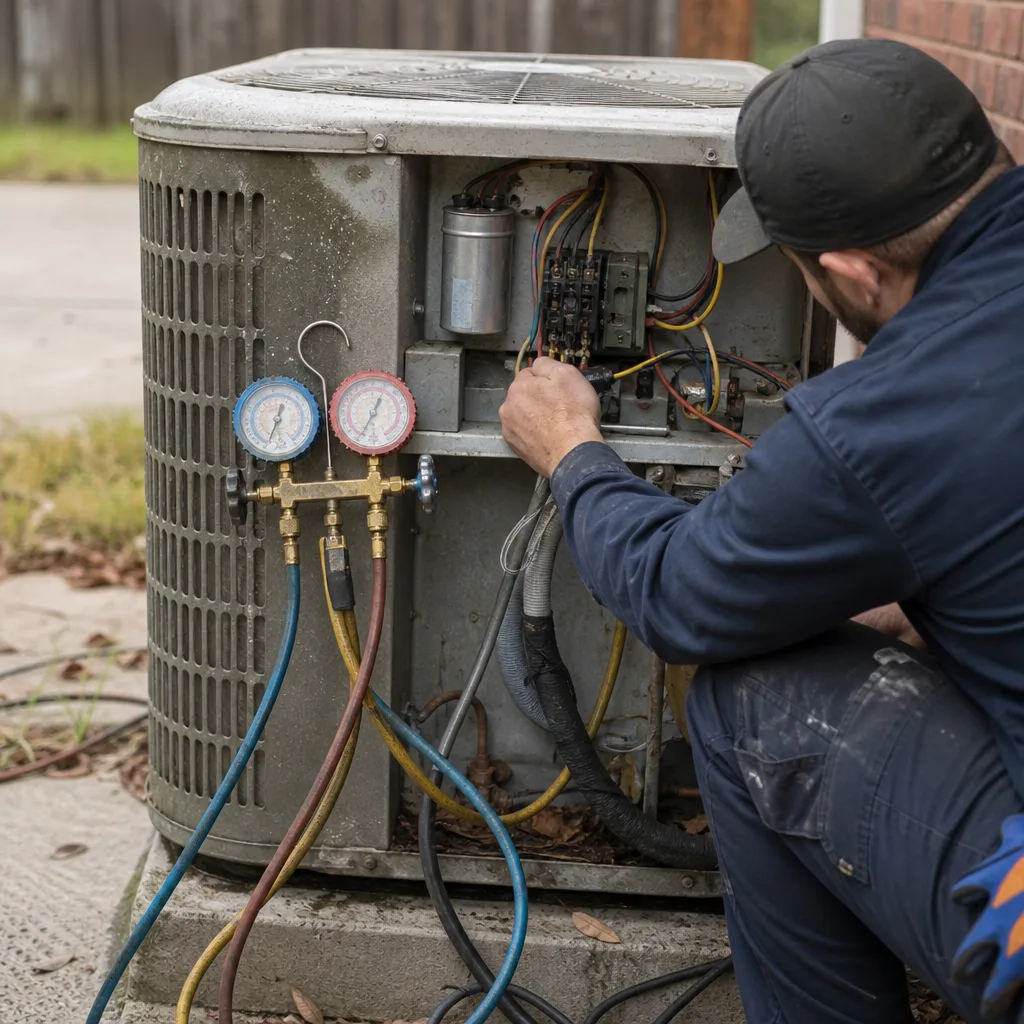
- Requires a licensed contractor: Any work on the refrigerant circuit, including adding or recovering refrigerant, replacing a compressor, repairing a coil leak, or brazing line sets. Also: connecting the indoor unit to the electrical panel, gas connections for a furnace, and pulling permits for a system replacement.
- Does not require a licensed contractor: Filter changes, thermostat replacement (low-voltage wiring only), condensate drain clearing, cleaning the outdoor condenser coil, straightening bent fins with a fin comb, and general dust and debris removal around the equipment.
- Grey area: Simple electrical work like replacing a disconnect switch or a capacitor, or connecting a new thermostat’s power wire. Most homeowners can physically do these, but if anything goes wrong, the insurance and code questions get uncomfortable.
If you’re ever unsure which side of the line a repair falls on, that uncertainty is itself the answer. Call a licensed technician. Denali AC Repair works on Denali AC Repair equipment from every major manufacturer, and we’re happy to tell you on the phone whether a repair is something you can actually handle yourself.
The DIY Tasks That Are Actually Worth Your Time
Not everything in HVAC requires a contractor, and pretending otherwise would be a disservice. There’s a real list of tasks that save money, reduce wear on your system, and carry essentially no legal or safety risk. These are the ones worth doing yourself, whether you’re in a 1970s ranch house near Arlington Heights or a newer build out toward Viridian.
- Change the air filter. Every one to three months, depending on how dusty the house is and whether you have pets. A dirty filter strains the blower and drives up energy use. This is the single highest-value maintenance task you can do.
- Replace the thermostat. Modern programmable and smart thermostats install with low-voltage wiring that’s safe to work with. Turn off the air handler breaker first, follow the wiring diagram, and label the wires before you disconnect the old unit.
- Clear the condensate drain line. In a Texas summer, a clogged drain line is one of the most common reasons a system shuts down. Flush the line with a cup of vinegar a few times a season, or use a wet/dry vacuum on the outdoor end if it’s accessible.
- Straighten condenser coil fins. Bent fins block airflow. A fin comb costs a few dollars and takes ten minutes. Straighten the fins gently, working in one direction, without pressing hard enough to crush the coil.
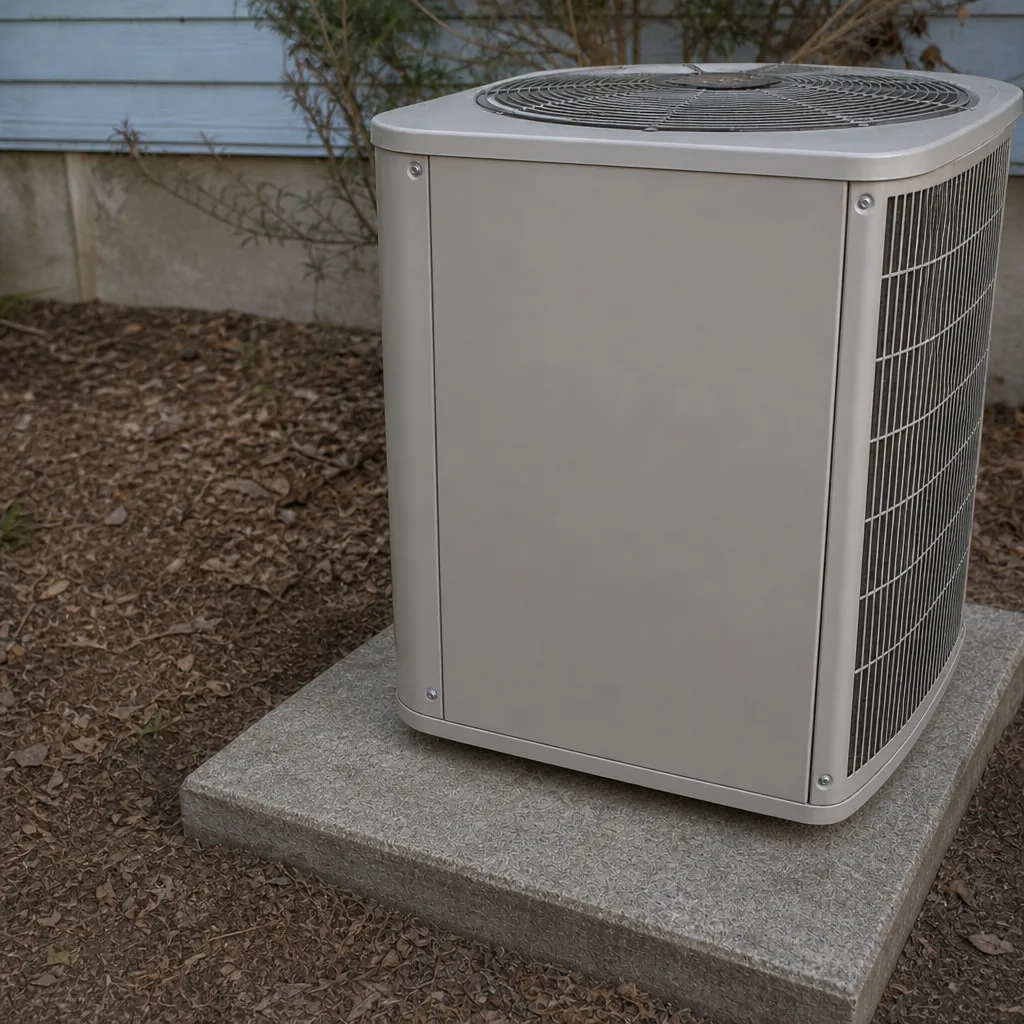
- Clean the outdoor unit. Turn off power at the disconnect, then hose down the condenser coil from the inside out with a gentle spray. Remove leaves and debris from around the base. Leave at least two feet of clearance on all sides.
What these tasks have in common: they don’t open the refrigerant circuit, they don’t touch line voltage, and they don’t require a permit. Do them consistently and you’ll get more life out of your system between professional visits.
Why Refrigerant Work Is Both Regulated and Practically Difficult
Every online tutorial that shows a homeowner “topping off” refrigerant is skipping past two problems. The first is federal: refrigerant handling is regulated under Section 608 of the Clean Air Act, which is administered by the EPA and prohibits anyone without proper certification from purchasing, handling, or disposing of regulated refrigerants. The idea that you can walk into a supply house and buy a can of R-410A without a certification card isn’t true in practice. The second problem is practical: adding refrigerant without diagnosing why it’s low is like putting air in a tire with a nail in it. If your system is low, there’s a leak somewhere, and refrigerant doesn’t just evaporate out of a closed system.
The honest cost comparison looks like this:
- Calling a licensed technician to diagnose a low-refrigerant problem typically involves leak detection, repair of the leak, and a proper recharge with recovery of the old refrigerant back into a cylinder. The written estimate covers the whole job, and the price is set per job.
- Attempting the same work yourself means you can’t legally buy the refrigerant, you don’t have recovery equipment (which costs more than most homeowners expect), and you don’t have the gauges or vacuum pump to do the charge correctly. Every shortcut leads to a system that’s still leaking, still undercharged, and now missing whatever refrigerant you did manage to add.
There’s also a compressor risk worth stating plainly. A system running low on refrigerant will run the compressor harder to try to cool the house, and compressors are the most expensive single component in the system. A $200 repair can become a $2,000 replacement when the compressor overheats. If you suspect a refrigerant problem, don’t try to solve it with a can from a forum recommendation. Call us.
Permits, Disposal, and the Paper Trail You Need
HVAC permits are where the DIY conversation stops being theoretical. Arlington, like most Texas cities, requires a permit for HVAC replacement and for major modifications to an existing system. Permits aren’t a tax on homeowners; they’re the record that the work was done to code, and they’re the record your insurance company and any future buyer of your home will want to see. When a system is replaced without a permit, nobody inspects the work, nobody verifies the load calculation, and nobody documents that the installation met code. Two years later, when the house is sold or a claim is filed, that missing paperwork is a real problem.
Disposal is the quieter issue. An old condenser or furnace doesn’t go in a residential trash can. Refrigerant must be recovered before the equipment leaves the property, and the equipment itself needs to be transported to a proper facility. A licensed contractor handles this as part of the job. A homeowner looking to save money on a system replacement usually discovers that the “savings” disappear once the refrigerant recovery and proper disposal are factored in.
If you’re weighing repair against replacement, this is exactly where the honest math matters. Some systems can be repaired and should be. Some have reached the end of their service life and putting more money into them is throwing good money after bad. Denali AC Repair walks homeowners through that comparison without a default upsell, because an honest answer is what keeps a customer for the next call too. If you’re in a part of town where systems tend to run longer (the older neighborhoods around central Arlington, for example), the repair-versus-replace math looks different than it does in a newer development. You can read more about AC installation when you’re ready to look at what a new system involves.
What Your Insurance Company Sees After a DIY Repair
Homeowner’s insurance policies generally cover sudden and accidental damage. They generally don’t cover damage caused by work the homeowner performed negligently, and they may exclude damage caused by unpermitted work. This is the part of the DIY conversation that’s least discussed online and most expensive when it goes wrong. Imagine a water leak from a condensate line that a homeowner rerouted incorrectly, which damages drywall and flooring in a hall closet. The insurance company investigates, finds unpermitted HVAC work that contributed to the loss, and either denies the claim or covers only part of it. The repair you were trying to save money on just cost you the full repair plus the deductibles.
The pattern repeats across almost every type of HVAC DIY mistake:
- An electrical connection done without a permit that causes a fire – the fire department report notes the unpermitted work, and coverage becomes a fight.
- A refrigerant leak from a DIY repair that damages ceiling drywall – the leak is traced to the modified line, and the water damage is ruled secondary to the unpermitted repair.
- A furnace installation without a permit that fails inspection during a home sale – the buyer’s inspector flags it, and the seller has to pay for a full redo.
None of this is meant to discourage every DIY task. It’s meant to say that the scope matters. The five tasks we listed earlier don’t put your policy at risk. Refrigerant work, electrical connections, gas connections, and system installations do.
How to Be an Intelligent DIY-Adjacent Homeowner
The homeowners who get the most out of their HVAC systems aren’t the ones doing the most work themselves. They’re the ones who do the right prep, keep good records, and hand a technician a house that’s easy to diagnose. That approach saves real money on every service call, because the technician spends their time on the repair instead of on discovery. In our experience, a well-documented system takes noticeably less time to evaluate than one where nobody knows whether the filter was changed in the last six months.
Here’s the routine that pays off:
- Keep a service log. Note the date of every filter change, professional tune-up, repair, and thermostat adjustment. Write it down or keep it in your phone. When you call us, that log shortens the diagnostic conversation.
- Photograph your equipment. Take clear photos of the model and serial plates on both the indoor and outdoor units. Include the data plate on the furnace as well. When you call, you can read us the model number, and we’ll know immediately whether we work on that equipment (we probably do).
- Check the simple things before you call. Is the thermostat set to cool and not heat? Is the breaker at the air handler tripped? Is the filter blocked? Are the outdoor unit’s fins clogged with cottonwood or leaves? These account for a meaningful share of “system won’t cool” calls, and five minutes of checking can save you a service visit.
- Note what the system is doing, not just that it’s broken. “It runs for ten minutes, then shuts off, then runs again” tells us something different than “it doesn’t turn on at all.” Write it down before you call.
- Schedule service before peak season. In Arlington, the first hot week of June is when everyone wants a tune-up. Getting a service call in earlier in the spring means shorter waits and a system that’s ready for the heat.
That last point matters more than it sounds. Denali AC Repair handles furnace repair and AC installation as two sides of the same job, so we see the whole system. That means the same documentation that helps us diagnose a furnace in January also helps us diagnose a cooling problem in July.
Why Arlington Homes Ask a Lot of Their HVAC Systems
Arlington’s summers are long and genuinely hot, and most homes here run the AC from April into October without much of a break. That’s a lot of operating hours. A system in Pantego or Dalworthington Gardens that sees nine months of heavy cooling duty will accumulate wear differently than a system in a cooler climate, and that wear shows up in predictable places: capacitors that fail mid-season, contactors that pit, condensate drains that clog more often because they’re running more water through them. The DIY tasks that matter most in Arlington are the ones that keep the system from working harder than it needs to – filters, condenser cleaning, drain maintenance – because the system here rarely gets a long winter rest to recover.
The mild winters matter too, though in a different way. Furnaces in Arlington often get lighter use than the equipment was designed for, which can lead to problems being delayed rather than prevented. A furnace that runs a few weeks a year hides issues that would show up immediately in a cold climate. That’s part of why an annual check matters; it’s the only way you’ll catch a cracked heat exchanger or a failing ignitor before the first cold night.
Neighborhood context changes the calculation slightly too. Older homes near downtown Arlington often have duct systems that were designed for a different era of equipment, and duct work is the one part of the system most homeowners can’t evaluate on their own. Newer construction out toward Viridian or the southern growth corridors tends to have tighter envelopes and modern equipment, but the equipment is often running at capacity because of the home’s square footage. Either way, the homeowner who understands their system gets more out of it.
See the difference
 Before
 After
 Before
 After
 Before
 After
Common Mistakes to Avoid
- Adding refrigerant without finding the leak. Topping off a leaking system is a temporary fix at best and a compressor-killer at worst. Refrigerant doesn’t disappear from a sealed system; if it’s low, there’s a leak, and the leak is the actual problem.
- Ignoring the permit requirement on a replacement. Saving a few dollars on the permit today means explaining the missing paper trail when you sell the house. Every Arlington replacement needs the record, and the record needs to be right.
- Assuming a bigger system is a better system. Oversized equipment short-cycles, doesn’t dehumidify effectively, and wears out faster. Correct sizing comes from a load calculation, not from a rule of thumb about square footage.
- Cleaning the condenser with a pressure washer. High pressure bends fins and can damage the coil. A garden hose on a gentle spray, aimed from the inside out, is the right approach.
- Skipping the filter for “just one more month.” A chronic habit of stretching filter intervals strains the blower and drives up energy use more than most homeowners realize.
- Buying a replacement thermostat that isn’t compatible with the system. Not every smart thermostat works with every system. Check compatibility against the model number on your indoor unit before you buy, not after.
- Handling a gas furnace connection as a DIY task. Gas line work is genuinely dangerous and it’s not a low-voltage project. Leave it to a licensed professional every time.
When to Call a Professional
Call a professional for any work involving refrigerant, gas connections, electrical panel work, permits, or a system replacement. Call us also if your system is short-cycling, tripping the breaker, blowing warm air, leaking water from the indoor unit, or making noises it didn’t used to make. Call us if your furnace won’t ignite or produces any smell you don’t recognize; don’t try to diagnose a gas appliance yourself. And call us if you’re weighing repair against replacement and want the honest math instead of a sales pitch. Denali AC Repair offers free estimates in Anchorage – sorry, in Arlington – so the diagnostic conversation doesn’t cost you anything. We work on Carrier, Trane, Lennox, Goodman, Rheem, York, Daikin, Bryant, and American Standard equipment across the metroplex, which means the system in your home is one we’ve seen before. Call (888) 604-8863. We answer 24/7. Fast dispatch from 7am to 7pm, Sunday through Friday.
Frequently Asked Questions
Yes for routine maintenance like filter changes, thermostat replacement, condensate drain clearing, coil fin straightening, and outdoor unit cleaning. No for anything involving refrigerant, HVAC permits, gas connections, or line-voltage electrical work, all of which require a licensed contractor under Texas TDLR rules. The dividing line is whether the repair touches the sealed refrigerant system or requires a permit.
Your insurer may deny a claim that’s connected to the unpermitted work, or cover only a reduced portion of it. Policies typically exclude damage caused by negligent work by the homeowner, and unpermitted work is easy to identify during a claim investigation. The coverage risk is usually larger than whatever the original repair would have cost.
Not legally. Refrigerant handling is federally regulated under Section 608 of the Clean Air Act, which requires certification just to purchase regulated refrigerants. That’s on top of the practical problem: without recovery equipment, gauges, and a vacuum pump, you can’t do the job correctly even if you had the refrigerant.
Yes if you turn off the breaker to the air handler first and take a photo of the wiring before disconnecting anything. Low-voltage thermostat wiring is safe to work with. The main risks are losing the wire labels and buying a thermostat that isn’t compatible with your system, both of which are easy to avoid with a little prep.
Every one to three months. Arlington’s long cooling season and the usual mix of dust and pollen means the upper end of that range is only right for homes with low occupancy and no pets. If you can’t see light through the filter when you hold it up, it’s overdue.
We can, and we’re honest about it. Call (888) 604-8863. We answer 24/7. Fast dispatch from 7am to 7pm, Sunday through Friday. If it’s a filter, a drain, or a thermostat, we’ll tell you so. If it involves refrigerant, a permit, or gas, we’ll schedule the service. Estimates are free.
The Bottom Line
The DIY versus professional question in Arlington isn’t really about money once you factor in the legal and insurance exposure. Some tasks belong in your hands: filters, thermostat swaps, condensate lines, fin straightening, and outdoor coil cleaning genuinely save money and don’t put your policy at risk. The rest belong with a licensed contractor, because refrigerant is federally regulated, permits create the paper trail you’ll want when you sell the house, and a homeowner’s insurance claim that gets denied for unpermitted work costs more than the original repair ever would. Do the easy work yourself, keep the records, prep the system before you call, and let us handle the sealed system. That division of labor is what gets the most life out of your equipment.
If you’re in Arlington and want a straight answer about what your system needs, call Denali AC Repair at (888) 604-8863. We answer 24/7. Fast dispatch from 7am to 7pm, Sunday through Friday. Free estimates, upfront pricing, and we’ll tell you the truth about repair versus replacement. We also serve homeowners across Arlington and want you to get a fair estimate, so call today.
Written by the team at Denali AC Repair.