
Last updated November 15, 2026
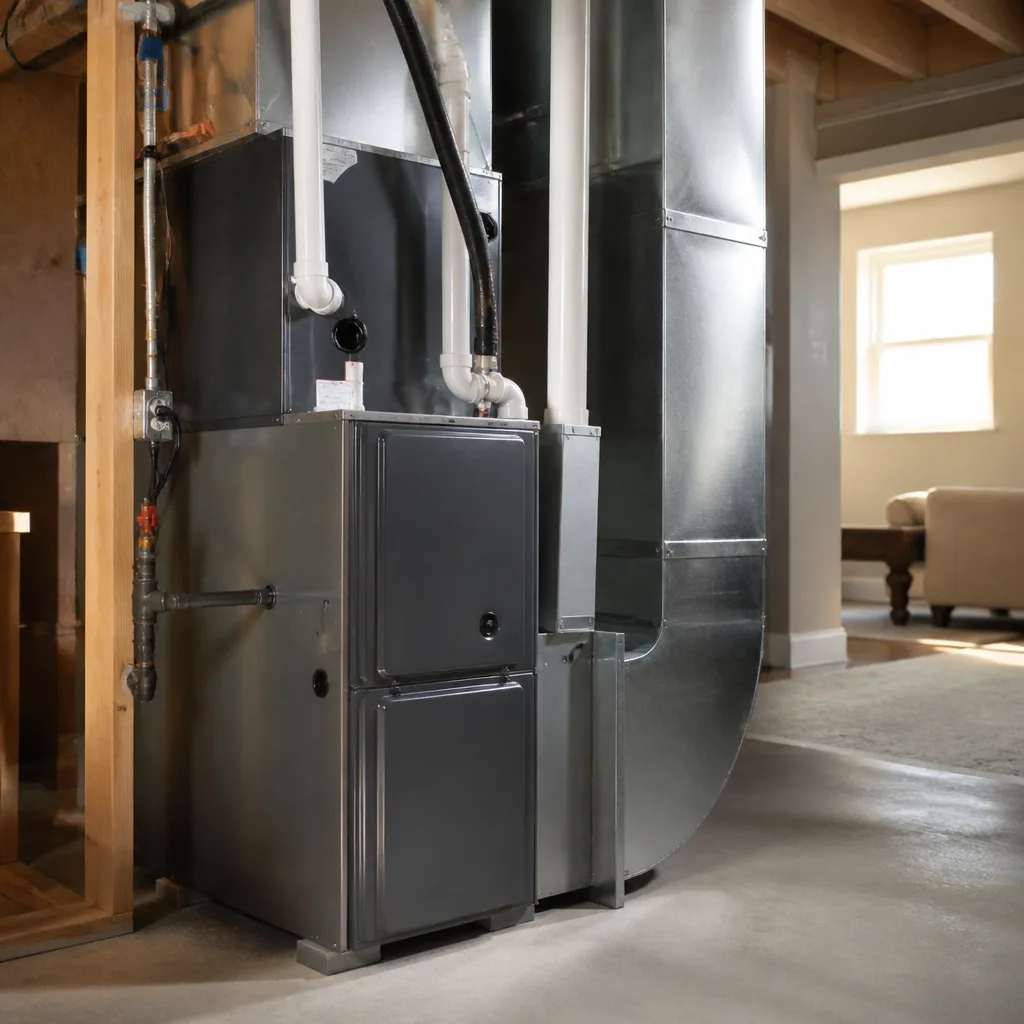 Furnace & heating
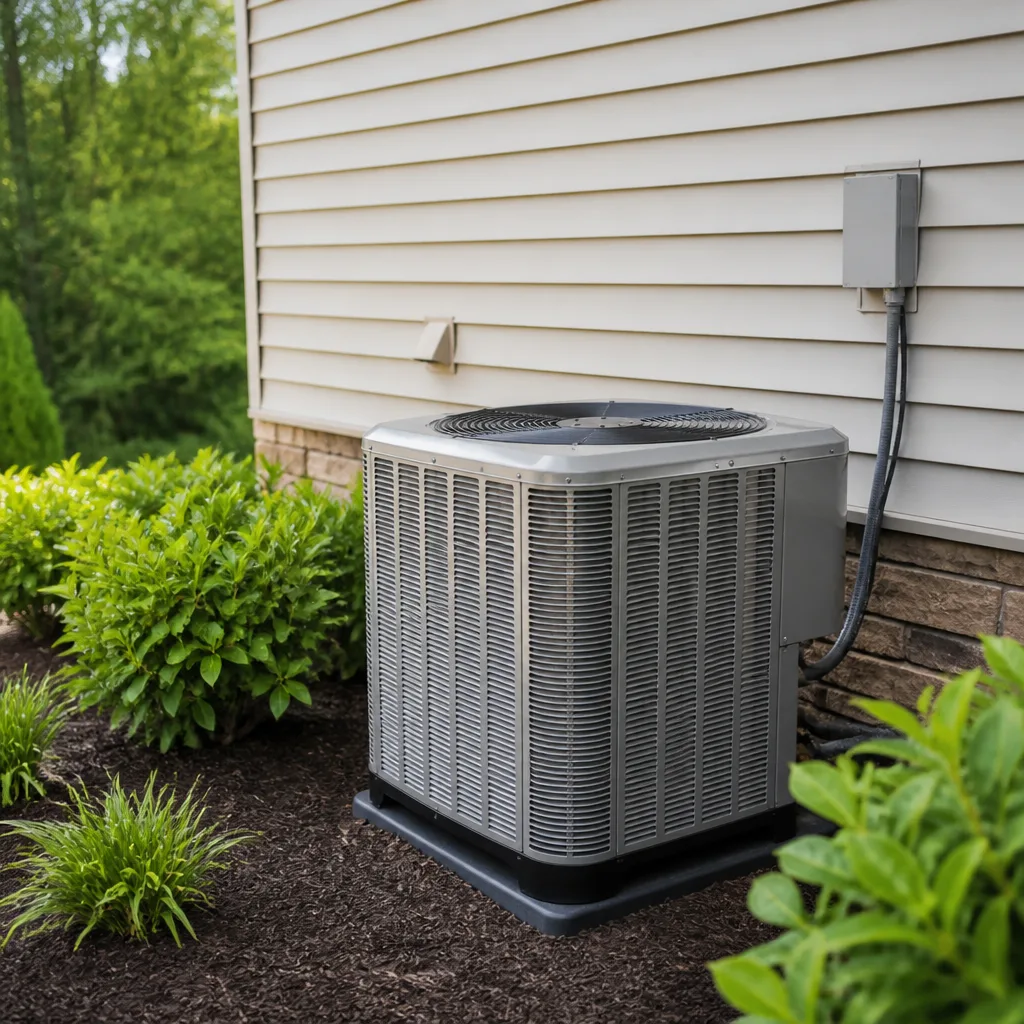 AC repair
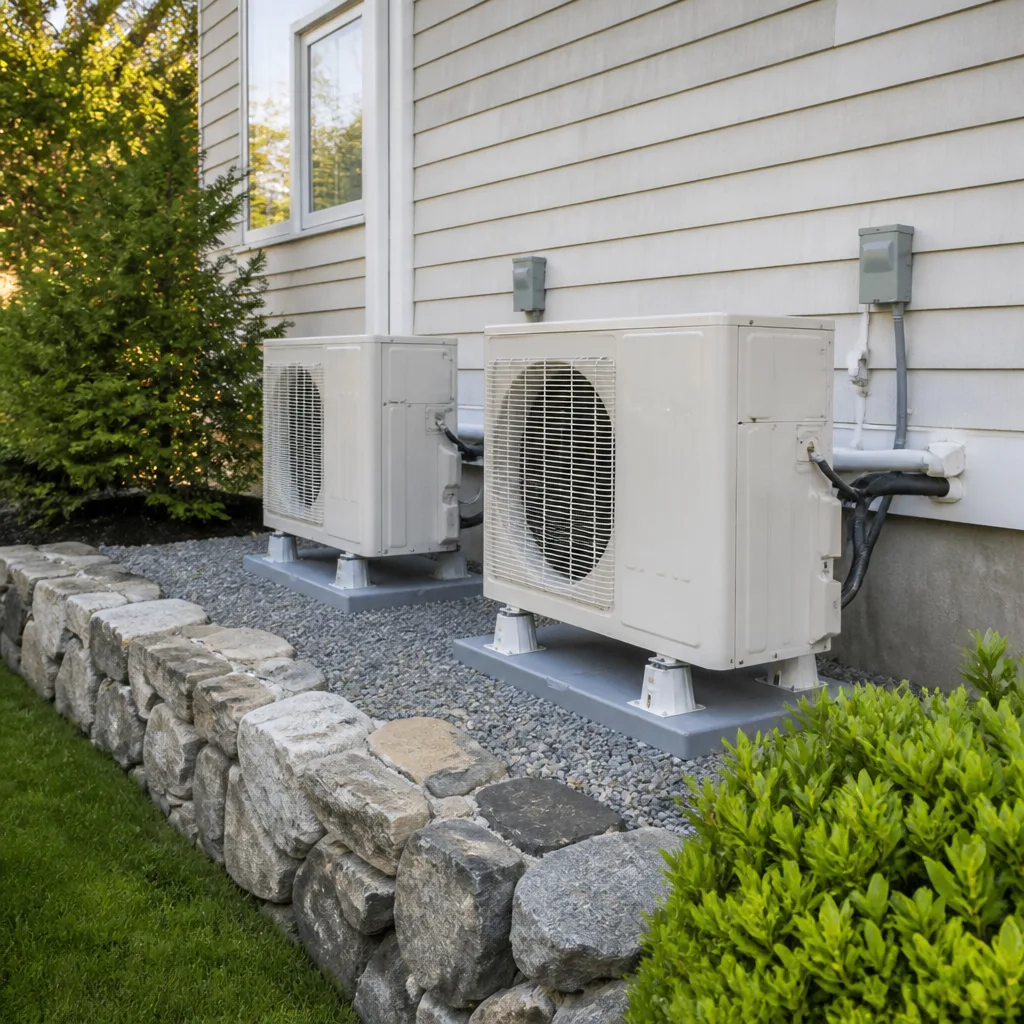 Heat pumps
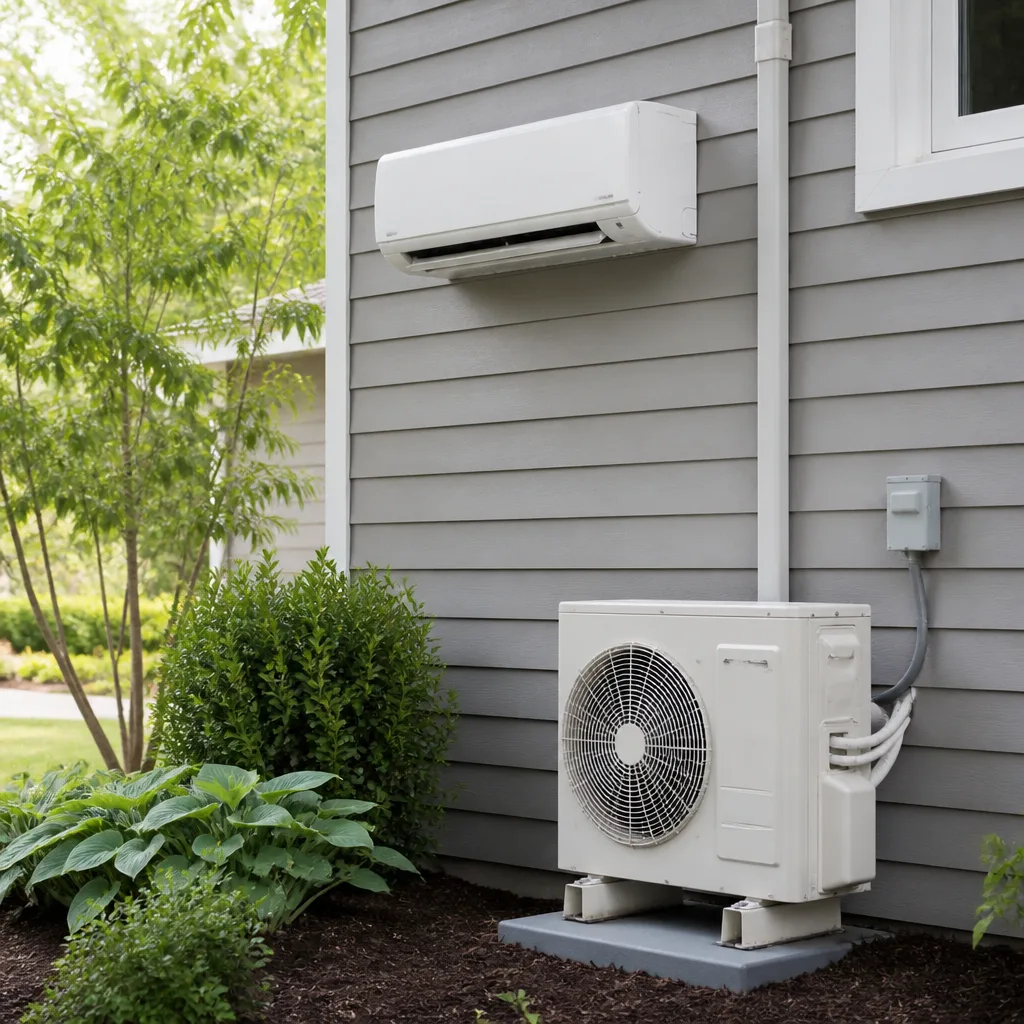 Ductless mini splits
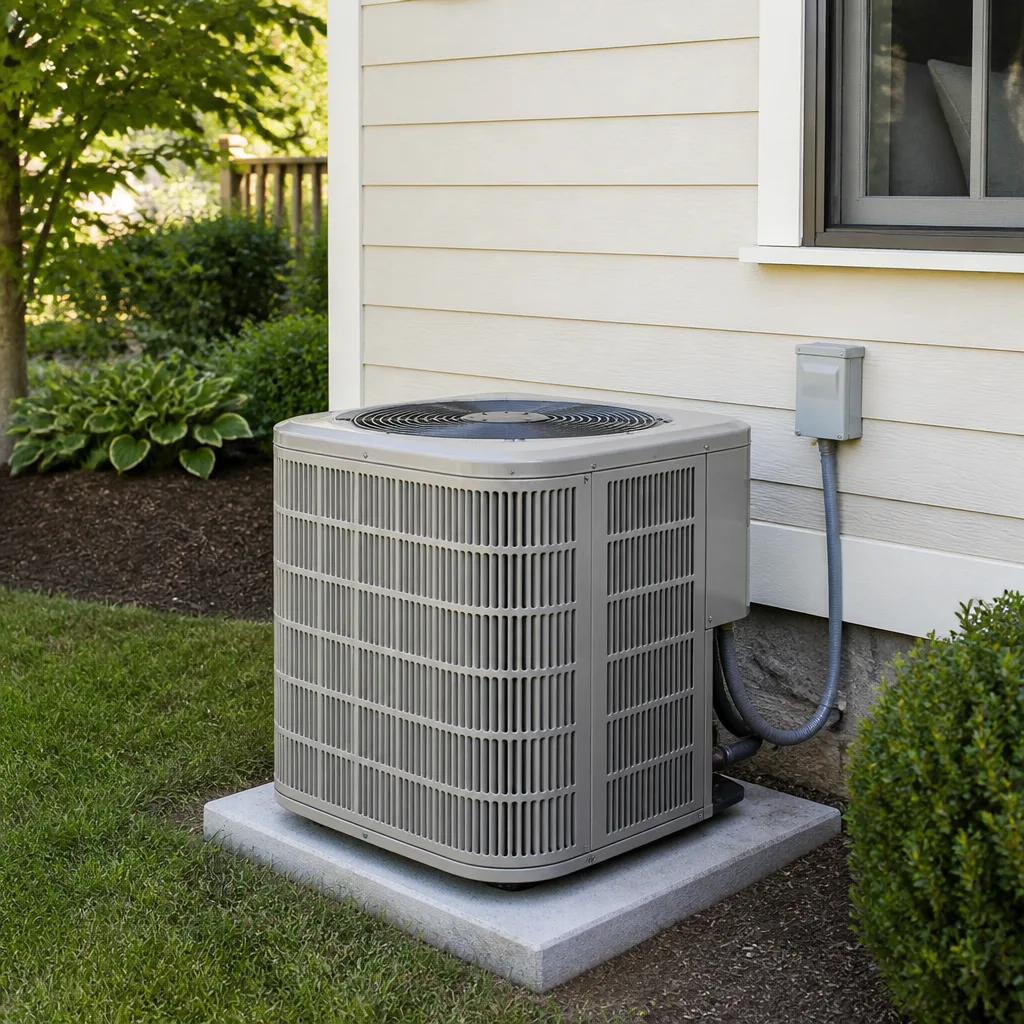 Carrier
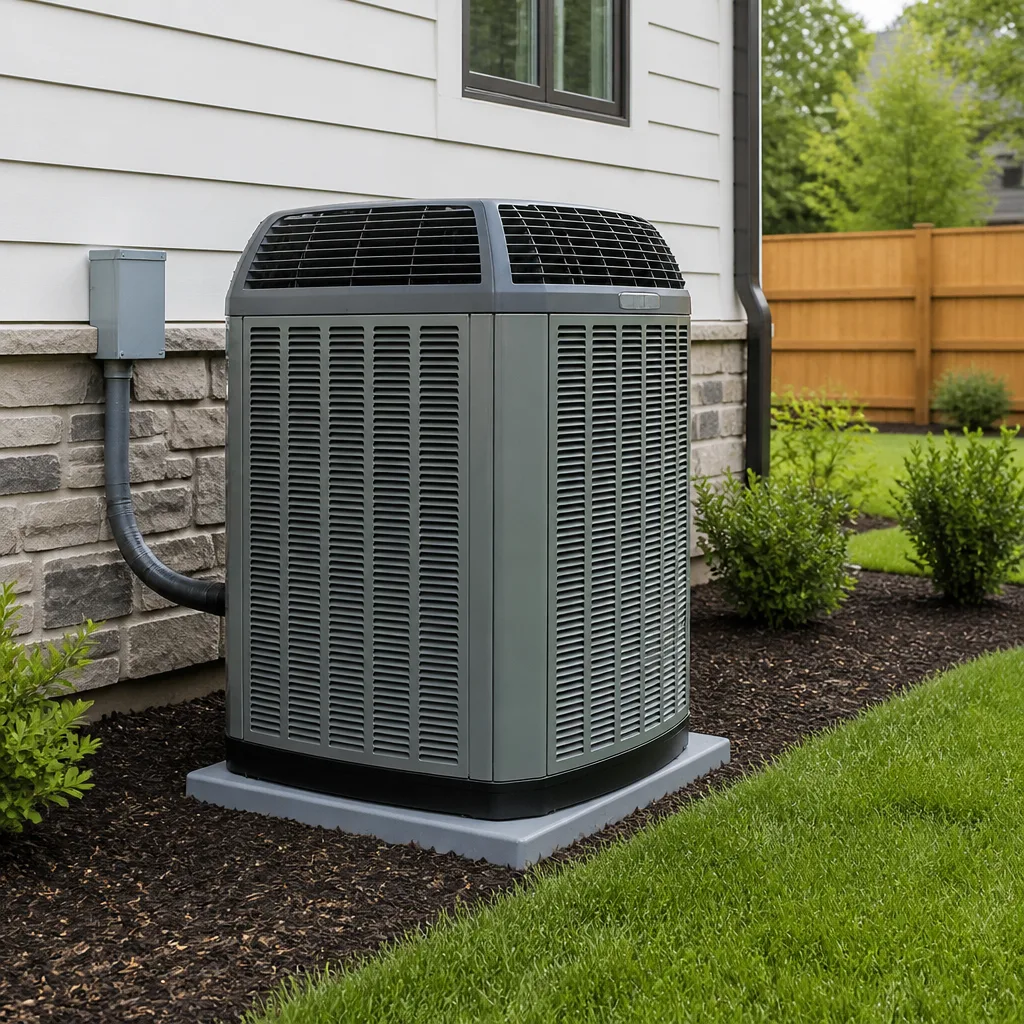 Trane
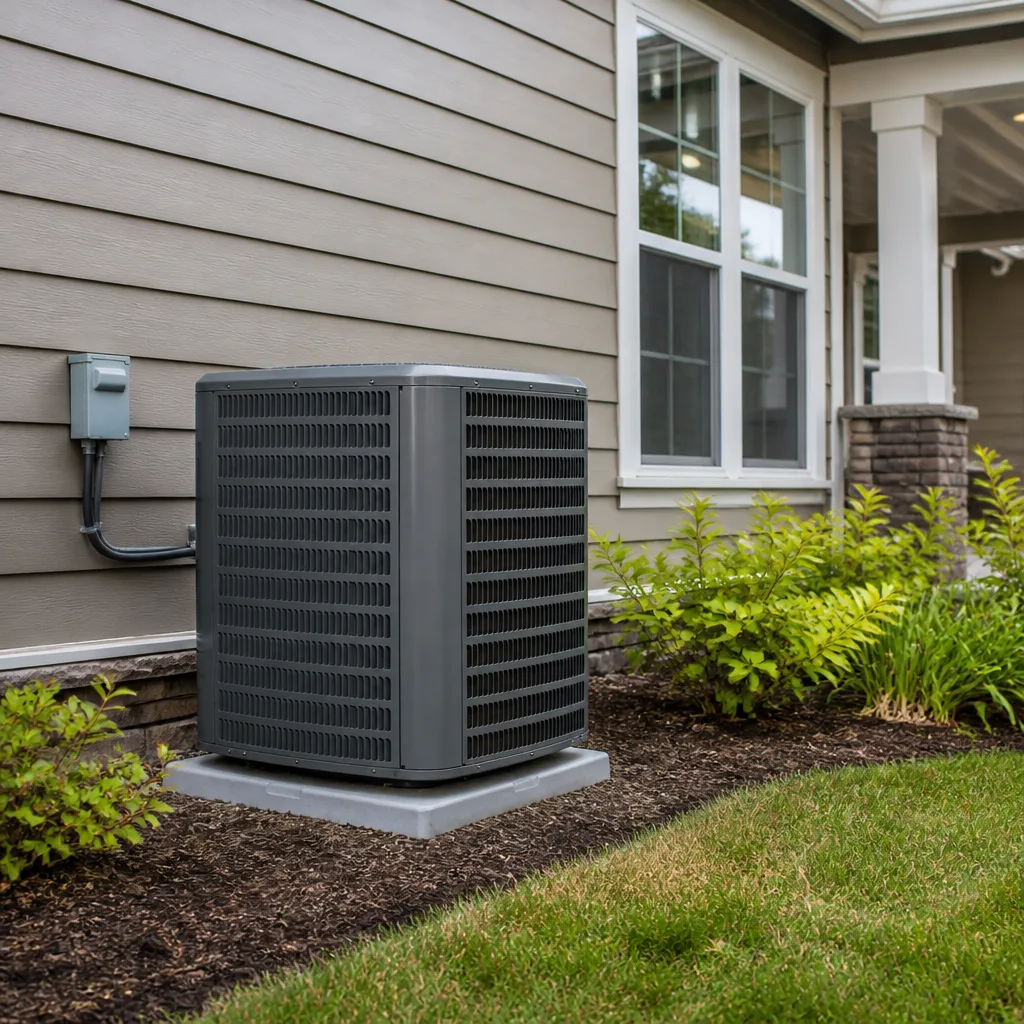 Goodman
Seasonal tune-up and full diagnostic on your Carrier, Trane, or Goodman system - readings shown to you before any repair is proposed
Diagnosis first, numbers second - you approve the repair price before a single part goes in.
Get your free estimateThe Complete Furnace Replacement Guide for Arlington Homeowners
Most furnace replacement guides treat the purchase decision as the finish line. Pick a brand, pick a size, write the check, done. That’s backwards. In Arlington, the unit you choose is only one variable in a system that includes how your house holds heat, how your ducts were built, and whether the job gets permitted and inspected. A furnace that’s too large for your Arlington home will short-cycle, wear out faster, and leave you with cold spots, and oversizing is the single most common mistake made when price alone drives the replacement decision. This guide works backward from installation day so every upstream choice lands correctly. You’ll learn how sizing really works here, why your home’s age changes the plan, what commissioning should look like, and how to tell a real replacement from a swap.
Quick Answer
Furnace replacement in Arlington means sizing the unit to your actual home using a room-by-room load calculation, matching it to ductwork that can move the required airflow, pulling the required permit, and commissioning the new system with measured airflow and temperature rise before anyone calls the job finished. The right furnace is the one that matches your house, your ducts, and your duct layout, not the one with the best price tag or the biggest output number on the box.
Styles & brands we work with
- AC repair
- Furnace & heating
- Heat pumps
- Ductless mini splits
- Carrier
- Trane
- Goodman
Table of Contents
- Why Manual J Load Calculation Decides Everything in Arlington
- How to Verify Your Contractor Actually Ran a Load Calculation
- How Arlington’s Housing Mix Creates Ductwork Compatibility Issues
- Permitted Replacement vs. a Swap Job: What’s Really at Stake
- How to Stage the Replacement Decision
- What Commissioning Should Look Like After Install
- Repair or Replace: The Honest Math
- Working With the Brand You Already Have
Why Manual J Load Calculation Decides Everything in Arlington
Manual J is the industry-standard method for calculating how much heating and cooling a specific house actually needs, room by room, based on its construction, insulation, windows, orientation, and air leakage. It is not a rule of thumb and it is not a guess based on square footage alone. In Arlington’s mild winters, furnaces run fewer hours than they would in a colder climate, which makes correct sizing even more important: a unit that’s oversized for the load spends its life cycling on and off in short bursts instead of settling into long, even runs.
Short cycling does real damage. It wears the heat exchanger and blower through more starts, it drives temperature swings between rooms, and it costs more to operate because startup draws more energy than steady operation. An undersized unit has the opposite problem: it runs constantly on the coldest nights and never quite catches up.
What the load calculation actually accounts for in an Arlington home:
- Insulation levels in the walls and attic, which vary widely between older and newer construction
- Window count, type, and which direction they face
- Air leakage through doors, penetrations, and the building shell
- Duct location and whether ducts run through unconditioned attic space
- Number of occupants and how the home is actually used
Manual J produces a required output in BTUs. That number, not the size of the old furnace, is what the new unit gets matched against. Replacing “like for like” on size is a habit, not a method, and it quietly copies whatever mistake the original installer made. If the old unit was oversized, a like-for-like swap keeps you there.
How to Verify Your Contractor Actually Ran a Load Calculation
Ask for the calculation and look at what you’re handed. A real Manual J report has room-by-room entries, wall and window inputs, and a total BTU figure for heating. A napkin note with a square-footage multiplier is not a load calculation, and it should end the conversation.
Here’s how to check, in order:
- Ask what method was used. The answer should be Manual J, or software that implements it. “We’ve been doing this a long time” is not a method.
- Ask whether someone measured the house. Room dimensions, window sizes, and insulation levels get measured or verified, not estimated from the front sidewalk.
- Ask for the BTU output the calculation produced. A contractor who can’t state the number didn’t produce one.
- Ask how the result maps to a specific model. Every furnace has a range of output settings, and the chosen setting should sit inside the calculated load, not above it.
- Ask about the cooling side if you’re also replacing or adding AC. A contractor who sizes heating and cooling together is thinking about the whole system. You can see how we approach that side of the work on our AC installation page.
In our experience, the homeowners who ask these five questions get better installations, because the questions signal that the details will be checked. Any contractor confident in their process will walk you through the report without hesitation.
How Arlington’s Housing Mix Creates Ductwork Compatibility Issues
Arlington has an unusual spread of housing stock. Older single-story slab homes sit in the same city as newer two-story builds, and the two create very different ductwork situations. In the older slab homes, ductwork commonly runs through the attic and can be undersized by modern standards, sealed with aging tape and mastic, or laid out in ways that favor some rooms and starve others. In newer two-story homes, the challenge shifts to balancing upstairs and downstairs, where one furnace feeding two floors through a single trunk can leave the second story uneven.
Here’s where this bites during a replacement. A new furnace moves a set amount of air, and the ducts have to carry it. If the existing ducts were sized for the old unit and the new unit needs more airflow, you get high static pressure, noisy registers, and a system that delivers less heat than its rating suggests.
Before you commit to a unit, get straight answers on:
- Duct sizing. Does the existing trunk and branch layout carry the airflow the new furnace requires? This is measurable, not a matter of opinion.
- Sealing condition. Leaky ducts in an attic lose heat before it reaches the room. Sealing at the time of replacement is often the cheapest efficiency work available.
- Zoning potential. A two-story home with one system can benefit from zoning, but zoning changes the airflow math and needs to be planned before the furnace is chosen, not after.
- Return air. Undersized returns choke a system quietly. If a room is always cold and the door has no return path, the fix may involve duct work, not a bigger furnace.
Whether a system is one story or two, the same rule holds: the ducts and the furnace are a matched pair. A great furnace on bad ducts is a mediocre system.
Permitted Replacement vs. a Swap Job: What’s Really at Stake
A permitted replacement includes a mechanical permit, an inspection of the installation, and a record that the work was done to code. A swap job skips all of it. The furnace may run fine, and the difference doesn’t show up for years, until it does.
Most cities require a permit for a furnace replacement, so ask your city’s building department directly if you want confirmation for your address. The gap between a permitted and unpermitted install shows up in three places:
- Insurance. If a fire or carbon monoxide incident traces back to an unpermitted gas appliance installation, a claim can turn into a dispute about whether the work was ever legal. That’s a conversation no homeowner wants to have.
- Resale. Buyers and their inspectors ask for permits. An unpermitted furnace shows up as a defect in the inspection report and becomes a negotiating item or a repair demand.
- Code compliance. Venting, gas piping, clearances, and combustion air requirements exist for safety reasons. An inspection confirms them. A swap confirms nothing.
Ask each contractor you talk to one direct question: will you pull the permit, and will you give me the inspection record when the job closes? The answer should be immediate. If it comes with a story about why permits slow things down, that’s your answer about the contractor.
While the system is open and inspected, this is also the natural moment to address heating problems that aren’t the furnace’s fault. See our furnace repair page for how we separate a furnace problem from a duct, thermostat, or airflow problem.
How to Stage the Replacement Decision
Replacement is a rare event, so it’s tempting to do everything at once: new furnace, new ducts, new thermostat, maybe a whole-house air strategy. Some of that is smart and some is money spent on the wrong priority. Stage the work so the highest-impact items happen while the system is open, and lower-priority items wait.
Here’s the staging order we’d suggest to any Arlington homeowner facing a replacement:
- Load calculation and duct assessment first. Both determine what furnace you buy. Skipping either means buying blind.
- Duct sealing while the system is open. Sealing accessible ducts during replacement costs far less than coming back later, and it affects how well the new furnace performs from day one.
- Return air corrections. If a room or floor never heats well, fix the return path before selecting output. A bigger furnace won’t solve a return problem, it just adds pressure.
- Thermostat upgrade if the existing one is basic or aging. A modern programmable or smart thermostat works best with a system that’s been properly commissioned, so it fits naturally here.
- Zoning only if the layout genuinely requires it. Zoning solves specific imbalance problems. It’s not a default add-on, and it should be planned before the furnace is selected.
- Cosmetic items last. Grille upgrades, filter cabinet choices, and similar work can wait until the system has proven itself.
The principle is simple: spend where it improves performance, defer where it doesn’t. That’s the same logic we apply to repair decisions, and it’s why our recommendations rarely look identical from one house to the next.
What Commissioning Should Look Like After Install
Commissioning is the set of measurements and adjustments that confirm the new furnace is actually delivering what it was designed to deliver. Most homeowners never see this step, and that’s exactly why it’s worth asking for.
A properly commissioned install includes:
- Static pressure measurement. This tells you whether the ducts are working with the furnace or fighting it.
- Temperature rise check. The difference between return air and supply air temperature should sit inside the manufacturer’s specified range for the unit.
- Gas pressure verification. Burner performance depends on correct inlet and manifold pressure.
- Combustion testing. Confirms the burn is clean and the venting is doing its job.
- Airflow measurement and register balance. Rooms should get the air the calculation assumed they would.
- Filter and thermostat setup. Correct filter size, correct thermostat programming, and a walkthrough of both for you.
- A written record. Ask for the measured numbers, not just a signature on a work order.
These checks take time, and a contractor who skips them is leaving performance on the table. If you want an honest read on an older system before deciding to replace, our Denali AC Repair team can look at the whole picture rather than one component.
Repair or Replace: The Honest Math
There’s no universal rule for when to replace versus repair, but there are patterns worth knowing. Repeated repairs to the same component, a heat exchanger that’s been flagged as compromised, and a system that never quite kept the house comfortable even when new are all signals that replacement deserves serious consideration. A single failed ignitor or blower motor on an otherwise healthy system usually doesn’t.
Questions worth answering honestly:
- How many repairs has the system needed in the last few seasons? A pattern of failures is a trend, not bad luck.
- Is the furnace keeping up on the coldest nights? If it runs continuously and still falls short, the system is either undersized or the ducts are choking it.
- Have you been told the heat exchanger is cracked or compromised? This is a safety issue, not a performance issue, and it changes the decision entirely.
- Does the efficiency of the existing unit justify continued investment? Older furnaces can be reliable and still expensive to run.
- What would you spend on repairs across the next several seasons? Compare that against a replacement and the honest math usually becomes clear.
The right answer for your home depends on which of these is true. A contractor who recommends replacement before asking any of these questions is selling, not diagnosing. We’d rather show you the numbers and let you decide.
For homeowners comparing their options across the metroplex, our Arlington page covers how we approach local furnace replacement and AC work.
Working With the Brand You Already Have
Brand loyalty rarely matters as much as fit, but familiarity with your existing equipment does matter during a replacement. Knowing how a specific manufacturer’s cabinets, venting requirements, and control boards are laid out shortens the install and reduces the surprises that turn a one-day job into a two-day job.
Our technicians have up to 10 years of experience, and we work on equipment from nine of the most-installed manufacturers in the country, including Carrier, Trane, Bryant, American Standard, Lennox, Goodman, Rheem, York, and Daikin. That familiarity means the recommendation we give you comes from what the equipment requires, not from a dealer agreement that locks us into one brand. If your current system is a Trane and a Bryant model fits your home’s load and ducts better, we’ll say so.
What matters more than the badge on the cabinet:
- The unit is correctly sized to your load calculation
- The ducts can carry the airflow it needs
- The installation is permitted and inspected
- The system is commissioned with measured results
- The brand has parts and service support in the Arlington area
Get those five right and the brand question mostly takes care of itself.
Common Mistakes to Avoid
- Buying on price alone. The cheapest bid usually reflects the least scope: no load calculation, no duct assessment, no permit. The savings come from work that was never planned.
- Replacing like-for-like on size. Copying the old furnace’s output treats the original installer’s sizing as correct. It may not have been, especially in older Arlington homes that have had insulation and window upgrades since.
- Skipping the duct assessment. A new furnace on undersized or leaky ducts underperforms its rating. You pay for efficiency you can’t feel.
- Letting a contractor skip the permit. Unpermitted work is a resale problem and an insurance problem, and it takes years to surface.
- Choosing the furnace before deciding on zoning or thermostat upgrades. Zoning changes the airflow math. If you plan the furnace first and zoning later, the system often ends up mismatched.
- Accepting an install without commissioning. If nobody measured static pressure and temperature rise after the job, nobody confirmed the system works as designed.
- Forgetting the cooling side. If your AC is aging too, planning the furnace and AC together usually costs less and performs better than handling them in separate years.
See the difference
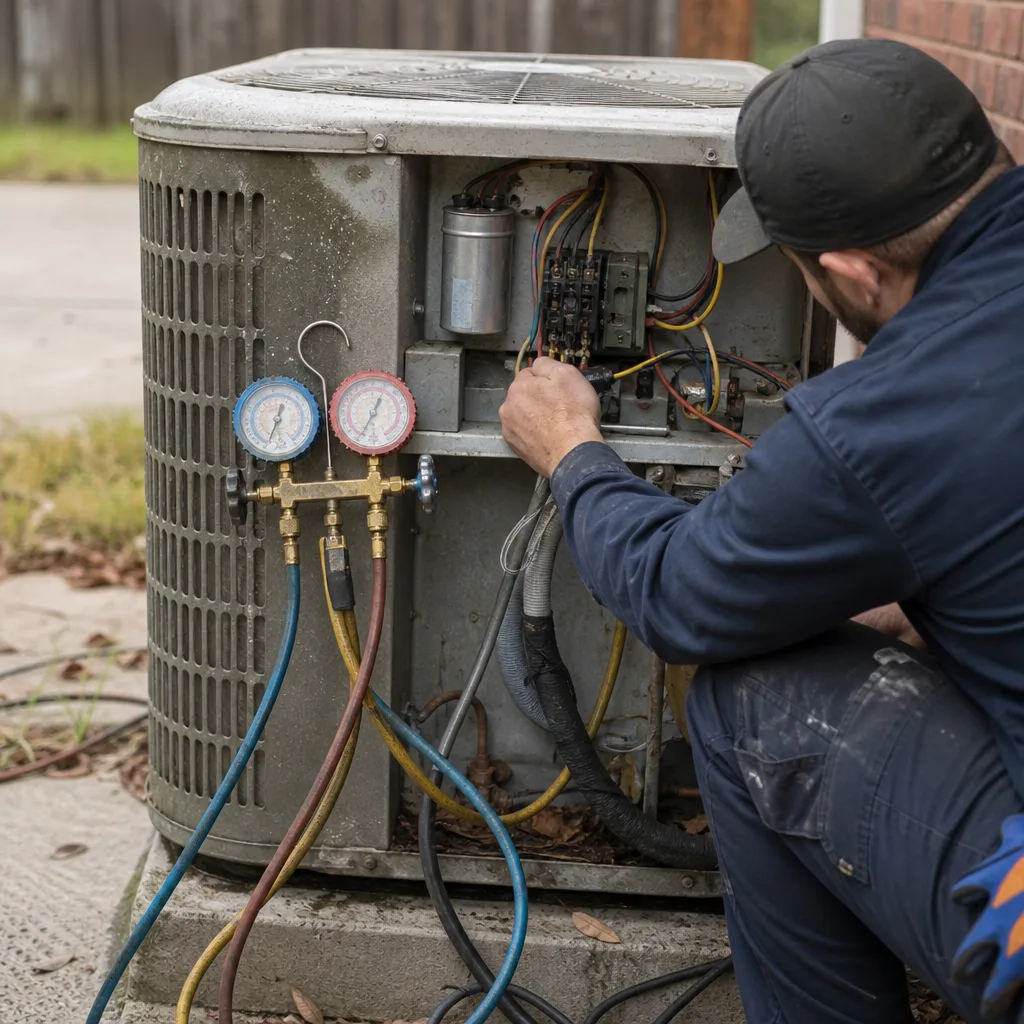 Before
 After
 Before
 After
 Before
 After
When to Call a Professional
Call a professional when your furnace has been flagged with a cracked heat exchanger, when repeated repairs are stacking up, when the system can’t hold temperature on the coldest nights, or when you’re simply ready to plan a replacement and want a real load calculation before you commit to anything. Safety matters here, and any work involving gas lines, combustion, venting, or the heat exchanger belongs in trained hands, not a weekend project.
Denali AC Repair offers free estimates in Arlington. Call (888) 604-8863. We answer 24/7. Fast dispatch from 7am to 7pm, Sunday through Friday. Our team handles furnace repair, furnace replacement, and AC installation, so the whole system gets planned together rather than passed to a second contractor.
Frequently Asked Questions
Most residential furnace replacements are completed in a single day once the equipment is on hand, though jobs that include duct sealing, zoning, or return air corrections can extend into a second day. The schedule should be set in writing before the install date, along with a written fixed price, so there are no surprises when the system is already drained and open.
Most cities require a permit for a furnace replacement, so ask your city’s building department for confirmation on your address. A permitted job includes an inspection, and that inspection record is the document that protects you at resale and during any insurance claim. Call (888) 604-8863 for an exact quote and to confirm permit handling as part of your estimate.
There’s no single answer, because the correct size depends on a room-by-room load calculation, not on square footage alone. A manual calculation accounts for insulation, windows, air leakage, and duct layout. If your contractor hasn’t measured the house, they haven’t sized it. Call (888) 604-8863 for a free estimate and to see what your home actually requires.
Yes, often you can, but the two systems share airflow and sometimes share a blower, so they should be evaluated together. If the existing AC is nearing the end of its life, planning both at once usually works out better than doing them in separate years. Call (888) 604-8863 for an exact quote that covers both sides.
The answer depends on repair history, whether the system can hold temperature, and whether the heat exchanger is compromised. A single failed part on a healthy system usually justifies repair, while a pattern of failures or a flagged heat exchanger pushes toward replacement. Call (888) 604-8863 for a free estimate and an honest read on which way your system leans.
Commissioning should happen: static pressure, temperature rise, gas pressure, combustion testing, airflow measurement, and register balance, all documented in writing. If the install ends when the unit starts, the system hasn’t been proven, just powered up. Call (888) 604-8863 for an exact quote on a fully commissioned installation.
The Bottom Line
The right furnace replacement in Arlington starts well before the equipment decision. Correct sizing from a real load calculation, ducts that can carry the airflow, a pulled permit, staged upgrades where they matter, and a commissioned install with measured results. Get those right and the unit itself becomes the easy part. Skip them and even a good furnace underperforms in ways that take years to diagnose. Whether you’re repairing an aging system or planning a full replacement, call (888) 604-8863. We answer 24/7. Fast dispatch from 7am to 7pm, Sunday through Friday. Estimates are free, and the price is set per job by the written estimate.
Written by the team at Denali AC Repair.