
Last updated November 15, 2026
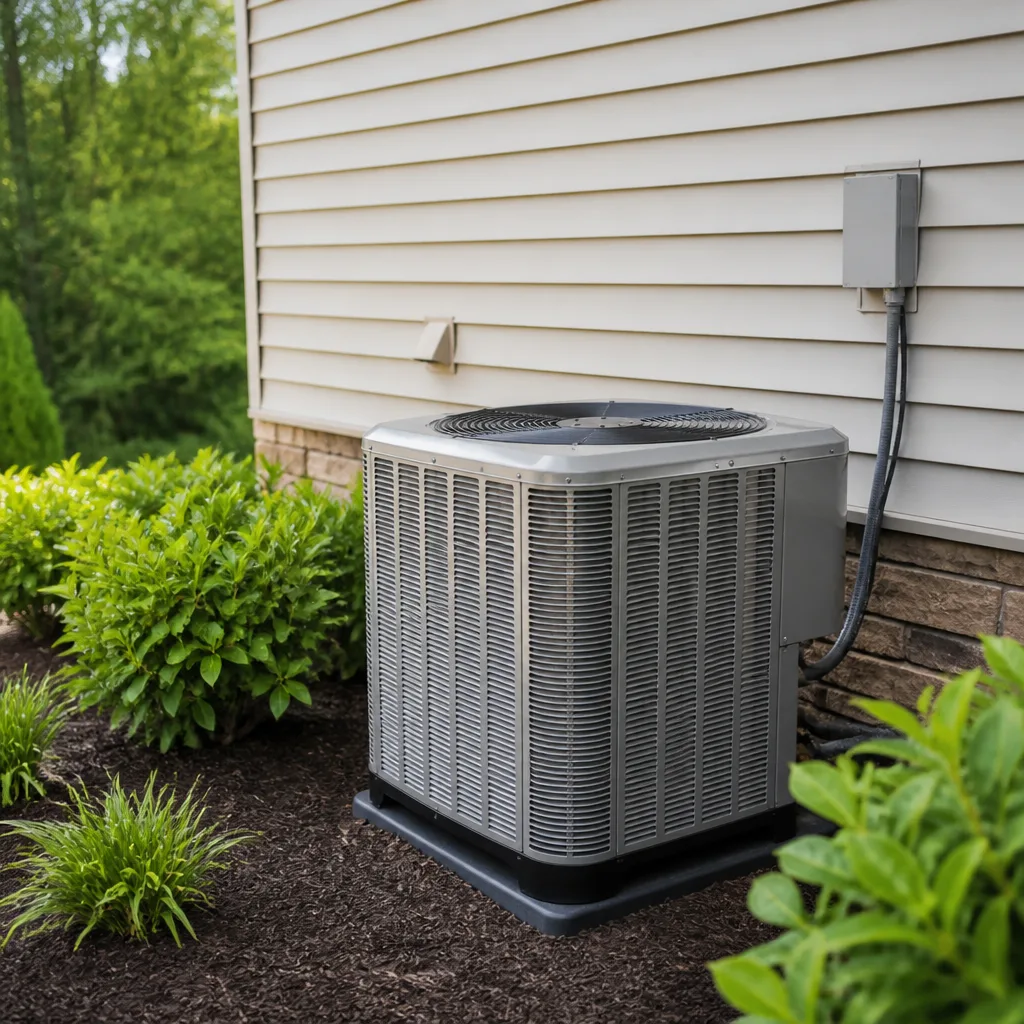 AC repair
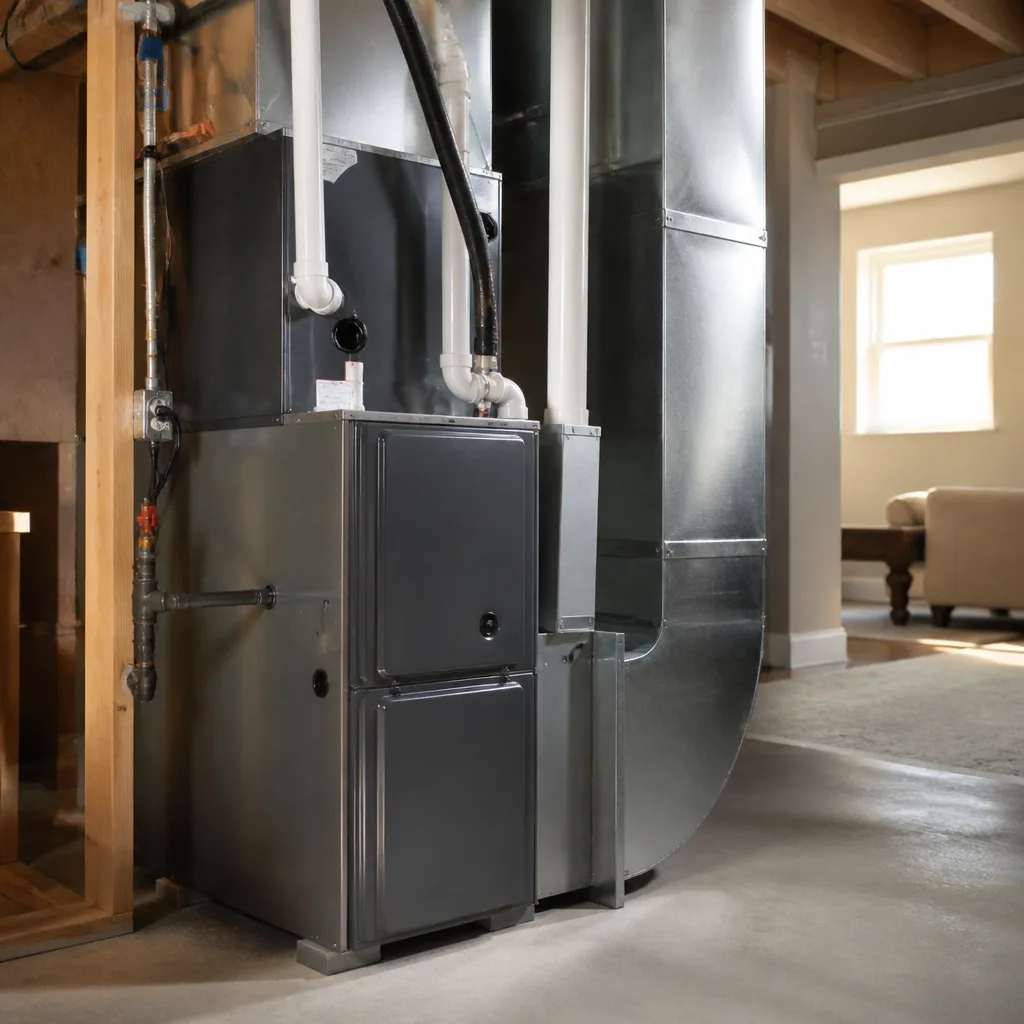 Furnace & heating
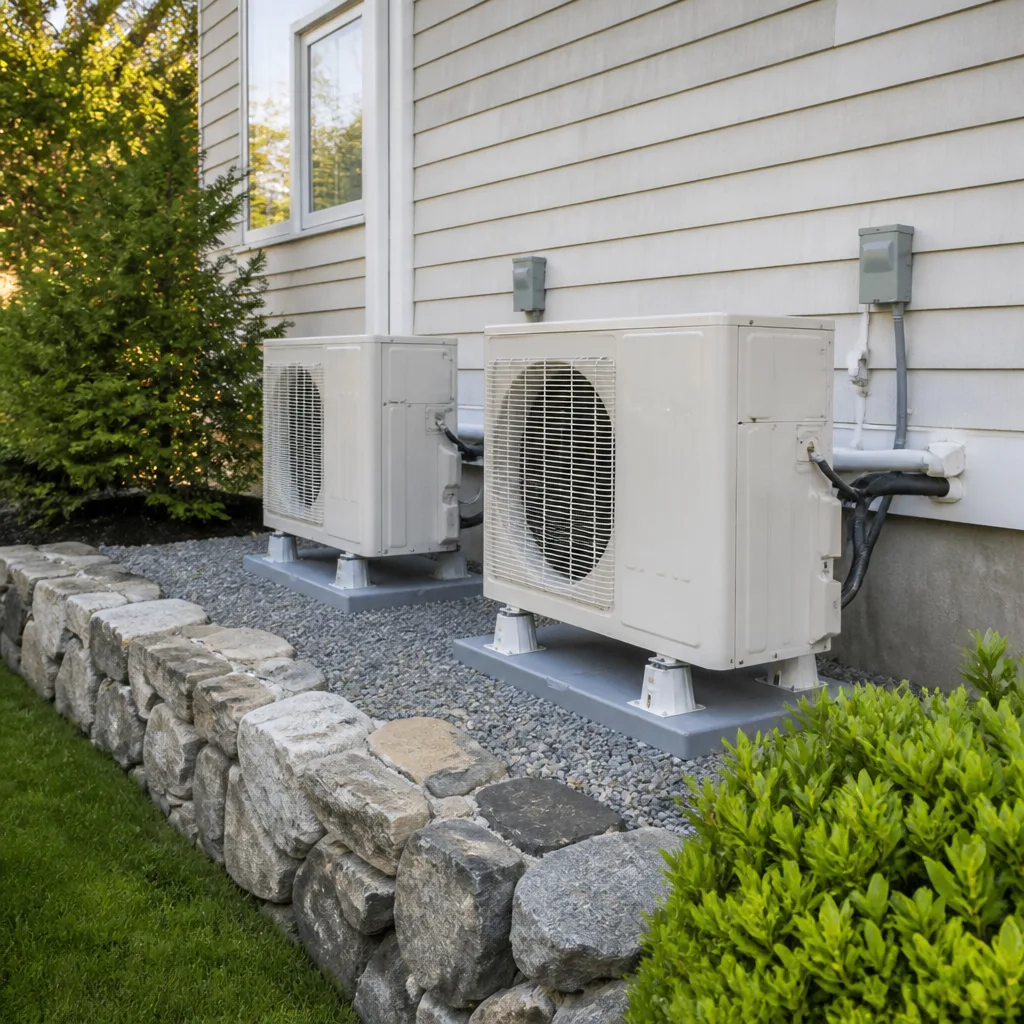 Heat pumps
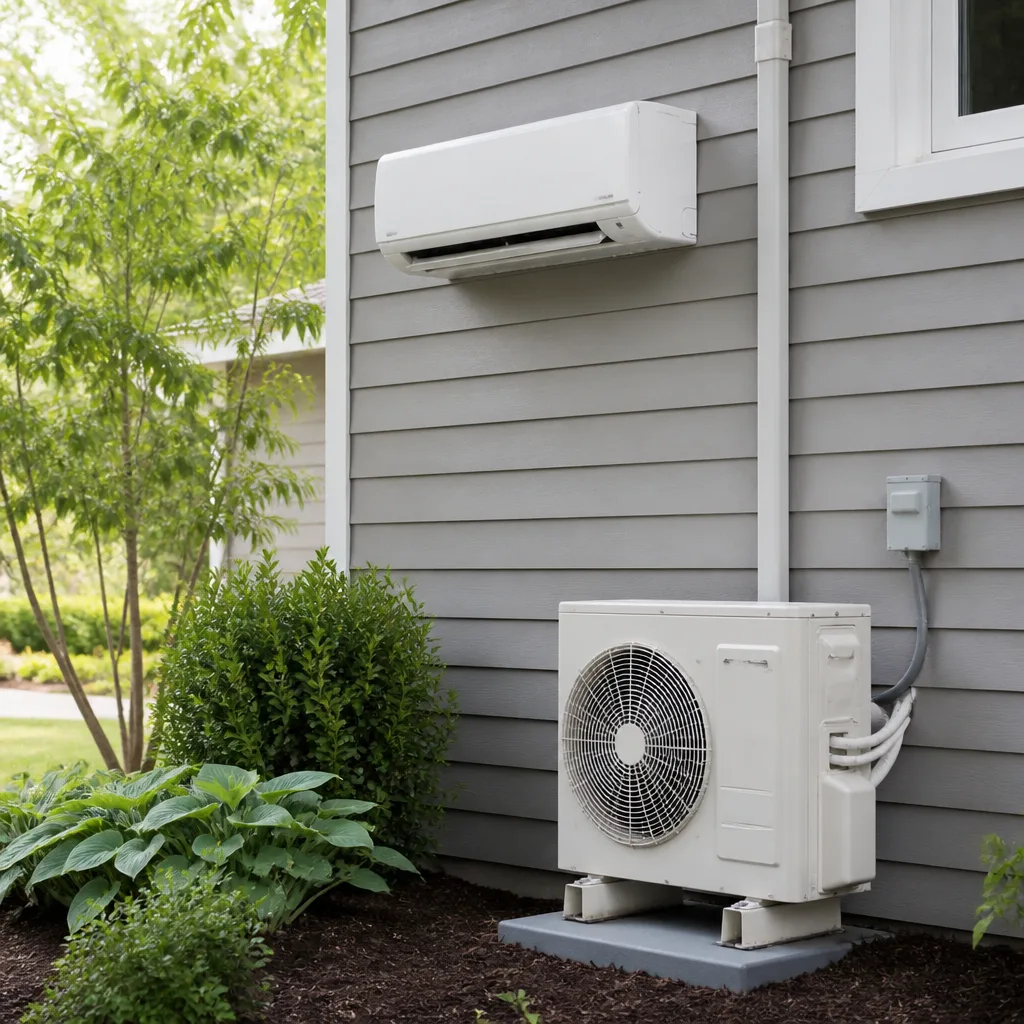 Ductless mini splits
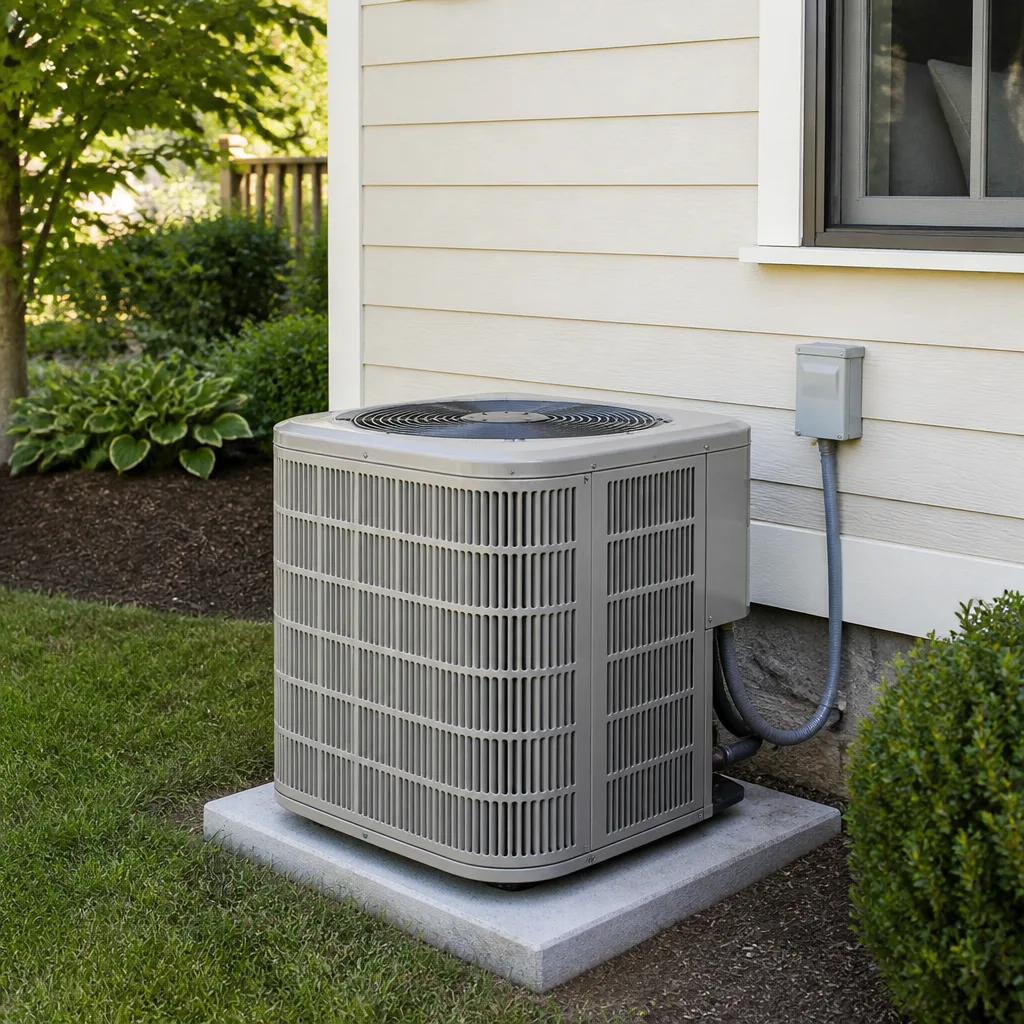 Carrier
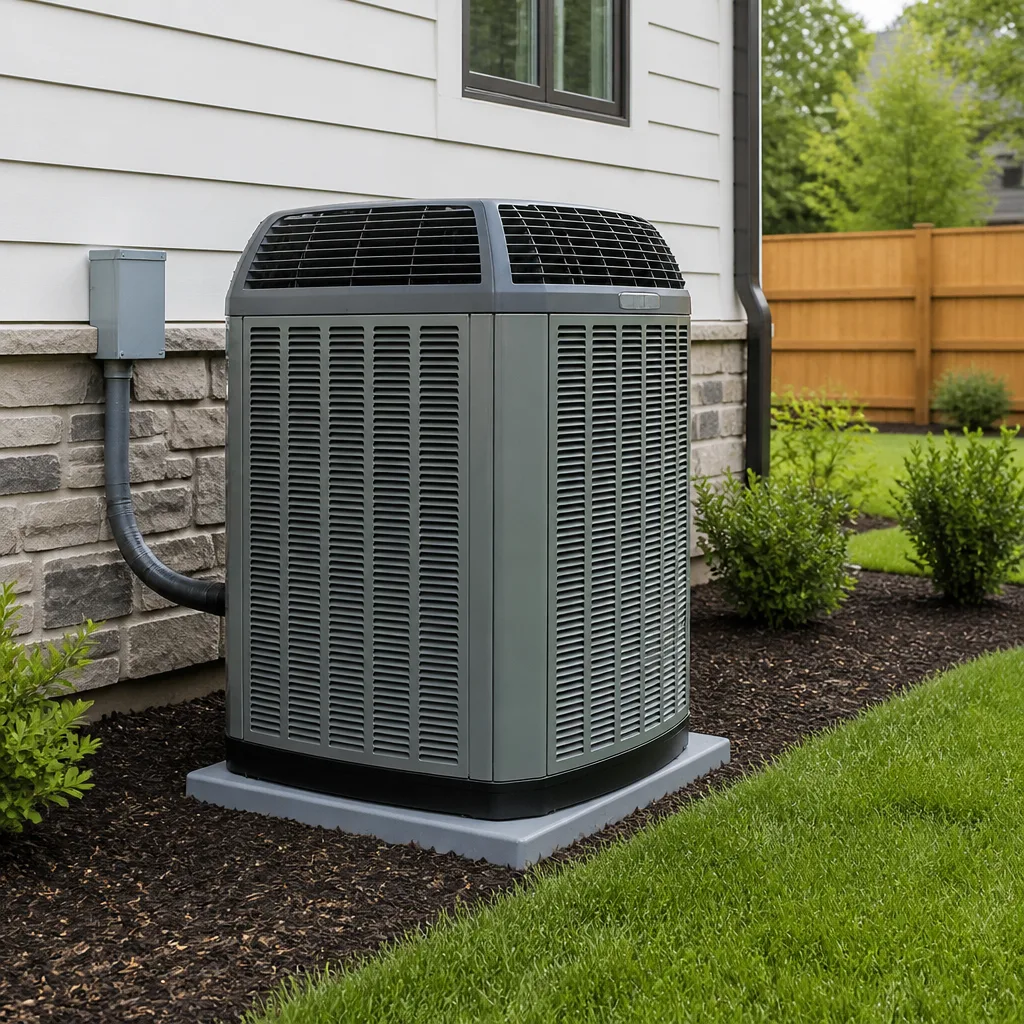 Trane
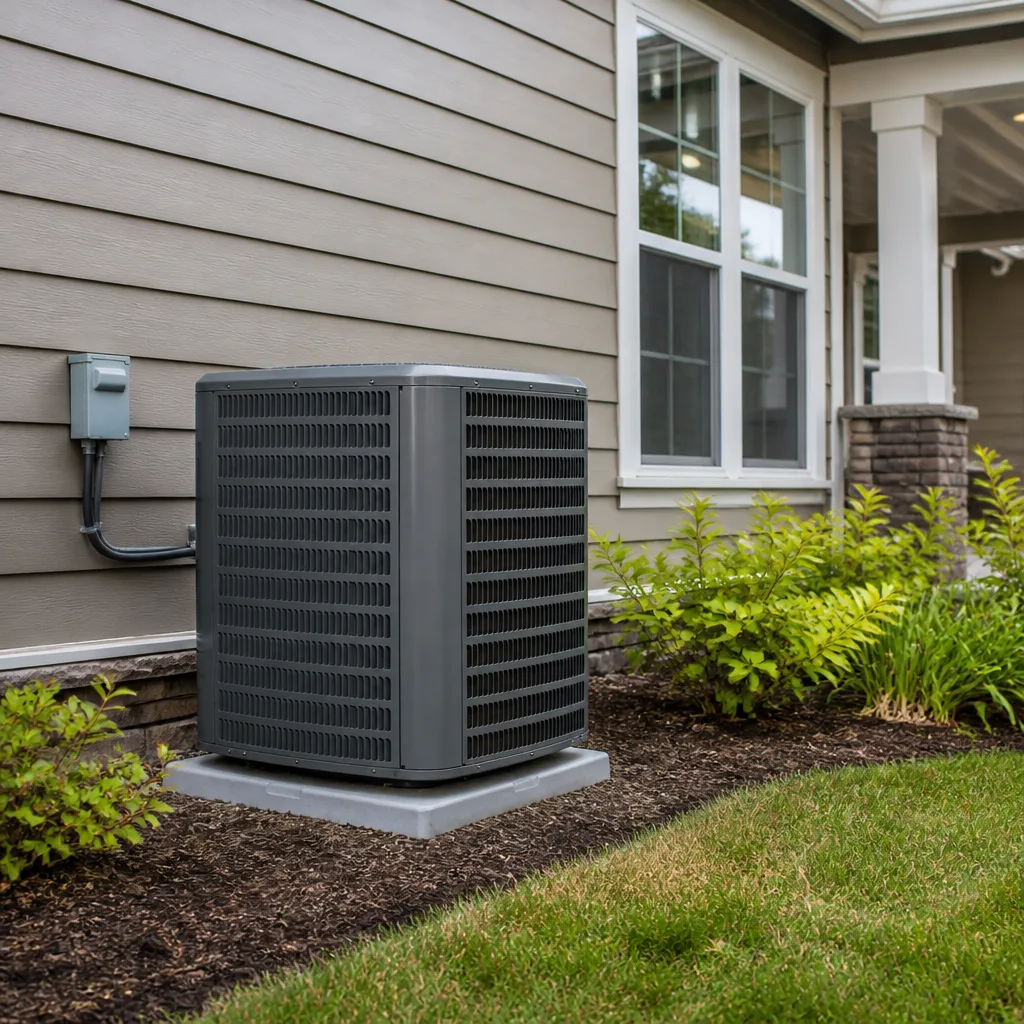 Goodman
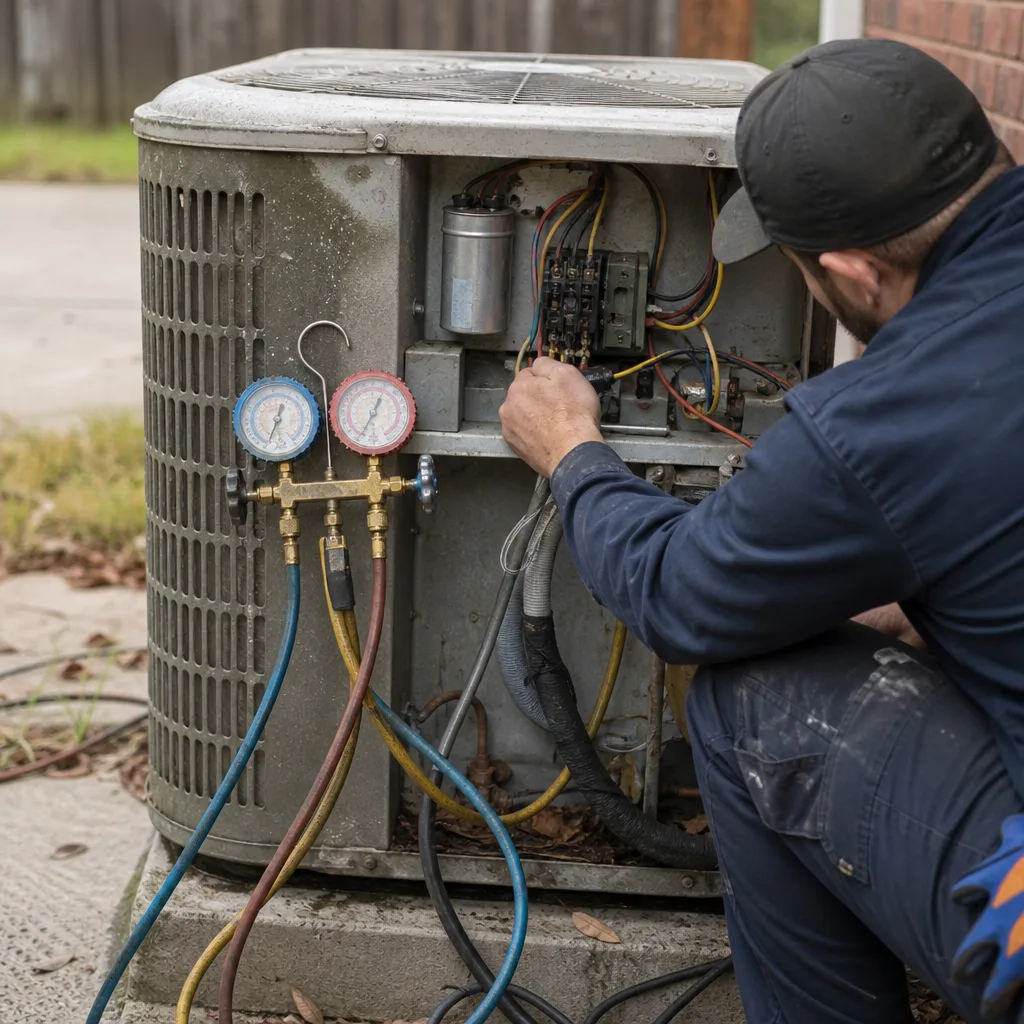
Seasonal tune-up and full diagnostic on your Carrier, Trane, or Goodman system - readings shown to you before any repair is proposed
Diagnosis first, numbers second - you approve the repair price before a single part goes in.
Get your free estimateChoosing the Right HVAC Brand: A Buyer’s Guide for Arlington
Most “best HVAC brand” lists you’ll find online are built from national data that averages climates together. A system that scores well in Seattle runs a very different life than one in Arlington, where cooling equipment is asked to hold a house at a set temperature through long stretches of extreme heat, logging far more compressor hours in a year than a mild-climate unit ever sees. That extra runtime stresses capacitors, contactors, and compressors at a rate national rankings simply can’t capture. So the brand question isn’t “which name wins a survey,” it’s “which platform is built for sustained high-load Texas summers, has parts close by, and has technicians who know it.” This guide walks through exactly how to weigh those factors for a home in Arlington.
Quick Answer
The right HVAC brand for an Arlington home is the one with strong local parts availability, technicians trained on its platform, and a performance profile built for high-ambient cooling load, not the one topping a national reliability survey. For most homes here, that means a well-regarded mainstream brand installed correctly by an experienced team beats a premium name installed poorly. Fit, install quality, and the labor warranty matter more than the badge on the cabinet.
Styles & brands we work with
- AC repair
- Furnace & heating
- Heat pumps
- Ductless mini splits
- Carrier
- Trane
- Goodman
Table of Contents
- Why national brand rankings mislead Arlington homeowners
- How to evaluate parts availability in the DFW market
- The performance specs that matter in Arlington’s heat
- An honest look at the brands serviced most in Tarrant County
- Why installer quality beats brand tier
- What brand warranties cover, and what they don’t
- A step-by-step way to choose a brand for your home
- Common mistakes to avoid
- When to call a professional
Why National Brand Rankings Mislead Arlington Homeowners
Reliability numbers get quoted as if a brand performs identically everywhere. It doesn’t. Cooling load is the variable that changes everything. A unit in a moderate climate might run roughly 800 hours in a season. A unit in Arlington can log 1,800 to 2,000 hours a year, and those hours happen under sustained high temperatures that push every component harder.
Think about what that means in practice. A compressor cycling thousands more times over a decade, capacitors charging and discharging through a longer cooling season, contactors opening and closing far more often. Components fail on accumulated runtime, not on calendar age. A brand whose failure profile looks fine in a cool market can show weak spots in Arlington simply because its parts are being asked to do more work.
That’s the core problem with national rankings. They average across climates, and averaging hides the thing you actually care about: how a system holds up when it’s stressed season after season. A brand that earns strong marks for temperate markets may have a meaningfully different record here, where heat is the constant.
What to look at instead
- High-ambient performance. How the equipment behaves when outdoor temps peak, not just at nominal test conditions.
- Parts locality. Whether common failure parts are on a distributor shelf in the DFW area or need a factory order.
- Technician density. How many technicians in the Arlington area are trained and familiar with the platform.
- Install standards. Whether the installing team is experienced with that specific brand’s requirements.
None of those factors show up in a national survey. All of them determine how your system actually performs in an Arlington summer. If you want the overview of how we approach this, start with Denali AC Repair and the way we think about brand-neutral service.
How to Evaluate Parts Availability in the DFW Market
This is the single most overlooked factor in brand selection, and it’s the one that decides how long a repair takes. A great brand with poor local parts distribution leaves you waiting on a factory shipment in the middle of summer. A common brand with deep distributor coverage in DFW gets you back to cooling fast.
Parts availability comes down to whether the components most likely to fail are stocked locally. In sustained heat, certain parts take the brunt. Capacitors, contactors, fan motors, and compressors are the usual suspects when a system goes down in an Arlington summer. The question is whether those parts sit on a distributor shelf in the metroplex or have to be ordered.
How to check parts availability for any brand
- Ask about common failure parts first. When you’re deciding on a brand, ask whether the local distributor network stocks capacitors, contactors, and fan motors for that platform. That’s the fast-moving inventory.
- Ask about compressor lead time. Compressors are the big-ticket part. If a failure needs one, how quickly can it arrive? A brand with a regional distribution presence shortens that wait.
- Ask where the nearest distributor is. A parts house in the DFW market is better than a factory order from out of state, full stop.
- Ask a technician who works on multiple brands. A brand-agnostic team sees which brands leave them waiting and which don’t. That’s practical insight a single-dealer salesperson won’t give you.
Why this matters more in Arlington
When the AC fails here, it’s rarely a mild inconvenience. A house can climb past comfortable temperatures in a hurry during a hot stretch, and nobody wants to wait days for a part. Parts locality is the difference between a same-day fix and a stretch of heat. We work on brands where the parts are close enough to keep a repair moving, and we’re honest when a platform tends to leave us waiting. If you’re weighing a replacement, our AC installation page covers how we approach a new system, parts included.
The Performance Specs That Matter in Arlington’s Heat
Most shoppers focus on SEER, the seasonal efficiency rating. SEER is a season-long average, and it’s useful for comparing energy use. But it doesn’t tell you how a system performs when it’s actually stressed, and in Arlington the stress is the whole story. Two specs tell you more about real-world behavior in this climate: EER and coil durability.
EER versus SEER
SEER averages efficiency across a cooling season, which includes milder shoulder months. EER is measured at a single high outdoor temperature, so it reflects what the system does at the peak. In a climate where the peak is long and hot, EER is the number that better predicts how the system behaves when you need it most. A unit with a strong SEER but a mediocre EER may save energy in a mild climate while working harder at the height of an Arlington summer. For a hot-climate home, look closely at EER, not just the SEER badge.
Coil corrosion resistance
The evaporator and condenser coils live under constant thermal cycling and, in a hot climate, near-constant runtime. Coil material and coating affect how long a coil lasts before leaks develop. Aluminum coils have become common; some platforms use treated or coated coils built for longer life under thermal stress. Because coil replacement is a major repair, it’s worth asking how a given brand builds its coils and how long they tend to hold up in a hot-load market. A technical team that’s opened a lot of units in Tarrant County has a real sense of this.
Compressor design for high-ambient operation
The compressor does the heavy lifting, and it runs far more hours here than in mild climates. Compressor design and the protection controls around it affect longevity. Look for a platform known for robust compressor protection, since accumulated runtime is what wears a compressor out.
What to prioritize
- EER for peak performance, since Arlington’s cooling load peaks are long.
- Coil build quality for resistance to corrosion and thermal wear.
- Compressor protection for the runtime this climate demands.
- Sizing done right, because an oversized system short-cycles and stresses itself.
Heating matters too, even with mild winters. A furnace that runs efficiently and is sized correctly keeps winter comfortable without overworking. Our furnace repair team sees how different platforms age, and that view informs how we weigh a brand for a full-system decision.
An Honest Look at the Brands Serviced Most in Tarrant County
We aren’t tied to a single manufacturer, which means we can tell you where each brand fits and where it has weak spots. The brands serviced most often in Tarrant County are Carrier, Trane, Lennox, Rheem, Goodman, and York. Here’s a plain assessment of how each tends to land for an Arlington home, based on what we see working on them.
Carrier
Carrier is a widely installed, well-supported platform with strong parts availability in the DFW market. It’s a solid choice for a homeowner who wants a mainstream brand with broad technician familiarity. Where it can fall short: as a premium-tier line, some configurations carry a higher price without a proportional runtime advantage in this climate, so the value depends on the specific model and the install.
Trane
Trane has a reputation for durable compressors and solid build quality, which suits sustained high-load operation. Parts are generally accessible in the metroplex. The honest caveat is cost: Trane often runs at the higher end, and the premium is only worth it if the installation is done to a high standard. A great Trane installed poorly performs worse than a mid-tier brand installed right.
Lennox
Lennox offers strong efficiency profiles and features some homeowners want. In a hot climate, its higher-efficiency models can make sense if peak performance is the priority. The tradeoff is that some Lennox parts can be slower to source locally than more common platforms, so it’s worth asking about parts lead times before committing.
Rheem
Rheem is a practical, widely serviced brand with good parts access and reasonable pricing. It tends to be a strong value choice for a homeowner who wants dependable cooling without a premium badge. It may not lead on peak-efficiency specs, but for many Arlington homes the fit-to-home value is strong.
Goodman
Goodman is common, budget-friendly, and well-supported for parts. It’s a frequent choice for value-focused replacements and tends to be easy to service. Where it lags: some configurations are built to a price point, so the component quality and feature set won’t match a premium line. Installed well, it does the job; the emphasis is on the install.
York
York is a mainstream platform with broad familiarity and reasonable parts access. It’s a workhorse choice that many technicians know well. Performance and value land in the middle of the pack, which for plenty of Arlington homes is exactly the right fit.
Beyond these, we’re also factory-familiar with Daikin, Bryant, and American Standard, so the recommendation can follow your home and budget rather than a dealer incentive. If you’re comparing systems across the metroplex, our Arlington page is a good starting point for how we serve the area.
Why Installer Quality Beats Brand Tier
Here’s the tradeoff most buyers get wrong: they weight the brand heavily and the installer lightly. It should be the other way around. A mid-tier brand installed correctly by an experienced team will outperform a premium brand installed poorly, and it’s not close. Installation sets the system’s baseline, and no brand name compensates for a bad one.
What does correct installation involve? Sizing the system to the home’s actual load, not just matching the old unit’s tonnage. Proper refrigerant charge. Correct airflow. A duct system that can actually deliver the capacity the equipment produces. Sealed, insulated lines. If any of those are wrong, even top-shelf equipment underperforms and wears out faster. A system that’s overcharged or starved for airflow runs hotter and dies sooner, no matter whose name is on the cabinet.
Why this matters even more in Arlington
In a hot-load climate, installation errors compound. A system that’s slightly undersized or short on airflow works harder every single hour of a long cooling season. That extra stress adds up over years. An installer who understands high-ambient operation builds the system to handle it. An installer who treats every job the same doesn’t.
How to weight the tradeoff
- Ask how sizing is determined. A proper load calculation, not a guess based on square footage alone.
- Ask who’s doing the install. You want an experienced team that knows the brand’s specific requirements.
- Ask how airflow is verified. A system that’s charged and sized right but starved for airflow still fails early.
- Then compare brands. Once you trust the installer, the brand decision becomes about fit, parts, and warranty, not rescue.
Full-system work is where this shows up most. A team that handles furnace replacement and new AC installation understands how systems are built from the ground up, not just patched. That perspective is what you want when you’re deciding which brand goes into your home.
What Brand Warranties Cover, and What They Don’t
Brand warranties almost always cover parts, not labor. That distinction is the one buyers miss, and it’s the number that matters most in the first five years. A parts warranty means the manufacturer replaces a failed component. It doesn’t mean you avoid a bill. The labor to diagnose, access, and replace that part is on you unless there’s a separate labor warranty.
Why does labor dominate the early years? Because most failures in the first five years are the fast-moving parts we talked about earlier: capacitors, contactors, fan motors, and occasionally a compressor. The parts may be covered. The labor to get to them usually isn’t. That’s why a strong labor warranty is often worth more than a slightly longer parts warranty.
What to check on a warranty
- Parts coverage length and what it includes. Compressor coverage often differs from the rest of the parts.
- Labor coverage. Is there a separate labor warranty? For how long? This is the key number.
- Registration requirements. Many manufacturers require the unit to be registered to activate the full warranty term. Miss it and coverage can shorten.
- Maintenance conditions. Some warranties require documented maintenance to keep coverage valid. Know the terms.
- Exclusions. Cosmetic damage, certain components, and improper installation are commonly excluded. Read the fine print.
We can’t state specific warranty terms here because they vary by brand and model, but we’ll walk you through what a given unit’s warranty actually covers before you commit. That’s part of the honest-math conversation: repair or replace, and what each path costs you over the first five years once you weigh parts coverage against labor.
A Step-by-Step Way to Choose a Brand for Your Home
Here’s a practical order of operations for an Arlington homeowner. Work through these in sequence and the brand decision becomes clear.
- Start with a load calculation, not a brand. Before you pick a name, find out what capacity your home actually needs. Sizing comes first; brand comes after.
- Check parts availability for the brands you’re considering. Ask about local distributor stocking for capacitors, contactors, fan motors, and compressors. Fast-moving parts on a local shelf beat factory orders.
- Weigh EER and coil build, not just SEER. Peak performance and coil durability matter more here than a season-long efficiency average.
- Confirm technician familiarity. How many technicians in the area are trained on the platform? A widely serviced brand means more people who can fix it.
- Read the warranty terms, especially labor. Compare parts coverage, labor coverage, and registration conditions side by side.
- Evaluate the installer as carefully as the brand. A correct install by an experienced team is the biggest single factor in how the system performs.
- Get a written estimate. Pricing is set per job by the written estimate. Compare real numbers, then decide.
Notice what isn’t on that list: national brand rankings. They’re a starting point at best, and a misleading one at worst for a hot-climate home. The decision should follow your home’s load, the local parts landscape, and the quality of the install.
Common Mistakes to Avoid
- Buying on national rankings alone. A brand that scores well in mild climates may have a different failure profile under Arlington’s sustained heat load. Rank the platform by parts locality and peak performance, not by a survey that averages climates.
- Ignoring parts availability. A premium brand with slow local parts stocking leaves you waiting when a capacitor or motor fails in July. Check distributor coverage in the DFW market before you commit.
- Weighting SEER and ignoring EER. SEER averages across a season; EER reflects peak behavior. In a climate this hot, peak performance is the number that matters. Don’t shop SEER alone.
- Assuming the brand is the whole decision. A mid-tier brand installed correctly outperforms a premium brand installed poorly. Weight the installer heavily.
- Skipping the load calculation. Buying on square footage or matching the old unit’s tonnage is how homes end up with oversized systems that short-cycle and wear out. Size to the actual load.
- Reading only the parts warranty. Labor is what you actually pay when a covered part fails. Ask about the labor warranty before you buy.
- Letting a dealer incentive decide for you. A company that pushes a single brand is selling, not advising. Choose a team that services multiple platforms and recommends based on your home.
See the difference
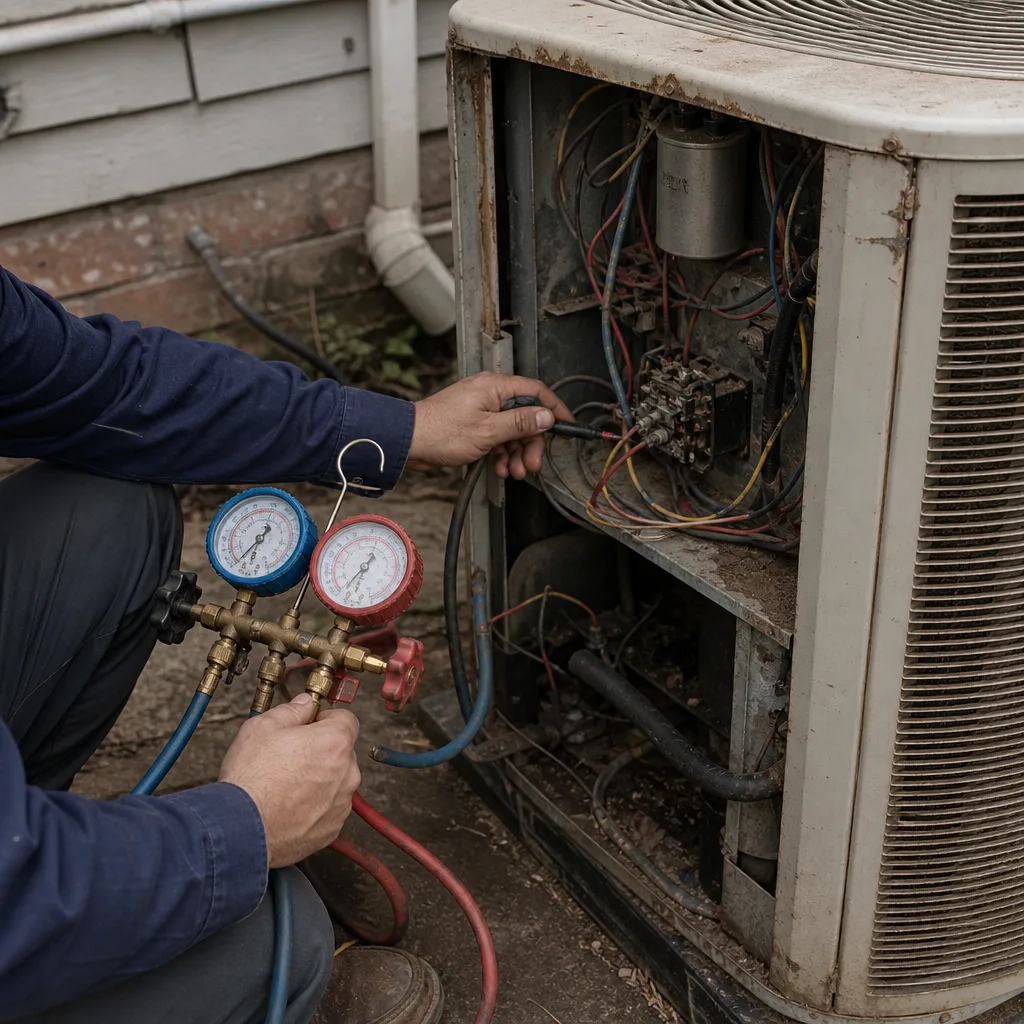
 Before
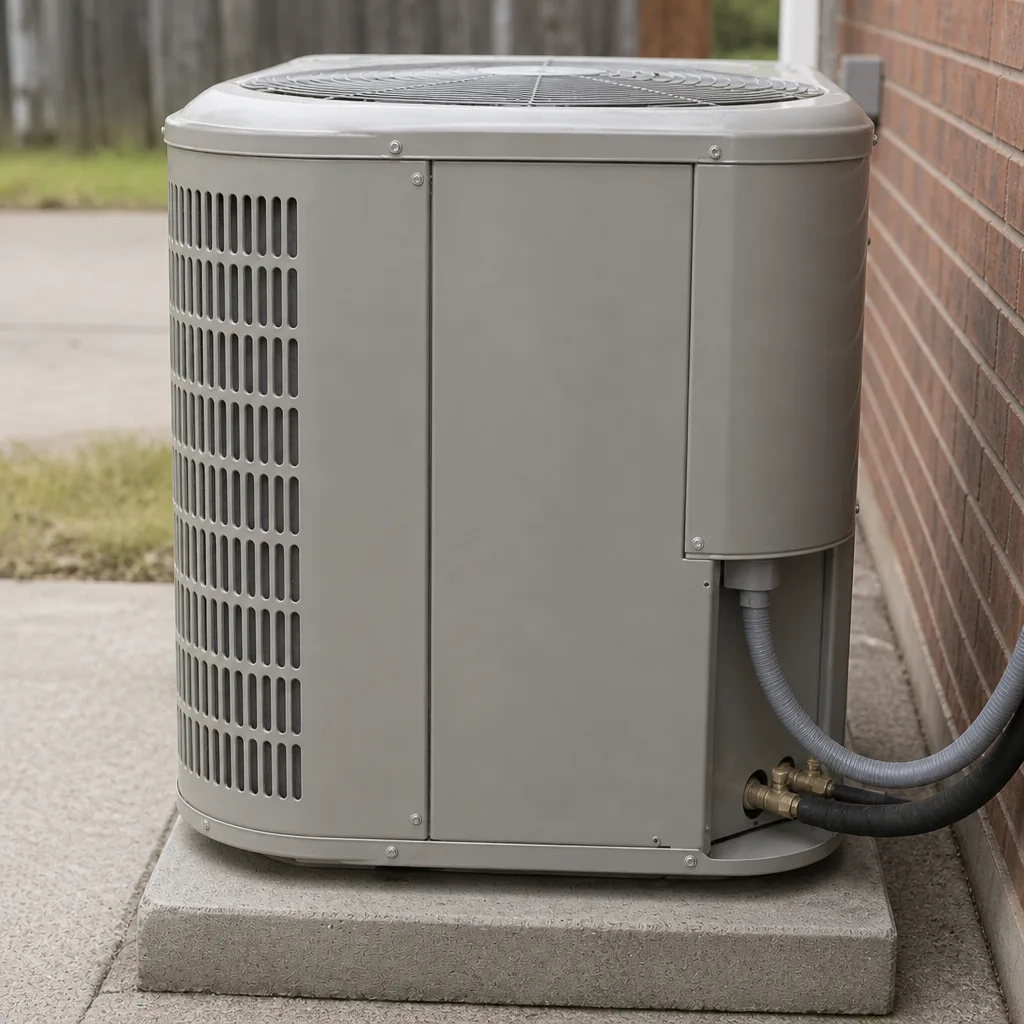 After
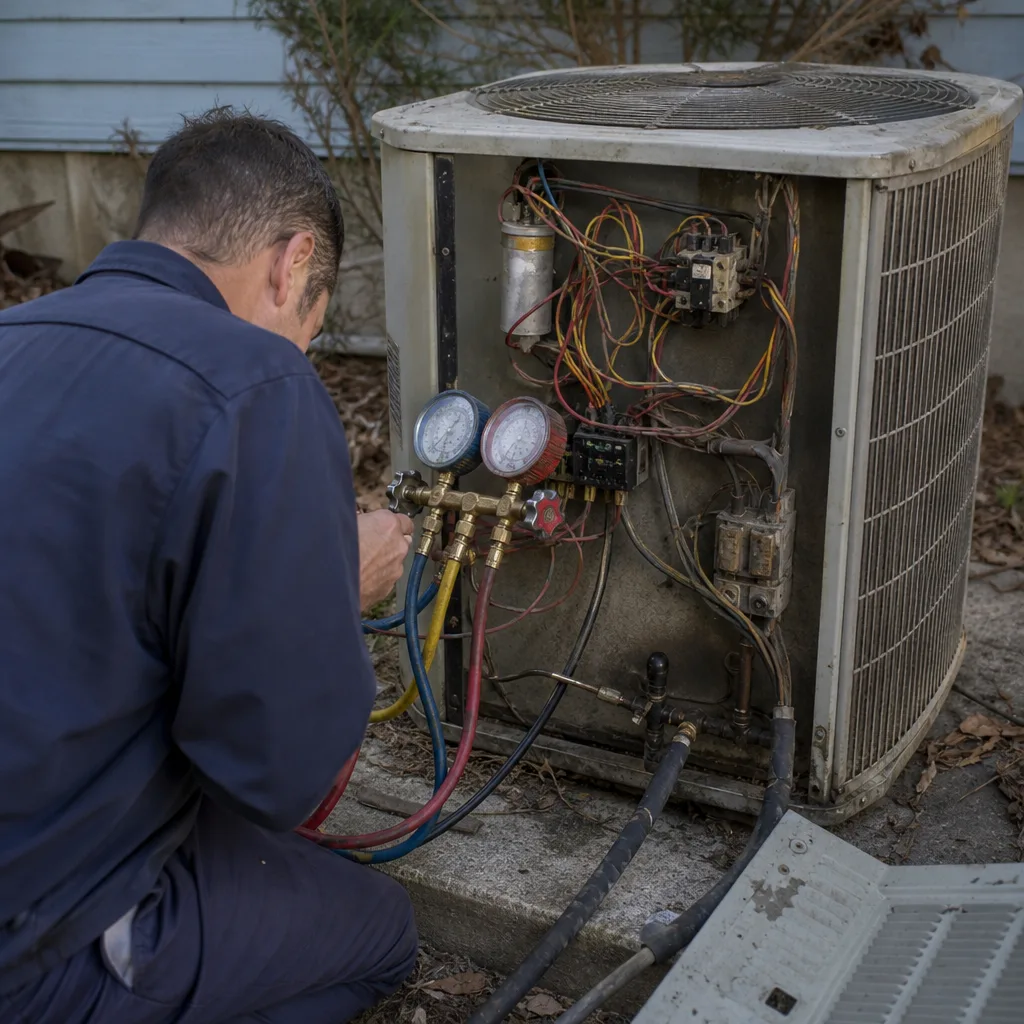
 Before
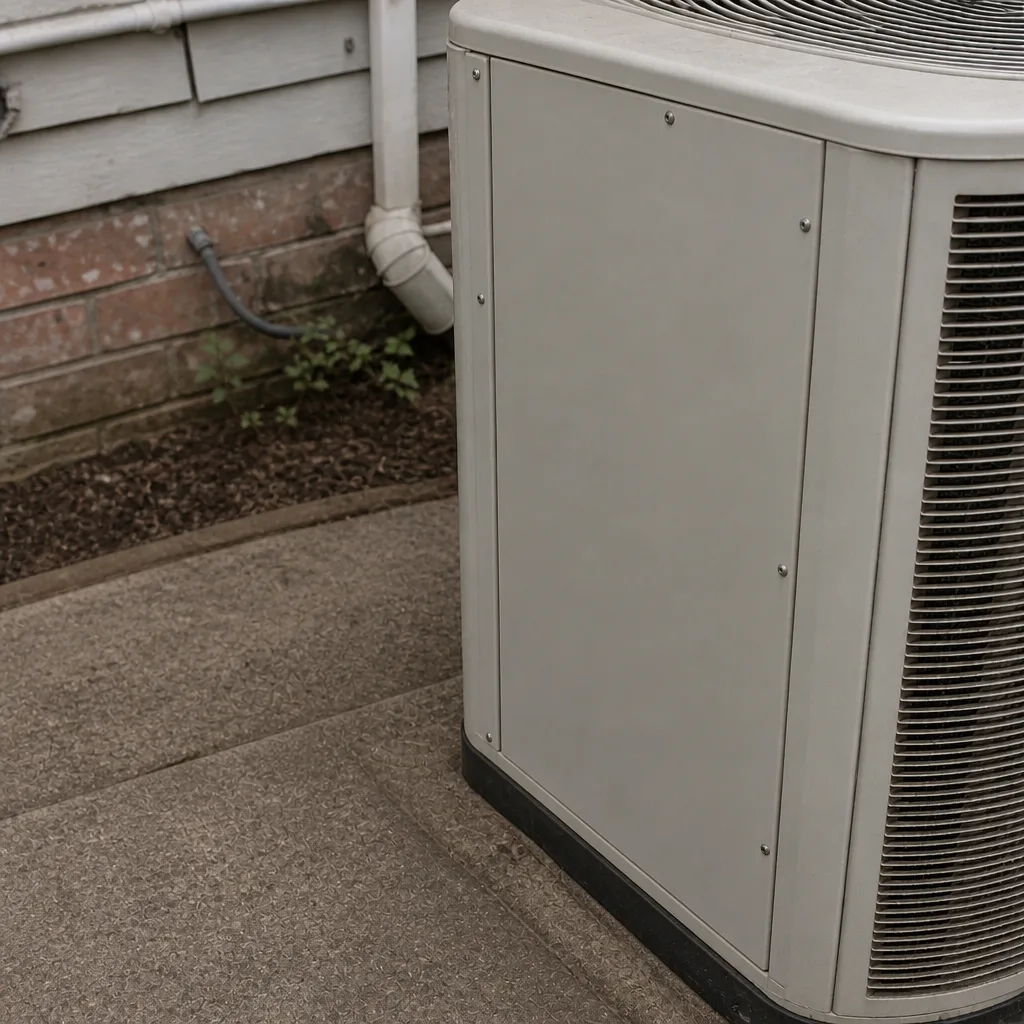 After
 Before
 After
When to Call a Professional
Some decisions you shouldn’t make alone. If your system is failing in a hot stretch and you need a straight answer on repair versus replacement, that’s a call. If you’re weighing a brand for a new install and want to know what’s actually available and serviceable in Arlington, that’s a call. If a technician has quoted a repair and you want a second opinion on whether the part and labor math makes sense, call. If you’re choosing a furnace and want it matched to a cooling system you already own, call. And if a brand you’re considering has slow parts access here, we’ll tell you plainly. Denali AC Repair offers free estimates in Arlington. Call (888) 604-8863. We answer 24/7. Fast dispatch from 7am to 7pm, Sunday through Friday.
Frequently Asked Questions
There’s no single best brand for Arlington, because the right choice depends on your home’s cooling load, local parts availability, and install quality more than the badge. For most homes here, a mainstream brand with strong DFW parts coverage and an experienced installer outperforms a premium name installed poorly. We recommend based on your home and budget, not a dealer incentive. Call (888) 604-8863 for a free estimate.
National rankings average performance across every climate, which hides how a system behaves under sustained high heat. Arlington systems can run 1,800 to 2,000 hours a year versus far fewer in mild markets, and that accumulated runtime stresses parts at a different rate. Rank a brand here by peak performance and parts locality, not by a survey that mixes climates together.
Yes, it’s one of the most important factors and the one most buyers overlook. A great brand with poor local parts stocking leaves you waiting on factory orders when a capacitor, contactor, or motor fails during a hot stretch. A common brand with deep DFW distributor coverage gets you back to cooling faster. We’ll tell you which platforms keep parts close and which don’t. Call (888) 604-8863 to talk it through.
Look at labor coverage, not just parts. Brand warranties typically cover the failed part but not the labor to diagnose and replace it, and labor is what you actually pay in the first five years. Ask about labor warranty length, parts coverage (compressor terms often differ), and registration requirements. We walk you through a given unit’s warranty before you commit.
It can be, but only if the installation is done to a high standard. A premium brand installed poorly performs worse than a mid-tier brand installed right, and that gap shows up faster in a hot-load climate. If you’re paying a premium, weight the installer as heavily as the brand, then compare parts coverage and peak performance. Free estimates are available: (888) 604-8863.
We service nine of the most widely installed brands and don’t have exclusive dealer agreements, so recommendations follow your home’s needs rather than a manufacturer incentive. We’ll tell you where each brand fits and where it has weak spots. Call (888) 604-8863 and we’ll give you a straight answer.
The Bottom Line
Choosing an HVAC brand for an Arlington home should follow the home, not the survey. The factors that actually decide how a system performs here are parts availability in the DFW market, technician familiarity, peak performance specs like EER and coil build, and, above all, the quality of the installation. A mid-tier brand installed correctly by an experienced team beats a premium brand installed poorly, and a strong labor warranty often matters more than a longer parts warranty. We service Carrier, Trane, Lennox, Goodman, Rheem, York, Daikin, Bryant, and American Standard without a single-brand agenda, so the recommendation fits your house and your budget. Our technicians have up to 10 years of experience. If you want a straight answer on brand, repair, or replacement, call (888) 604-8863 for a free estimate. We answer 24/7. Fast dispatch from 7am to 7pm, Sunday through Friday.
Written by the team at Denali AC Repair.