
Last updated November 15, 2026
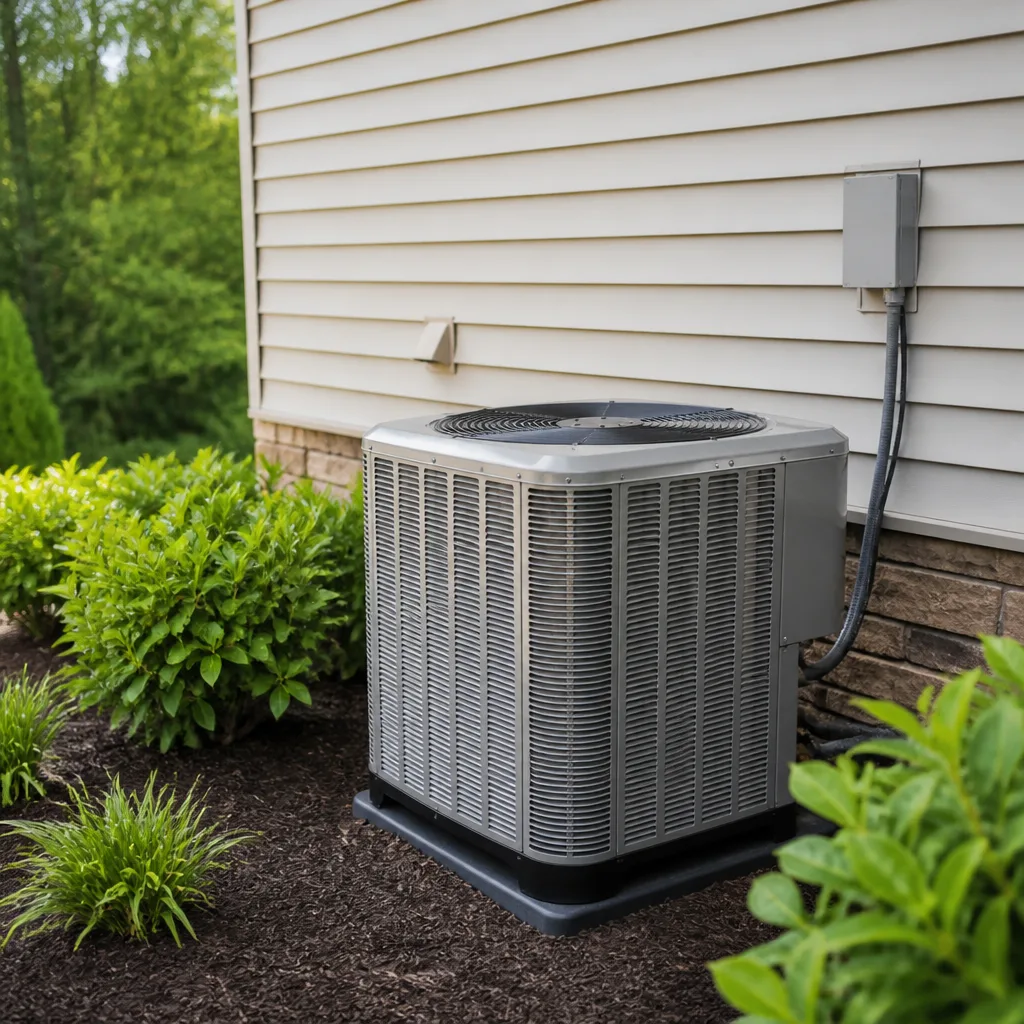 AC repair
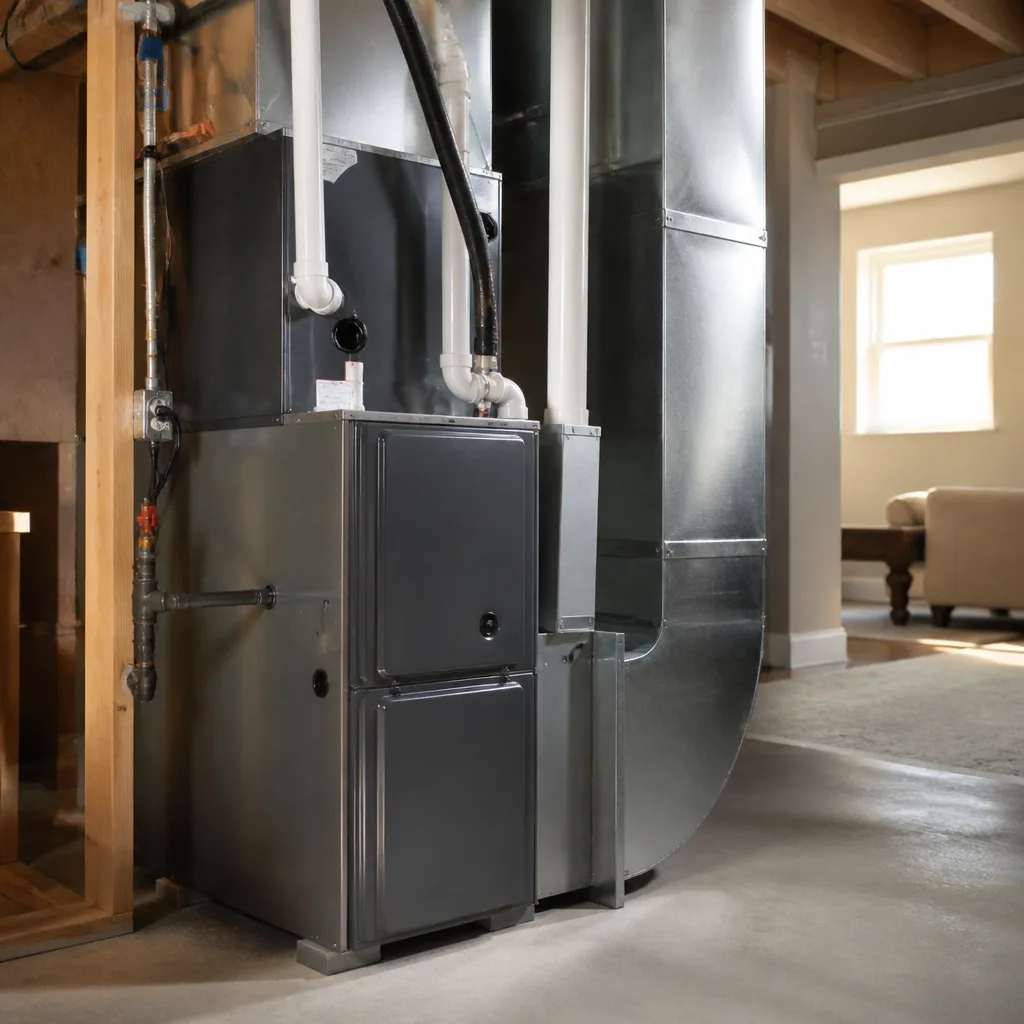 Furnace & heating
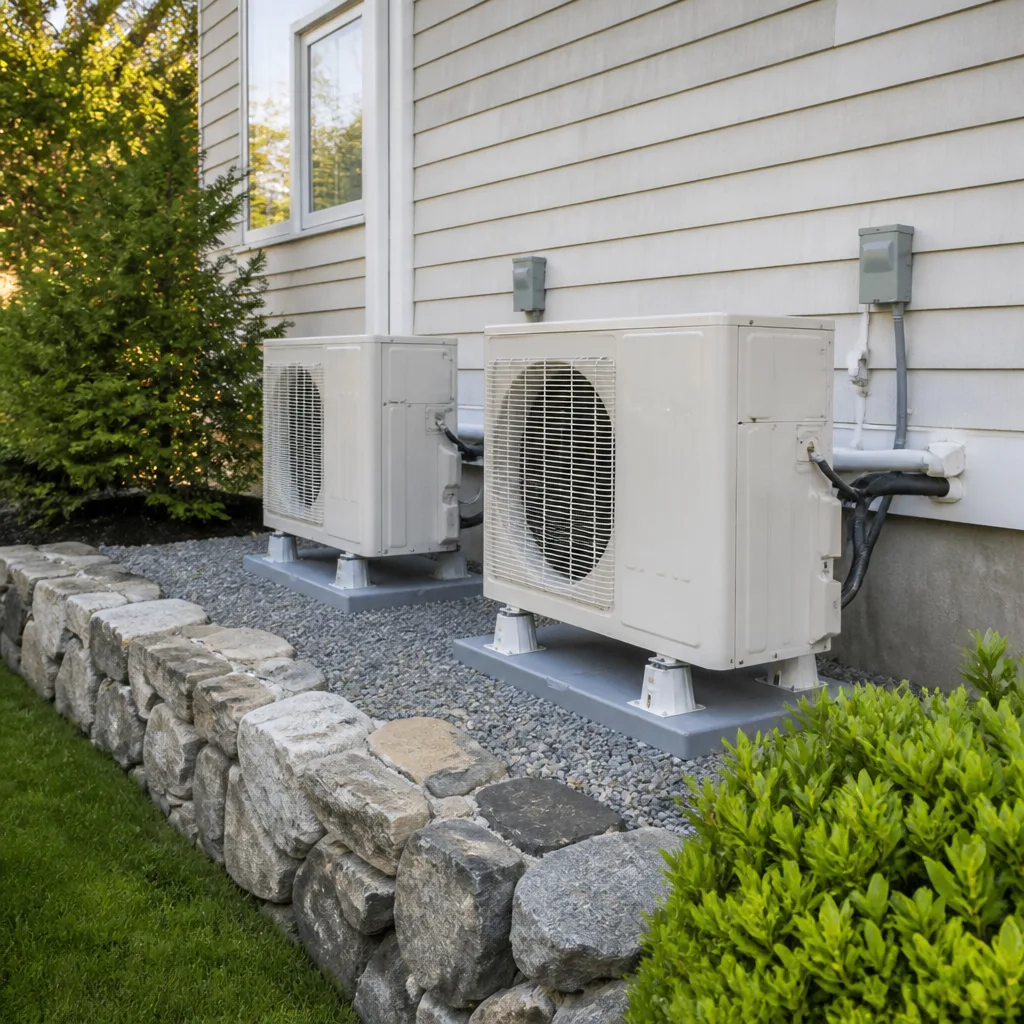 Heat pumps
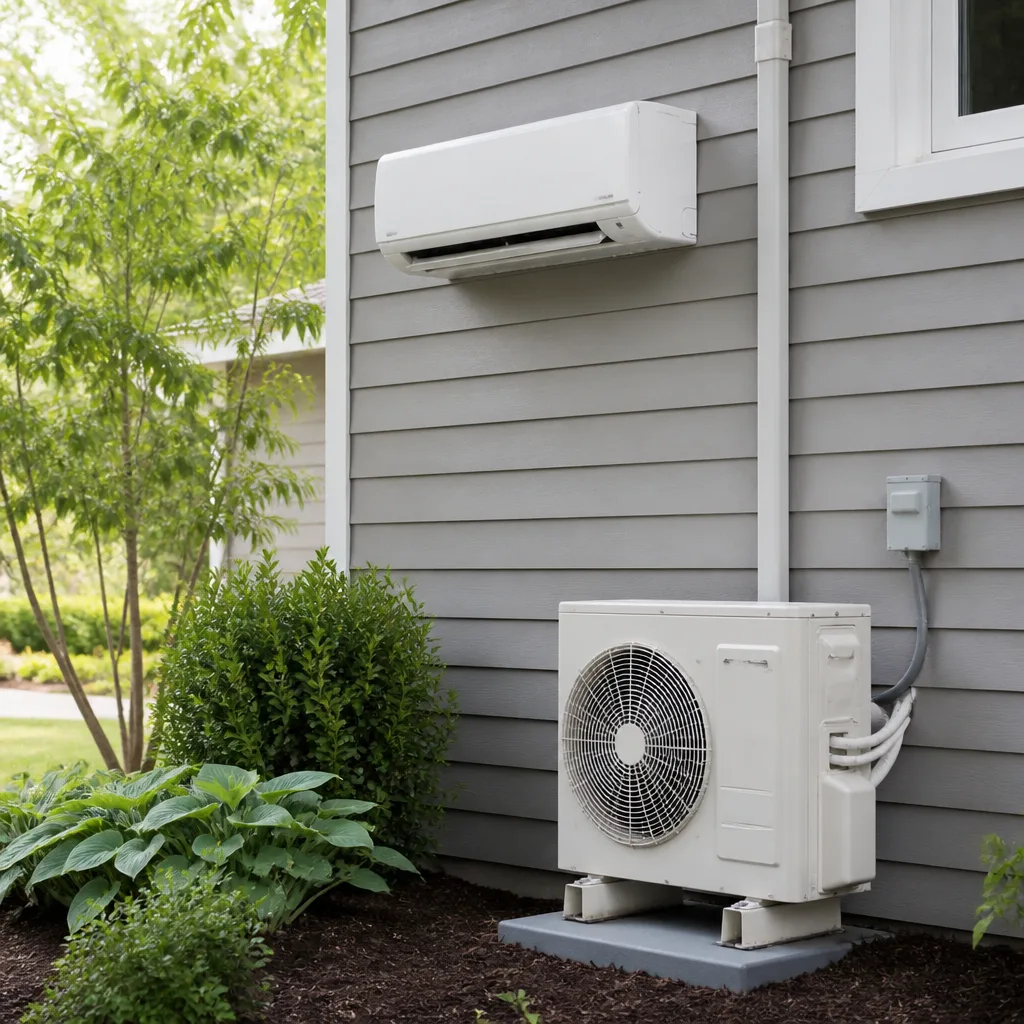 Ductless mini splits
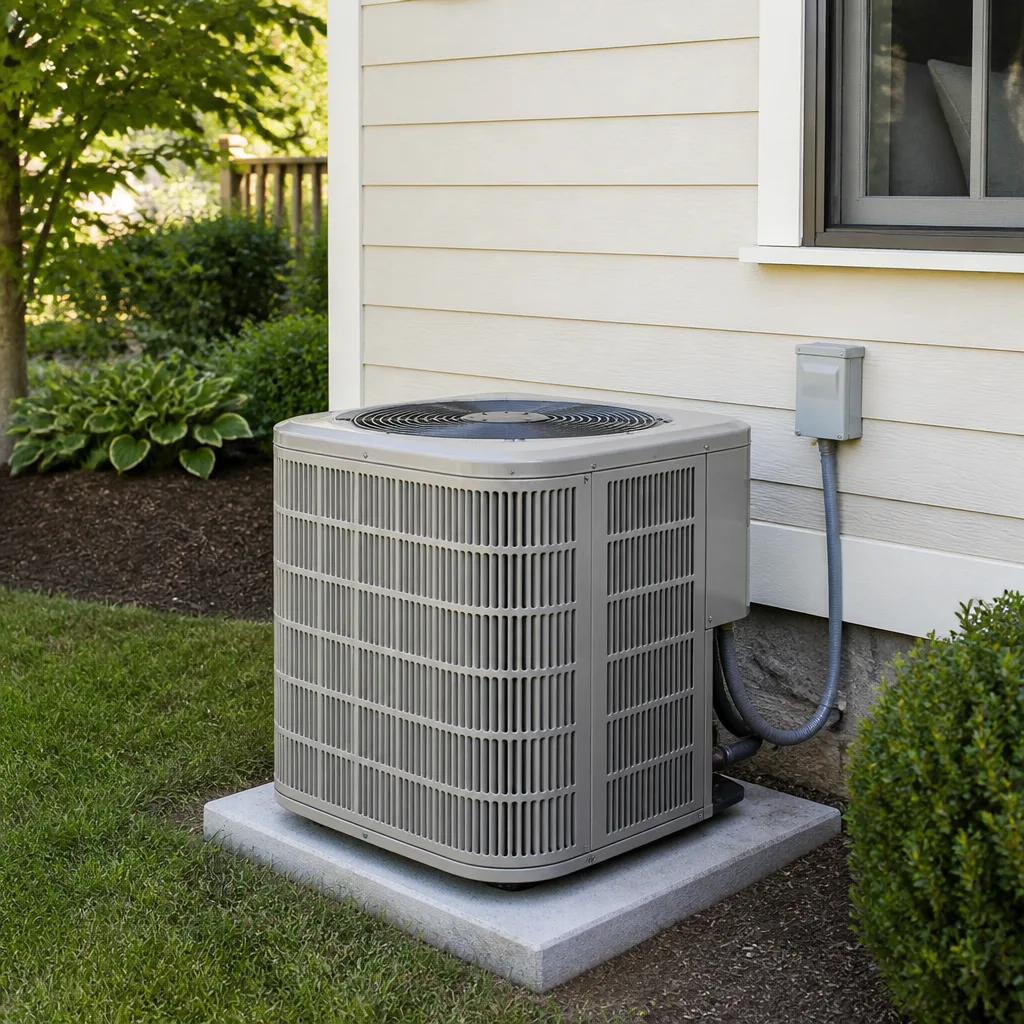 Carrier
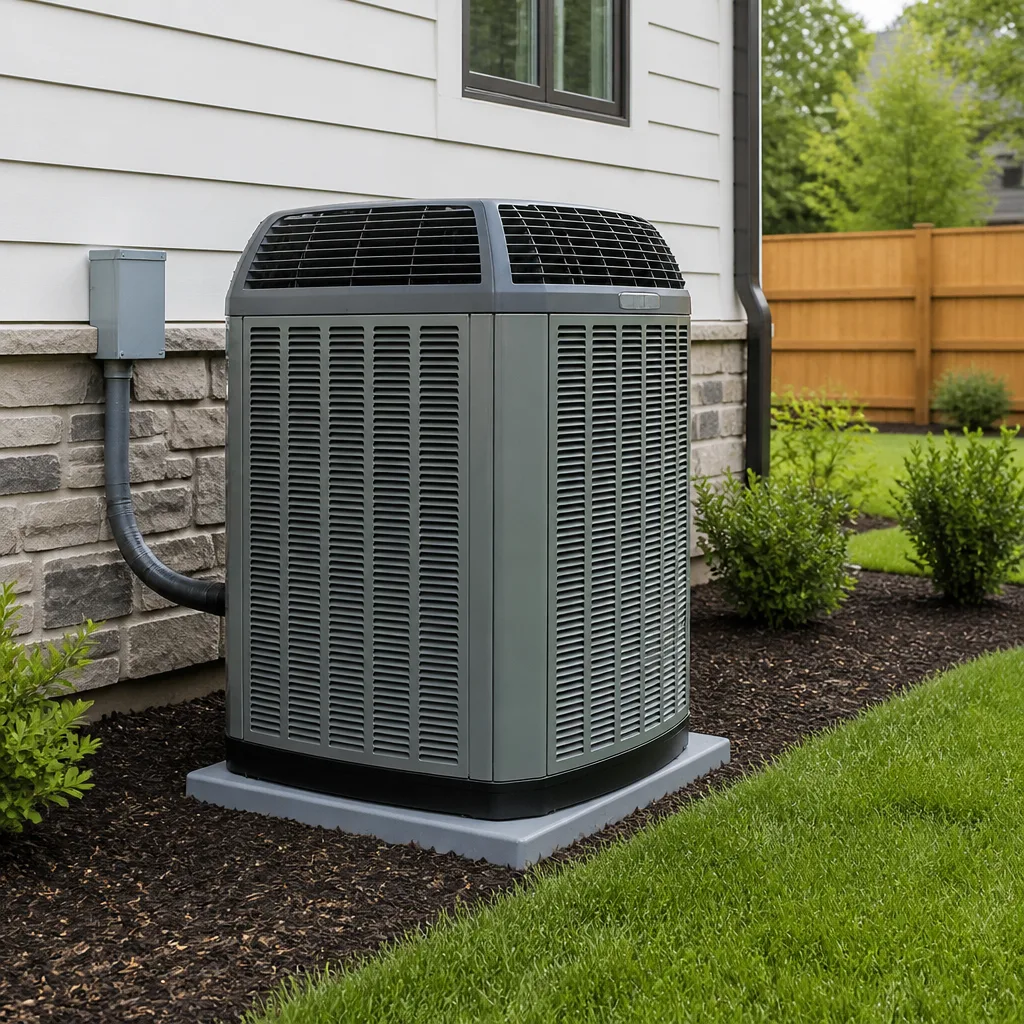 Trane
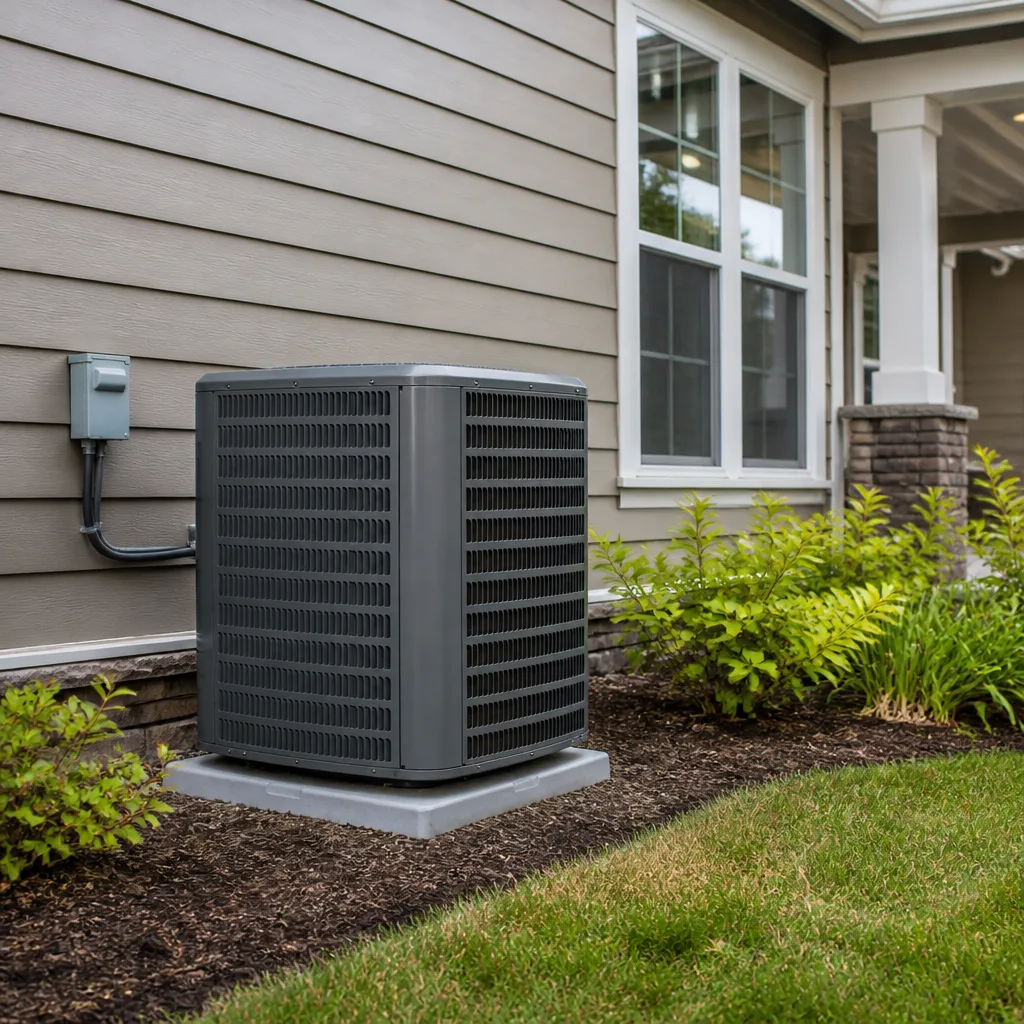 Goodman
Seasonal tune-up and full diagnostic on your Carrier, Trane, or Goodman system - readings shown to you before any repair is proposed
Diagnosis first, numbers second - you approve the repair price before a single part goes in.
Get your free estimateSeasonal HVAC Care for Arlington: Year-Round Homeowner’s Guide
Most HVAC advice you’ll find online was written for a place with four tidy seasons. Arlington doesn’t work that way. Our year splits into two demand peaks (a long, humid cooling season and a shorter but intense heating stretch) with narrow transition windows in between. The gap between the last genuinely cold morning and the first 95-degree afternoon can run as little as five weeks, which means a spring tune-up you book when you finally think of it may already be behind schedule. This guide maps heating and cooling care to Arlington’s actual climate rhythm, month by month, so you’re prepping for the next season before it arrives, not catching up after it does.
Quick Answer
In Arlington, HVAC care should follow two preparation windows, not four seasons: schedule cooling prep in late February through March (before the first sustained heat) and heating prep in October through early November (before the first hard cold snap). The tasks that matter most here are coil and condensate-drain cleaning in summer, heat exchanger inspection in fall, and airflow and thermostat adjustments during the two shoulder seasons when neither heating nor cooling runs full-time.
Styles & brands we work with
- AC repair
- Furnace & heating
- Heat pumps
- Ductless mini splits
- Carrier
- Trane
- Goodman
Table of Contents
- Why Arlington’s HVAC Calendar Has Two Peaks, Not Four Seasons
- The Arlington Month-by-Month HVAC Task Calendar
- Spring Cooling Prep: The Window That Closes Fast
- Summer Maintenance: Heat, Humidity Spikes, and Hard Water
- Protecting the Outdoor Condenser During North Texas Ice Storms
- Fall Furnace Prep: Why Heat Exchanger Inspection Leads the List
- Shoulder-Season Thermostat and Airflow Adjustments
- Winter Heating Care and the Mild-Weather Trap
Why Arlington’s HVAC Calendar Has Two Peaks, Not Four Seasons
National maintenance checklists assume a gentle spring and a gentle fall, with heating and cooling each getting a slow ramp-up. Arlington hands you something different: a cooling season that dominates the year and a heating season that arrives fast, runs hard in short bursts, and then relaxes. That pattern changes what “seasonal care” actually means. Your air conditioner isn’t a summer appliance here so much as a nine-month workhorse, and your furnace is less a marathon runner than a sprinter asked to perform on short notice.
Two consequences follow. First, cooling equipment wears faster in Arlington than the manufacturer’s generic service interval assumes, because it logs far more runtime hours per year. Second, heating equipment sits idle long enough that problems develop quietly, then surface on the first cold night when the system is asked to do real work. A furnace that ran fine last February can fail on the first cold snap of the next one simply because nobody looked at it during the nine months in between.
The preparation windows are correspondingly narrow. Spring cooling prep has to happen before the first sustained heat, and fall heating prep has to happen before the first hard cold. Miss either window and you’re not maintaining on a schedule, you’re repairing under pressure. That’s the logic behind everything that follows in this guide.
If you’re new to the area, this rhythm is one of the practical things worth knowing about living in Arlington. It shapes when you should be calling for service, not just whether you should.
What “two peaks, two transitions” actually looks like
- Peak cooling (roughly May through September): Long runtime hours, high outdoor humidity, and the season when coil and drain problems surface.
- Fall transition (roughly October into November): The window to inspect and prepare heating equipment before the first hard cold.
- Peak heating (roughly December through February): Short but intense demand cycles, where a marginal furnace will show its weakness.
- Spring transition (roughly late February into March): The narrow window to prep cooling before heat onset. This is the one homeowners most often miss.
The Arlington Month-by-Month HVAC Task Calendar
Here’s the calendar we’d hand a homeowner who wants to stay ahead of the two-peak pattern rather than react to it. Treat the months as windows, not fixed dates, since Arlington weather varies year to year. What matters is the sequence: cooling prep before heat, heating prep before cold, and system checks during the transitions when neither runs constantly.
- January: Peak heating. Watch for uneven room temperatures or a system that runs continuously on cold mornings. Note any unusual smells at startup, which can point to a heat exchanger concern worth inspecting.
- February: Book your spring cooling appointment now, before the scheduling crunch. Replace the air filter. Clear anything stored against the outdoor condenser.
- March: Cooling prep. Coil cleaning, condensate drain check, refrigerant and electrical inspection. This is the month the gap between cold and heat closes fastest.
- April: First real cooling demand. Confirm the system holds temperature across the house. Check that the drain pan is emptying properly.
- May through August: Peak cooling. Monthly filter changes, drain line checks, and attention to humidity indoors. Watch for a system that runs longer than it used to.
- September: Late cooling season. Note any performance drift before the system turns off for the year, so fall repairs aren’t a scramble.
- October: Heating prep. Heat exchanger inspection, ignition and safety checks, and a full airflow review before the first cold snap.
- November: First heating demand. Confirm the system starts reliably and heats evenly. If it struggled last winter, address it now rather than waiting for the first freeze.
- December: Peak heating begins. Keep filters fresh, keep vents clear, and listen for new sounds at startup.
You’ll notice the two most important months, February and October, are the ones where you’re preparing for a season that hasn’t arrived. That’s the whole point of a climate-rhythm approach.
Why this calendar beats a generic spring/fall checklist
A national checklist tells you to “service your AC in spring and your furnace in fall,” which is directionally right but timing-blind. In Arlington, “spring” for cooling purposes means late February through March, not April or May. By April, you’re already in the first cooling demand. The same is true on the heating side: “fall” means October, not the week before Thanksgiving, because the first hard cold can arrive before you’ve scheduled anyone.
Spring Cooling Prep: The Window That Closes Fast
Spring is the shortest and most consequential window on Arlington’s HVAC calendar. Cooling equipment that enters the first heat wave with a dirty coil, a slow drain, or a borderline refrigerant charge will limp through the entire cooling season, running longer, using more energy, and building toward a mid-August breakdown at the worst possible moment. Prep done in the window prevents that drift.
Cooling prep isn’t a single task, it’s a sequence, and doing it in the wrong order wastes the work. Here’s how we approach it:
- Airflow first. Filters, return grilles, and any supply registers blocked by furniture. Restricted airflow stresses every component downstream, so it gets checked before anything else.
- Coil cleaning. Both the indoor evaporator coil and the outdoor condenser coil. In Arlington’s humid climate, the indoor coil collects dust and biological growth, and a fouled coil is one of the most common reasons a system loses cooling capacity.
- Condensate drain check. The drain line and pan are inspected for flow and cleared before the season. A clogged drain in summer can cause water damage and, in some setups, a shutdown.
- Refrigerant and electrical inspection. Charge verification and a look at the electrical connections and capacitors that carry the load all season.
- Thermostat calibration. Confirm the thermostat reads and controls temperature accurately, especially if you’ve changed settings over the winter.
If your system is older or you’ve noticed performance drift over recent summers, spring is also the honest moment to have a repair-or-replace conversation. New AC installation is ordered and scheduled work, not something to arrange once the house is already hot, so the decision is far easier to make calmly in March than in July.
What to check without opening anything
You don’t need tools to do the useful part. Before a technician arrives, or between visits, you can check that the outdoor condenser is clear of debris and vegetation, that filters are fresh, that the drain pan is empty, and that your thermostat holds the temperature you set. Those four checks catch a surprising share of developing problems early. Anything involving the refrigerant circuit, electrical components, or the coil interior should be left to a trained technician, since those involve pressure, voltage, and refrigerants that aren’t safe to handle without the right training.
Summer Maintenance: Heat, Humidity Spikes, and Hard Water
Arlington summers combine high heat, sharp humidity spikes, and hard water, and that trio hits the cooling system in specific, predictable ways. Understanding them tells you where to focus your summer attention rather than doing a generic once-over.
Heat raises runtime, which raises wear. Humidity spikes stress the system’s ability to remove moisture, and a system that’s overworked on dehumidification can leave the house feeling clammy even when the thermostat reads cool. Hard water affects the condensate drain, where mineral deposits build up and narrow the line over time. That’s a slow problem that turns into a fast one, a drain that flowed fine in May can clog by August.
What’s worth your attention each summer:
- Filters, monthly. High summer runtime loads a filter fast. A clogged filter is the most common cause of cooling complaints we see.
- Drain line and pan. A monthly glance at the pan. If it holds water, the drain is struggling.
- Humidity indoors. If the house feels damp at a normal thermostat setting, the system may be short-cycling or running low on charge.
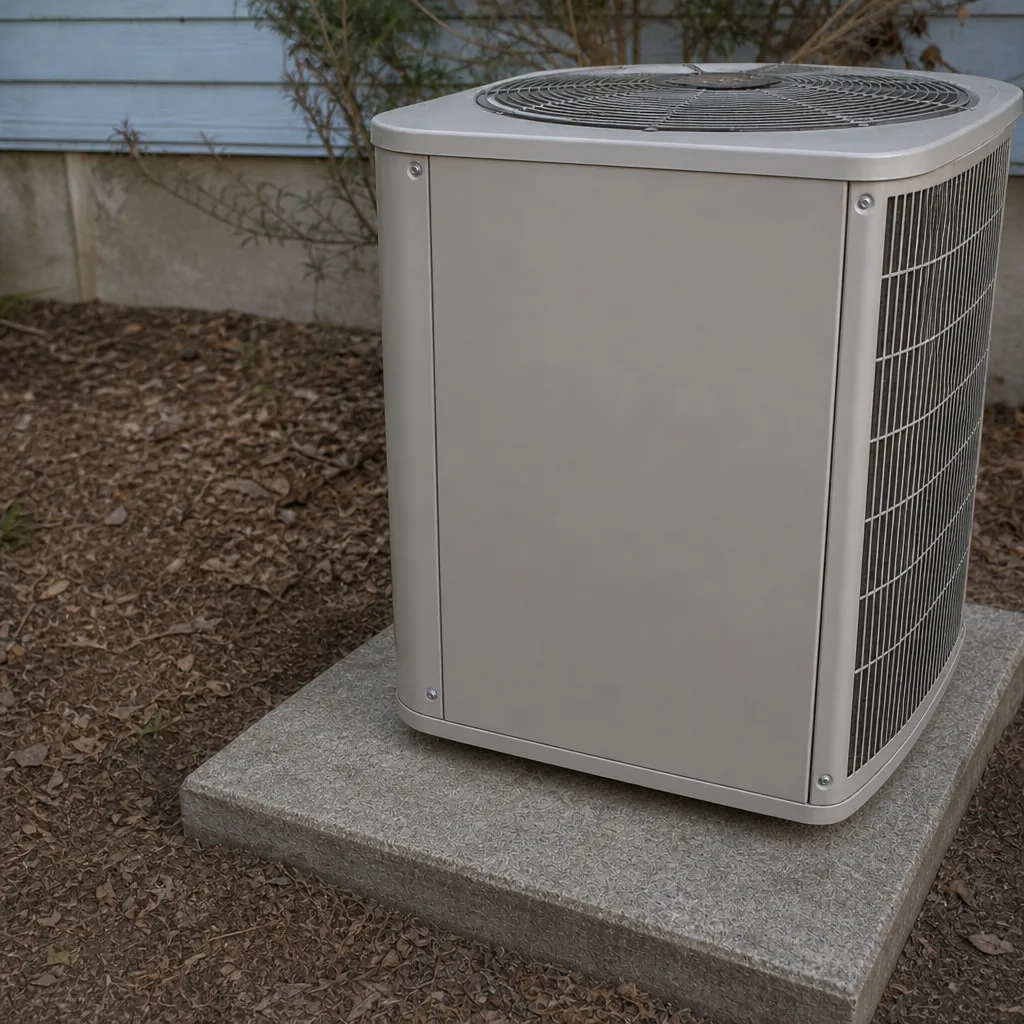
- Outdoor condenser airflow. Clear vegetation, stored items, and debris from around the unit. Restricted airflow on a 100-degree day is a recipe for a high-pressure shutdown.
- Performance drift. Notice if the system runs longer than it did last summer. That’s a signal worth investigating before it becomes a failure.
For hard water specifically, a periodic drain flush helps, but the reliable move is having the drain inspected during your spring prep. Nobody wants to discover a clogged drain during a heat wave.
The brand factor in summer service
Summer repairs are where familiarity with your particular system pays off. We work on Carrier, Trane, Lennox, and American Standard equipment regularly, among the nine major brands we service, and knowing how a given manufacturer builds its coils and control boards means diagnosis is faster and the right part shows up sooner. That’s not a sales point, it’s a practical one when the house is hot and the diagnosis needs to be right the first time.
Protecting the Outdoor Condenser During North Texas Ice Storms
Ice storms are infrequent here but intense when they land, and the outdoor condenser is the most exposed part of your system. The instinct to cover it against ice is reasonable, but the way people cover it often does more harm than the storm. The goal is to keep falling ice and debris out of the top of the unit while letting moisture escape and never trapping airflow or moisture inside a sealed cover.
Here’s the approach we recommend:
- Turn the system off before the storm. Cooling shouldn’t run during freezing weather anyway, and shutting it off removes the risk of asking it to operate in conditions it wasn’t designed for.
- Cover the top, not the whole unit. A rigid sheet or board across the top, weighted down, keeps ice and debris from dropping into the fan opening. Leave the sides open so air and moisture can move.
- Never wrap the unit in a sealed cover. A tight cover traps moisture inside, and trapped moisture during a freeze is worse for the unit than the cold itself.
- Clear ice and debris from the sides after the storm. Falling ice and storm debris often pile up against the coil. Clear it before the system runs again.
- Inspect before restarting. If anything looks bent, cracked, or coated in ice, have it checked rather than starting it up and hoping.
The common mistake is the fully wrapped condenser, the one that looks like it’s protected. It’s the one most likely to come out of an ice storm with trapped moisture, a bent fan blade from an ice load, or a coil packed with debris. Leaving it breathable protects it better.
After a storm, the check you don’t want to skip
Even if the unit looks fine, the first cooling cycle after an ice storm is worth watching. Listen for unusual sounds at startup and confirm the system reaches temperature normally. If it struggles, the storm may have left something behind that needs a technician.
Fall Furnace Prep: Why Heat Exchanger Inspection Leads the List
National fall checklists tend to emphasize a general tune-up. In Arlington, heating prep deserves a different emphasis, and the reason is the demand pattern. Our furnaces sit idle for long stretches, then get asked to run hard in short bursts when a cold front moves through. That infrequent-but-intense cycle is exactly the pattern that exposes a small problem, and the single most important check in fall is the heat exchanger.
A cracked heat exchanger is a genuine safety concern because it can allow combustion gases into the air you breathe, and it’s not something a homeowner can see or test for. That check isn’t a step you can do yourself, and we’d never suggest otherwise. It’s the reason fall heating prep belongs with a trained technician. Alongside the heat exchanger inspection, fall prep includes:
- Ignition and burner checks. Confirm the system lights reliably and burns cleanly.
- Combustion and venting review. Make sure the exhaust path is clear and intact.
- Blower and airflow check. A furnace that heats well but flows poorly leaves rooms uneven.
- Safety controls and limits. Verify the safety switches that protect the system are functioning.
- Filter. Fall is a good reset point, even though Arlington filters need more frequent changes than the annual habit.
If the inspection turns up something, fall is the right time to decide between repair and replacement. For a furnace beyond its useful life, furnace repair is a stopgap, and a planned replacement in the fall is far calmer than an emergency replacement on the coldest night of the year. We’d rather walk a homeowner through the honest math of both than push either answer.
The demand-cycle argument for fall inspection
The reason heat exchanger inspection leads the list in Arlington specifically is that the mild weather hides deterioration. A heating system that gets used lightly for nine months can develop hidden wear and still “work” on a mild day. The first genuinely cold night is when that hidden wear becomes a failure. Inspecting in the fall, before the demand arrives, gives you the chance to address it on your schedule rather than in the cold.
Shoulder-Season Thermostat and Airflow Adjustments
Arlington’s two transition windows create a specific comfort problem: for several weeks each spring and fall, neither heating nor cooling runs full-time, and the standard thermostat settings don’t fit either mode well. Houses swing between cool mornings and warm afternoons, and the system alternates between under- and over-performing. Getting the shoulder-season adjustments right keeps the house comfortable and prevents unnecessary runtime.
What actually works during the transitions:
- Switch off “auto” changeover carefully. In transition weather, auto-changeover can have the heat and AC fighting each other. A simpler setting with a modest deadband avoids that.
- Use fan-only mode strategically. Circulating air without heating or cooling takes the chill off a warm afternoon without starting the compressor.
- Balance airflow across rooms. Adjust supply registers to push more air into rooms that stay warm or cold, rather than setting the thermostat higher or lower to compensate.
- Keep filters fresh through the transition. Reduced runtime doesn’t mean reduced airflow needs, and a clogged filter during the shoulder season makes every room feel off.
- Watch the system for short-cycling. If it’s starting and stopping constantly during a transition, that’s worth a look; the thermostat or the system may need adjustment.
Shoulder seasons are also the ideal time to have a technician review your thermostat programming and airflow, because the house isn’t under peak load and the diagnosis has more room to be thorough.
Why “just set it and forget it” doesn’t work here
Programmable and smart thermostats are built around the four-season model, with heating and cooling schedules that assume predictable seasonal demand. Arlington’s transitions don’t fit that pattern, and a thermostat left on a fixed schedule through a transition can run the system at the wrong times. Revisiting the programming at both transitions, in late February and again in October, keeps it aligned with the actual weather.
Winter Heating Care and the Mild-Weather Trap
Arlington winters are mild, and mild weather creates its own risk: it’s easy to skip heating care entirely because the furnace doesn’t seem to need attention. The trap is that mild weather masks deterioration, and the system gets tested only when a cold front pushes through. That’s the wrong time to discover the furnace was marginal. Winter heating care in Arlington is mostly about confirming the system performs under load and watching for the early signals of a problem.
What to keep an eye on through the heating season:
- Uneven heating. Some rooms warm, others cool, suggests an airflow or duct issue that a technician can trace.
- Unusual smells at startup. A slight dust smell at the start of the season is normal. A persistent or chemical smell is not, and it warrants a professional look, particularly given the heat exchanger concern covered above.
- Short cycling. A furnace that starts and stops frequently isn’t running efficiently and may be tripping a safety limit.
- Filters. Easy to forget once heating starts, still worth checking.
- Thermostat performance. Confirm the thermostat holds temperature and the house feels as it should.
If the furnace is older and you’ve been through a few winters of near-misses, the honest conversation is about whether to repair or replace before next winter. We handle both furnace repair and replacement, and the goal is to give you the real options rather than a default answer.
What the mild weather doesn’t excuse
It’s tempting to treat a mild winter as a reason to skip the fall inspection the following year. But the demand-cycle pattern in Arlington means the wear accumulates quietly, and the inspection is the cheapest insurance against an unexpected mid-winter failure. Mild weather changes how often the furnace runs, not whether it needs inspection.
Common Mistakes to Avoid
- Treating a national checklist as gospel. Generic spring/fall checklists get the direction right but the timing wrong for Arlington. Cooling prep begins in late February through March here, not in April or May when the heat has already arrived.
- Wrapping the outdoor condenser in a sealed cover for an ice storm. A fully wrapped unit traps moisture and restricts airflow, which is worse than the storm. Cover the top only, and leave the sides open.
- Skipping heat exchanger inspection because the furnace “seems fine.” The mild winter hides deterioration, and a cracked heat exchanger is a safety concern no homeowner can see. This is a trained-technician check, not a DIY task.
- Changing filters once a year. Arlington’s long cooling season loads filters far more than the annual habit allows. Monthly changes through peak cooling keep airflow healthy.
- Ignoring the condensate drain until it clogs. Hard water mineral buildup narrows the drain over time. A glance at the pan each month catches the slow problem before it becomes a water issue.
- Leaving the thermostat on a fixed four-season schedule through the transitions. Shoulder-season weather swings between cool mornings and warm afternoons. Revisiting the thermostat programming in late February and again in October keeps it aligned with the actual weather.
- Waiting until the system fails to think about replacement. New equipment is ordered and scheduled, not an overnight fix. Deciding in the calm of March or October is far easier than replacing a system during a heat wave or cold snap.
See the difference
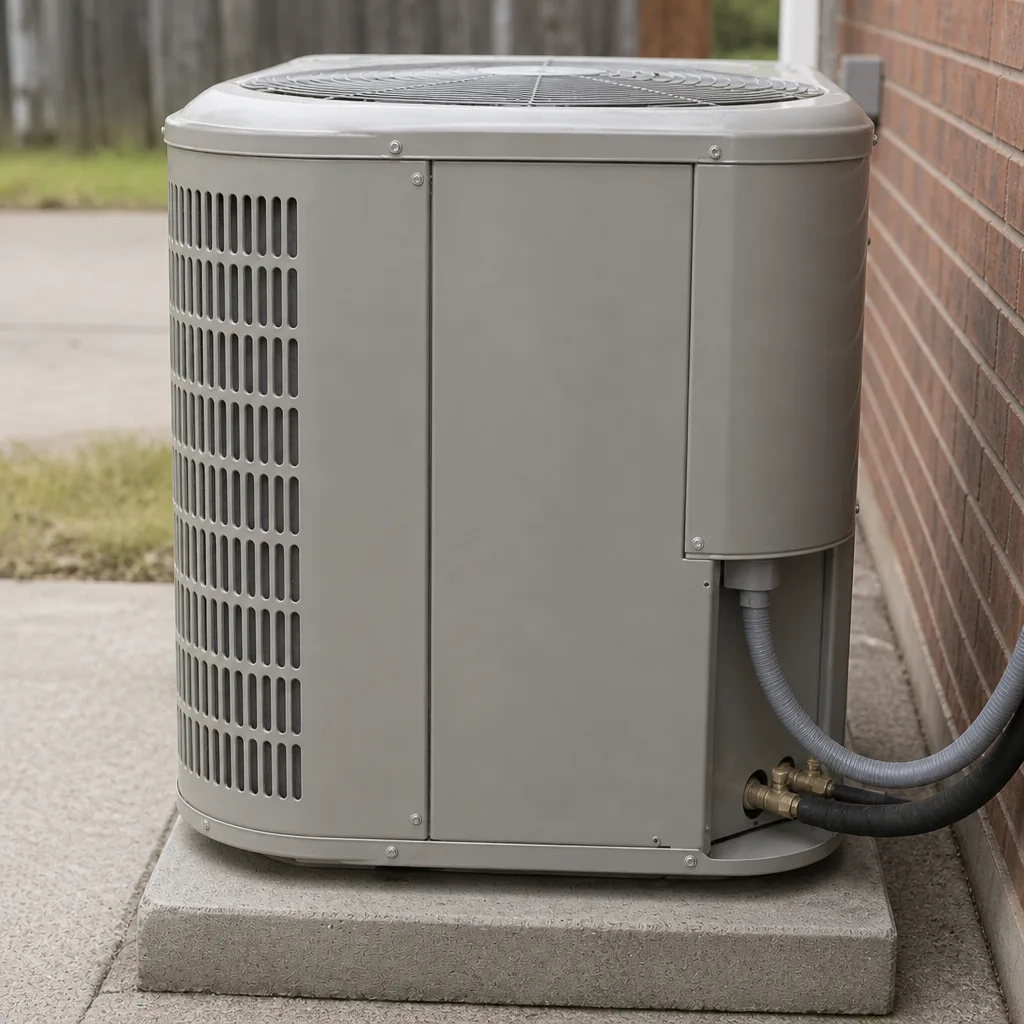
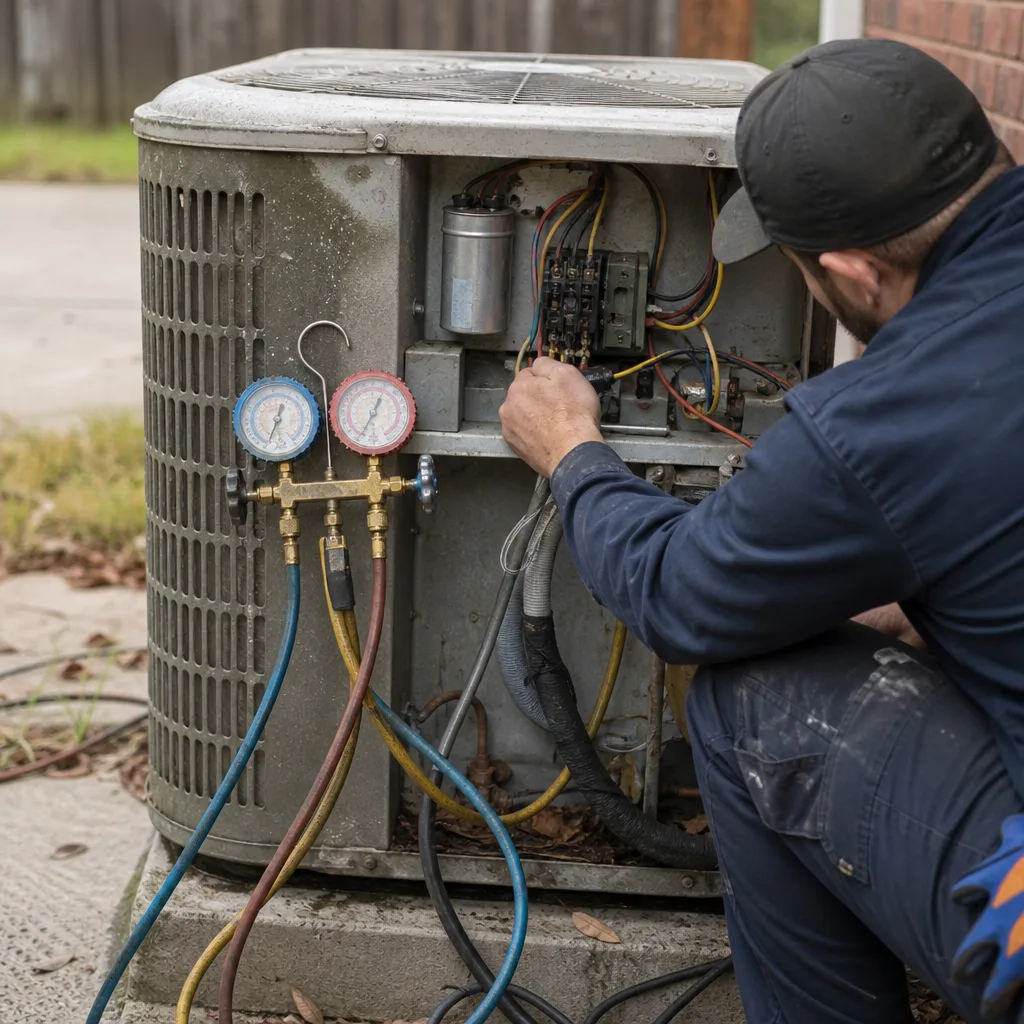 Before
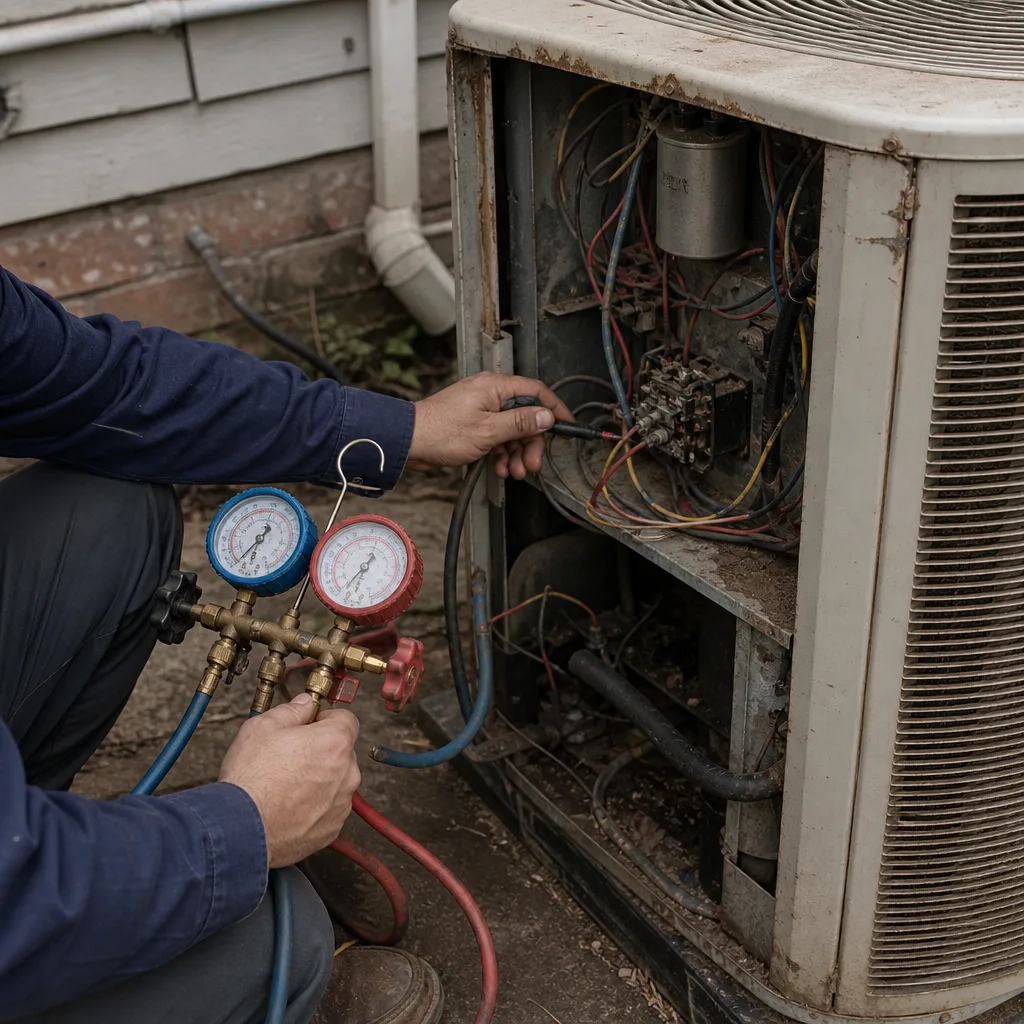
 After
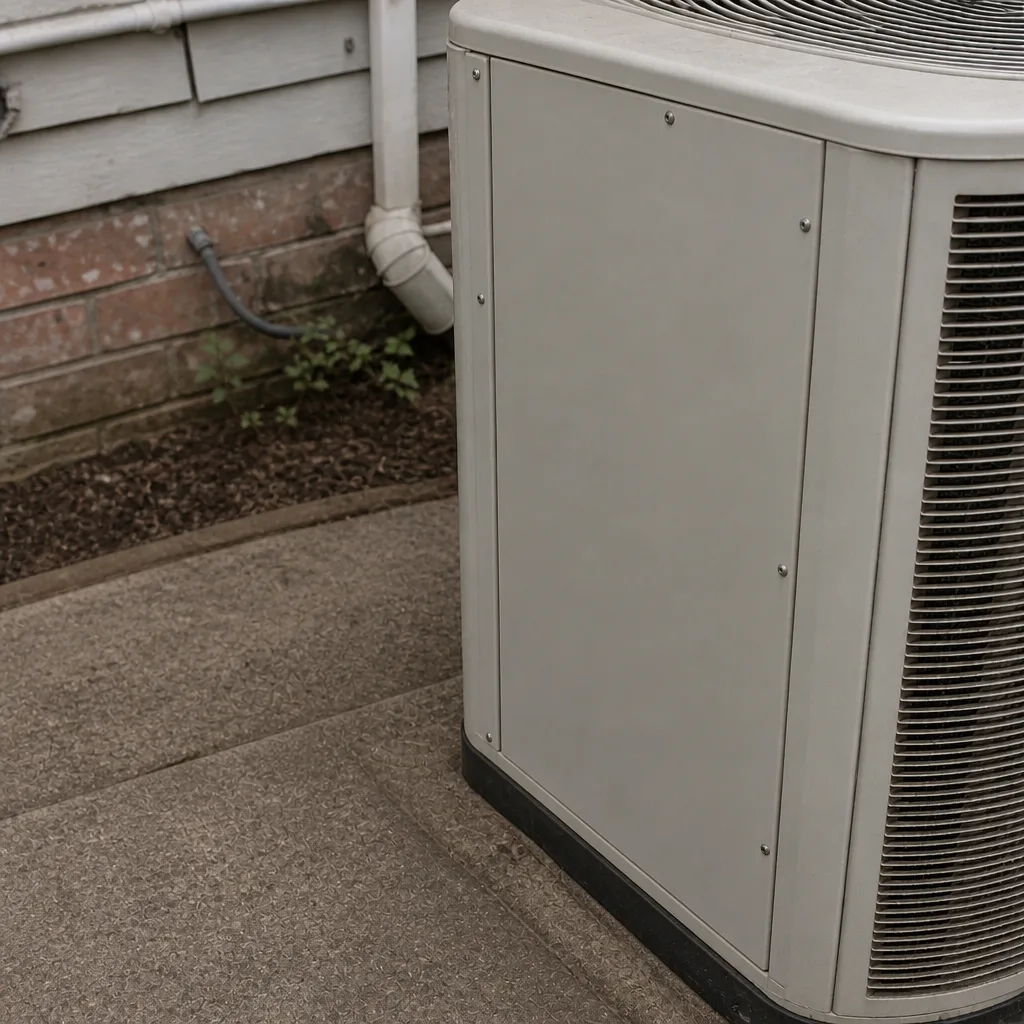
 Before
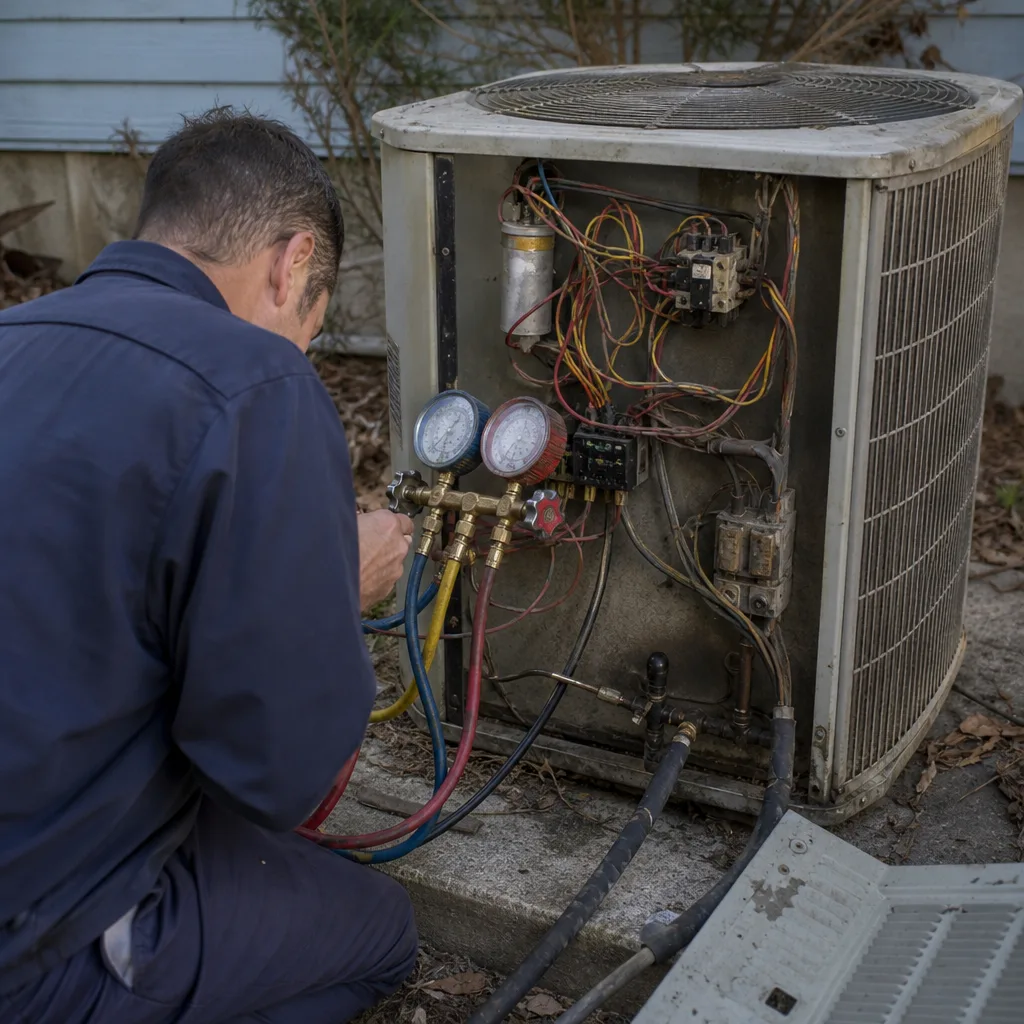
 After
 Before
 After
When to Call a Professional
Some problems are worth a call even if the system is still running. If you smell a persistent burning or chemical odor from the furnace, have it inspected before you run it again, because that can point to a heat exchanger concern. If the cooling system is running but the house never reaches temperature, or it’s taking noticeably longer than last summer, the diagnosis belongs with a trained technician. Uneven heating across the house, short cycling, a drain pan that repeatedly fills, or an outdoor unit that’s tripped its breaker all warrant a professional look. The heat exchanger and refrigerant checks are not homeowner tasks, and we’d strongly advise against attempting them.
Denali AC Repair offers free estimates in Arlington. Call (888) 604-8863. We answer 24/7. Fast dispatch from 7am to 7pm, Sunday through Friday. If you’d like to understand how we approach Denali AC Repair service or see what a scheduled visit involves, we’ll gladly walk you through it. For honest repair-or-replace guidance, our team is ready.
Frequently Asked Questions
Schedule cooling prep in late February through March, before the first sustained heat. Arlington’s window between the last cold morning and the first 95-degree day can run as short as five weeks, so booking early in the year is far better than waiting until the first hot week to call. Call (888) 604-8863 to book a free estimate.
Change the filter monthly through peak cooling (roughly May through September), and check it through the transitions and heating season. Arlington’s long cooling season loads filters far more than an annual change allows, and a clogged filter is the most common cause of cooling complaints. A fresh filter keeps airflow healthy and takes pressure off the whole system.
Cover the top of the unit only, and leave the sides open. A rigid sheet or board across the top keeps falling ice and debris out of the fan opening, while a fully wrapped cover traps moisture inside, which is worse for the unit. Turn the system off before the storm and clear any ice or debris from the sides afterward.
You can’t reliably tell without a professional inspection, which is why heat exchanger inspection leads fall heating prep in Arlington. A persistent or chemical smell at startup, uneven heating, or short cycling are reasons to have it checked. Because a cracked heat exchanger can allow combustion gases into your air, this is a trained-technician job, not a DIY check. Call (888) 604-8863 to book an inspection.
It depends on the age, efficiency, and the specific failure. In Arlington’s long cooling season, an older AC that’s running longer each summer is a candidate for an honest repair-or-replace conversation. We handle both furnace repair and new AC installation, and we’ll walk you through the real options rather than pushing a default answer.
Use a modest deadband and a simple setting rather than aggressive auto-changeover, because the house swings between cool mornings and warm afternoons. Fan-only mode can take the chill off a warm afternoon without starting the compressor. Revisit the thermostat programming in late February and again in October to match the actual weather rather than a fixed four-season schedule.
The Bottom Line
Arlington’s HVAC care doesn’t fit a four-season checklist. It follows two demand peaks and two narrow transition windows, and the work that matters is preparing for each season before it arrives: cooling prep in late February through March, heating prep in October through early November. The high-value tasks are coil and drain cleaning in summer, heat exchanger inspection in fall, top-only condenser protection during ice storms, and thermostat and airflow adjustments during the shoulder seasons. Get the timing right and the rest falls into place. Our technicians have up to 10 years of experience across the major brands we service, including Carrier, Trane, and Lennox, and we’re glad to help you plan around Arlington’s climate rhythm.
Ready to get ahead of the next season? Call (888) 604-8863 for a free estimate. We answer 24/7. Fast dispatch from 7am to 7pm, Sunday through Friday.
Written by the team at Denali AC Repair.