
Last updated November 15, 2026
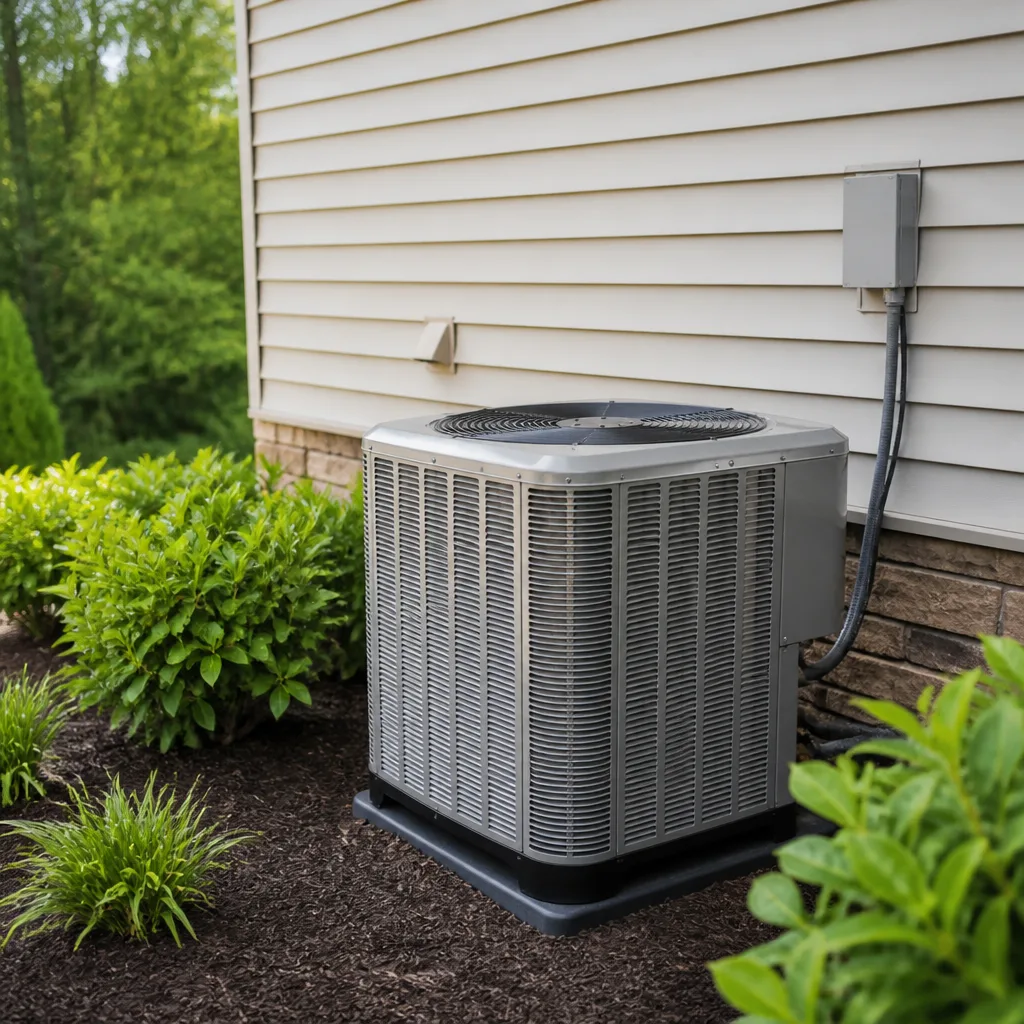 AC repair
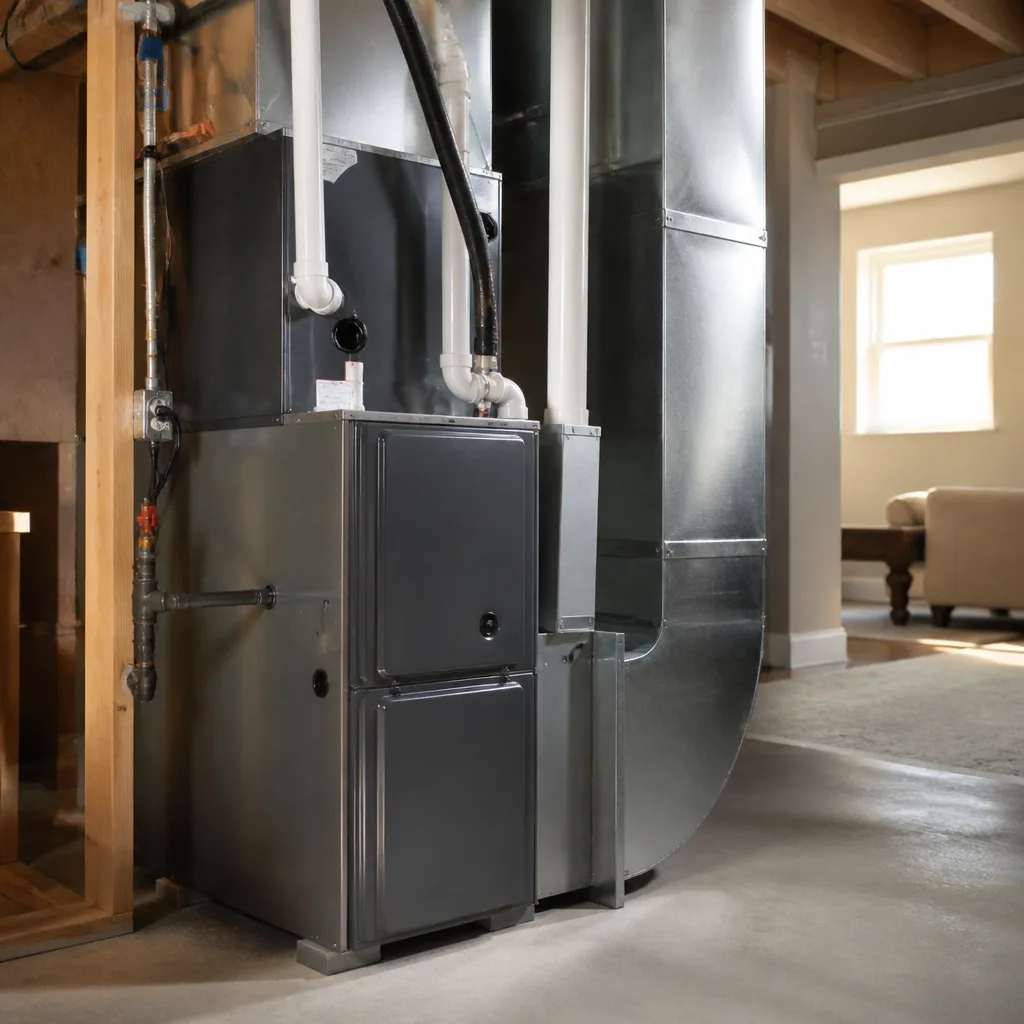 Furnace & heating
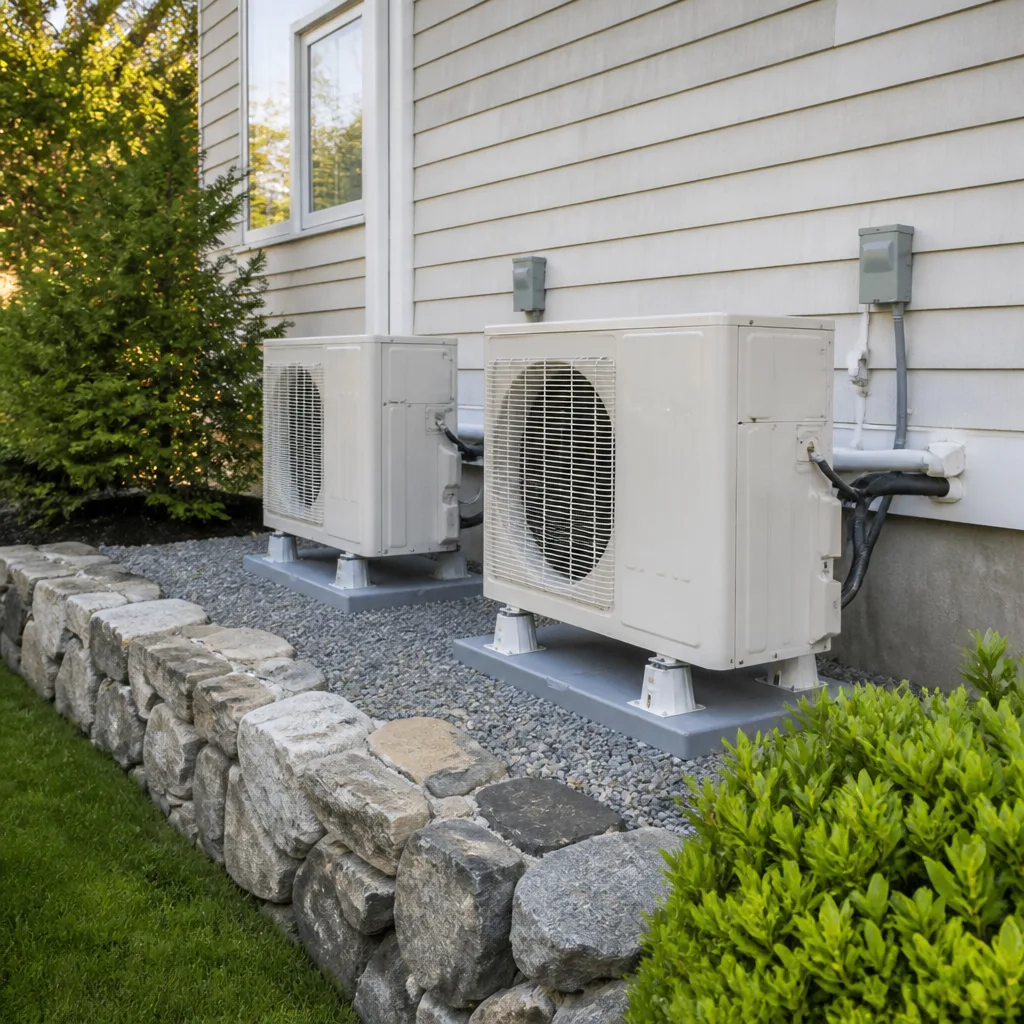 Heat pumps
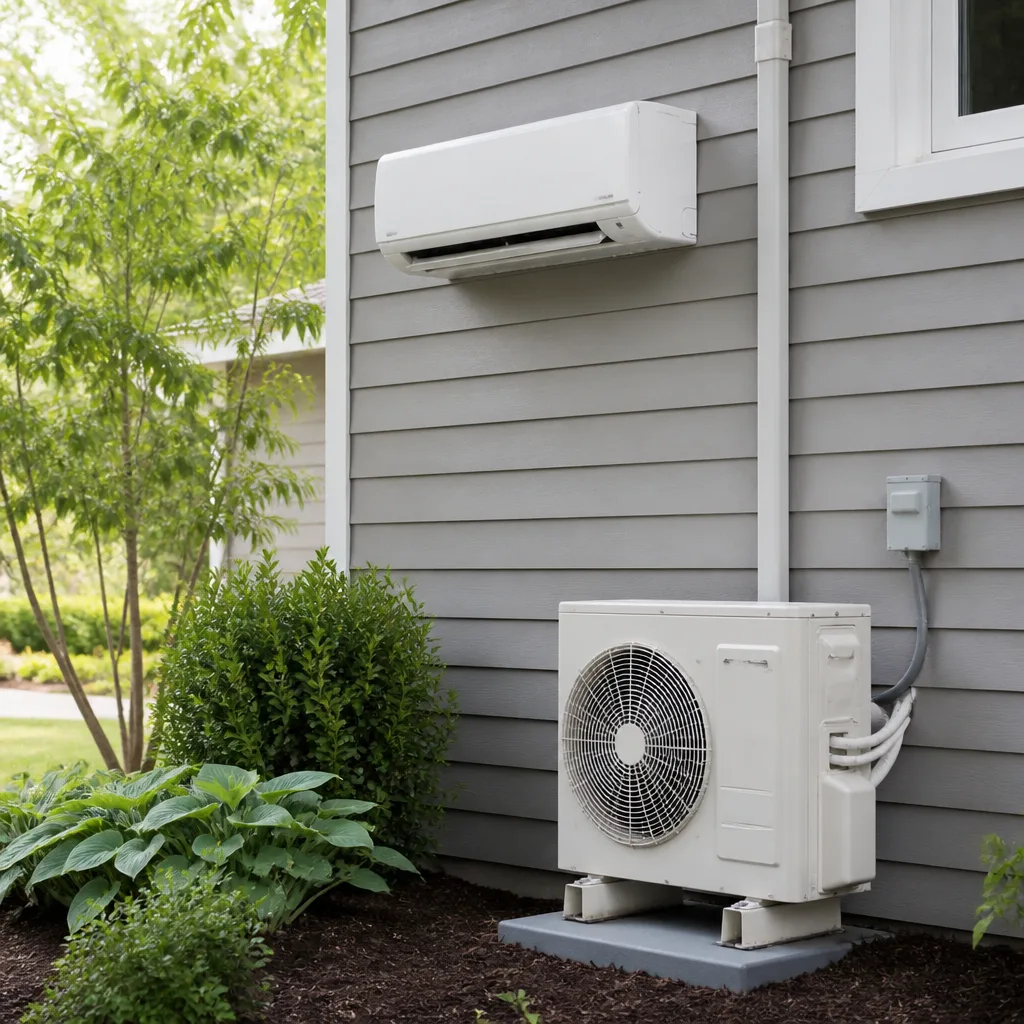 Ductless mini splits
 Carrier
 Trane
 Goodman
Seasonal tune-up and full diagnostic on your Carrier, Trane, or Goodman system - readings shown to you before any repair is proposed
Diagnosis first, numbers second - you approve the repair price before a single part goes in.
Get your free estimateHVAC Permits, Codes & Inspections in Arlington, TX: What You Need to Know
Most Arlington homeowners assume a permit is just paperwork the contractor handles in the background – a detail with no bearing on their lives once the new condenser is humming on the pad. Here’s the counterintuitive part: the permit matters less at installation than it does at resale. Unpermitted HVAC work becomes a property record problem, and record problems travel with the house, not with the contractor who did the work. A home inspector in Tarrant County who spots a replaced system with no closed permit is obligated to flag it, and a lender can refuse to fund a closing until it’s resolved. This guide walks through exactly which HVAC jobs in Arlington require a permit, what the energy code means for equipment selection, how the inspection timeline actually runs, how to retroactively permit older work, and what to ask a contractor for so you own clean documentation.
Quick Answer
In Arlington, TX, replacing or installing an HVAC system, adding new ductwork, and altering electrical or gas connections to equipment generally requires a permit through City of Arlington Development Services. Simple repairs – swapping a capacitor, a blower motor, or a thermostat – are typically exempt. Permitted work must meet the current Tarrant County adopted energy code for equipment efficiency and, where applicable, duct leakage testing, and it closes with a municipal inspection sign-off.
Styles & brands we work with
- AC repair
- Furnace & heating
- Heat pumps
- Ductless mini splits
- Carrier
- Trane
- Goodman
Table of Contents
- Which HVAC jobs require a permit in Arlington?
- What the Tarrant County energy code means for your equipment
- What the inspection process actually looks like
- How to permit previously unpermitted HVAC work
- Why unpermitted HVAC work hurts you at closing
- What proof to collect from your contractor
- Common mistakes to avoid
- When to call a professional
Which HVAC jobs require a permit in Arlington?
A permit is required in Arlington for any HVAC work that changes the system itself: a full system replacement, a new installation, a furnace swap, the addition or major modification of duct runs, and any alteration to the electrical circuit or gas line feeding the equipment. The reasons are practical rather than bureaucratic. A new condenser pulls a specific amperage, a furnace reconnects to a gas supply, and ducts running through unconditioned attic space affect how hard the system has to work. Each of those variables ties back to the energy code and to safety, so the city wants a licensed trade signing off and an inspector confirming the work matches the plan.
Equally important is what doesn’t require a permit. Routine repair work – replacing a failed contactor, a blower motor, a run capacitor, a thermostat, a flame sensor, or a condensate pump – is handled as maintenance and typically needs no permit. If you’re unsure which side of that line a job falls on, the fastest and most reliable answer comes straight from City of Arlington Development Services. Their permit desk can confirm whether the specific scope of your project requires one, and a good contractor will already know the answer before the question comes up.
One nuance Arlington homeowners ask about constantly: a repair that grows into a replacement. A technician opens a 12-year-old unit to change a motor, finds a cracked heat exchanger or a failed compressor, and recommends replacement. The moment the job crosses from replacing a component to swapping the whole system, the permit requirement kicks in. That transition should be stated plainly, in writing, before any work begins.
- Permit required: full system replacement, new AC installation, furnace replacement, new or substantially modified ductwork, electrical or gas connections to equipment.
- Typically exempt: component-level repairs (motors, capacitors, contactors, thermostats, sensors), filter changes, refrigerant charge top-off as a diagnostic or repair step.
- Ask before you assume: any repair that escalates to a full swap is a permitting event, not an upgrade to the repair ticket.
In our experience, the confusion on this point causes more trouble than the permit itself. Two homeowners on the same street can end up with very different paperwork trails simply because one of them asked.
What the Tarrant County energy code means for your equipment
Arlington’s contractors and inspectors work under an energy code adopted at the county level, and the current version governs the minimum efficiency of any new equipment installed today. That’s the part homeowners don’t often hear: you can’t simply install the same model that came out of the house. Equipment sold today has to meet the efficiency thresholds the adopted code specifies at the time of permitting, which means a system built in 2010 isn’t necessarily repeatable in 2026 even if it still exists on a shelf somewhere.
Those minimums are expressed as SEER2 for cooling equipment and AFUE for furnaces, and the specific numbers shift between code cycles and even across regions. Rather than quote a figure that could change, we tell Arlington homeowners to have the contractor confirm the exact minimums with the city at permitting time. That’s the number that matters, and it’s the number printed on the permit application.
The other half of the code that catches people is ductwork. Under the energy code Arlington operates under, ducts in unconditioned space – which is most of the attic ductwork in this part of Tarrant County – have to meet leakage limits and often require verification by a duct leakage test at roughly 25 pascals of pressure. A contractor who plans for that test from the start installs the ductwork correctly, seals the joints properly, and passes the first time. A contractor who doesn’t can end up reworking boots and collars after the system is already running.
- Equipment efficiency: new units must meet the minimums in the currently adopted energy code, verified at permitting.
- Duct leakage: ducts in unconditioned attic space are typically tested and must stay within the code’s leakage limits.
- Practical effect: a replacement quote that skips duct sealing and testing is a quote that assumes the test will pass – a risky assumption in an older Arlington attic.
This is where brand familiarity pays off. Whether a system is Carrier, Trane, American Standard, Bryant, or another major label, the code’s efficiency minimums apply the same way, and the model families change every few years. Knowing what’s currently available in each brand and which model lines clear the threshold is part of the job.
What the inspection process actually looks like
Arlington HVAC permits generally run through two inspection stages – a rough-in inspection before the equipment and ductwork are finalized, and a final inspection once everything is installed and operating. On a straight system replacement, the rough-in is sometimes waived or combined, so the whole process can resolve in a single final visit. On jobs with new ductwork or significant modifications, expect both. The inspector is a city employee, not the contractor – that distinction matters, because the sign-off you eventually receive is the only official record the work was done to code.
Here’s what an Arlington inspector typically checks when they arrive:
- Permit and job card. The permit is verified as open and matched to the address and scope.
- Equipment nameplate. The model and serial numbers are checked against the permit application, with efficiency verified against the code minimum.
- Electrical connections. The disconnect, breaker, wire gauge, and grounding are verified to the equipment’s requirements.
- Gas connections. For furnace work, the gas line sizing, shutoff, and combustion venting are checked.
- Ductwork. Duct runs in the attic are visually inspected for sealing, insulation, and support; where required, a leakage test result is reviewed.
- Clearance and venting. The outdoor unit’s clearance from the home and from surrounding obstructions is confirmed, along with proper venting of condensate and combustion gases.
- Operation test. The system is started and confirmed to run through a full cycle.
The timeline depends heavily on the city’s inspection queue and how prepared the installer is. A clean, standard replacement might go from permit to final sign-off in something like one to three weeks. A job with new ductwork, corrections, or a failed test can stretch longer, since a re-inspection is needed after any correction. The permit doesn’t close until the final inspection passes – and that’s the piece that ends up in your property record.
When we coordinate an AC installation, we walk through this inspection sequence with the homeowner in advance so there are no surprises about who shows up or when the system is signed off. Coordination is part of the service, not a separate favor.
How to permit previously unpermitted HVAC work
If you’re selling an Arlington home and a prior system replacement was never permitted, you’re not stuck. Cities generally allow previously unpermitted work to be permitted retroactively, and the process resembles a new permit except the review is heavier because the work already exists. That means an inspector evaluating what’s already in place rather than approving a plan. The outcome falls into one of three buckets: the work passes, the work needs some correction to meet code, or a portion of the work has to be brought into compliance before the final sign-off.
The typical sequence looks like this:
- Identify what was done and when. Gather what documentation exists – the invoice, the equipment nameplate, any photos from the original install.
- Contact City of Arlington Development Services. Explain that you have an existing, unpermitted HVAC installation and ask what their retroactive permitting process requires for your address.
- File the permit with the correct scope. The application describes the work as it stands, not as it was originally planned.
- Schedule an inspection. An inspector evaluates the installation on its merits: electrical, gas, ductwork, equipment efficiency, clearances, and operation.
- Address any corrections. If something fails – a breaker undersized for the equipment, an unsealed duct joint, an efficiency shortfall – it gets corrected and re-inspected.
- Retrieve the final sign-off. Save the closed permit documentation for the next owner.
On cost, expect the permit fee itself to be modest and the more significant cost to be whatever correction the inspection triggers. A job that only needs the permit and a clean inspection can be relatively small. A job that requires reworking ductwork or replacing a unit that never met the current efficiency minimums can cost considerably more, and that’s exactly the risk an unpermitted install leaves behind. Get a written scope before the inspection so you know what you’re committing to.
Retroactive permitting is one of the situations we’re asked about most often from Arlington homeowners preparing a home for sale. The right approach depends on the property and the existing system, so we assess it that way rather than assuming the worst.
Why unpermitted HVAC work hurts you at closing
The responsibility for unpermitted work follows the property, not the contractor who installed it. If a previous owner swapped a system without a permit, and you bought the home without catching it, that liability now sits on you when you sell. This is the quiet cost of skipping the paperwork. During a real estate transaction, home inspectors are increasingly looking at the HVAC equipment nameplate, comparing model dates against the home’s history, and asking for permit records. Lenders in Tarrant County may require evidence of permitted work before funding a sale, and a closing that was two weeks away can quietly become a closing that’s two weeks late while a retroactive permit works through the process.
The remedy is straightforward for anyone buying or selling in Arlington: before closing, request the permit records for any HVAC work done during the ownership period. The records should show the permit number, the final inspection date, and the inspector’s sign-off. If they’re missing, you have a decision to make – resolve the permitting retroactively before listing, negotiate a credit for the buyer, or accept a delayed closing. The cheapest and calmest option is to handle it years earlier than closing day.
- Home inspectors flag it: newer equipment with no permit trail is a common finding in Arlington resale inspections.
- Lenders can require it: unpermitted mechanical work can hold up financing.
- Liability follows the house: the next owner inherits the problem unless the permit is closed before the sale.
- The fix is doable: retroactive permitting resolves the record before it becomes a negotiation point.
Whether you’re personally planning to sell or planning to replace a furnace repair situation with a full system install, treat the permit as part of the project scope, not an afterthought. It’s the single cheapest protection you’ll ever buy on a mechanical system.
What proof to collect from your contractor
You don’t need to understand every line of the paperwork an HVAC contractor hands you, but you do need to keep it. The key documents form a small, specific set, and collecting them takes two minutes. Ask for them at the end of the job, not at closing time.
- Permit number for the work performed. This lets you or a future buyer verify the permit status with City of Arlington Development Services later.
- Final inspection sign-off. The document or screenshot showing the inspection passed – this is the actual proof of permit closure.
- Equipment documentation. Model and serial numbers, the manufacturer’s spec sheet, and the warranty registration confirmation.
- Written scope of work. What was installed, what was modified, what was tested, and what was left in place.
- Duct leakage test results, where applicable, with the number recorded – not just “passed.”
- Gas and electrical connection details for furnace replacements, so a future technician has the reference.
Keep these with your home records, not in an email folder you’ll forget about in two years. The single most useful document is the closed permit, and if you can lay your hands on it, you’ve eliminated one of the most common reasons an Arlington home sale stalls.
Common Mistakes to Avoid
- Assuming the contractor pulled the permit. Verbal assurances are not permits. Ask for the permit number in writing before work begins, and confirm it on the city’s record if needed.
- Treating a component repair as a system replacement (or the reverse). A blown capacitor needs no permit; a full condenser swap does. Don’t let a repair escalate to a replacement without pausing on the permitting question.
- Buying equipment before confirming code compliance. That bargain condenser on the secondary market may not meet the Tarrant County energy code minimum, and no inspector will close it out.
- Ignoring duct leakage in an older attic. Ductwork that was acceptable when the house was built can fail a leakage test today. Plan for sealing and testing so the inspection passes the first time.
- Selling an Arlington home without pulling the permit trail. The check takes minutes. The delay it prevents can cost weeks on a closing.
- Leaving the documentation scattered. A permit number in a text message thread that’s a year old isn’t documentation. Keep a folder.
- Hiring a contractor who dismisses permits as optional. A professional in this trade treats the permit as part of the job. A contractor who offers to skip it is telling you something about how the rest of the job will go.
See the difference
 Before
 After
 Before
 After
 Before
 After
When to Call a Professional
Some permitting questions can be answered by the city. The complex ones need a technician who knows the local code and inspection process. Call a professional when a repair is escalating toward a full replacement, when you’re buying or selling an Arlington home and want the HVAC history checked before closing, when you’ve discovered an unpermitted installation and need a realistic assessment before the permit application goes in, or when a replacement quote doesn’t state whether it includes a permit. Our technicians have up to 10 years of experience in this trade and are factory-familiar with the major brands – Carrier, Trane, American Standard, Lennox, Bryant, and others – so the equipment question and the code question get solved together. Denali AC Repair offers free estimates in Arlington – call (888) 604-8863. We answer 24/7. Fast dispatch from 7am to 7pm, Sunday through Friday.
Frequently Asked Questions
Yes. A full condenser replacement in Arlington requires a permit through City of Arlington Development Services, and the new equipment must meet the current Tarrant County energy code minimums. A simple component repair, like a failed motor or capacitor, generally does not need a permit. Call (888) 604-8863 for an exact quote – estimates are free.
The buyer’s home inspector can flag the unpermitted equipment, and a lender may require permitted documentation before funding the sale. The work can usually be permitted retroactively, but it must be resolved before closing, and any code corrections the inspection triggers come out of the seller’s pocket. It’s worth resolving years earlier than at closing.
A clean system replacement often closes in roughly one to three weeks, depending on the city’s inspection queue. Jobs with new ductwork or corrections take longer because a re-inspection is required after any failed item. The permit isn’t closed until the final inspection passes. Call (888) 604-8863 – we’ll walk through the timeline for your specific job.
Yes. A furnace replacement is a permitted mechanical job because it involves gas and electrical connections and code-relevant sizing. Component-level furnace repairs – igniters, flame sensors, blower motors, thermostats – typically do not require a permit. Our technicians are familiar with the major furnace brands, so the equipment and the permit are handled in one visit. Call (888) 604-8863 for a free estimate.
Duct leakage testing measures how much conditioned air escapes from the duct system, typically at roughly 25 pascals of pressure. Under the Tarrant County energy code, ductwork in unconditioned space like an Arlington attic is often tested and must meet the leakage limits. Whether your job requires a test depends on your ducts, and it’s worth confirming with the contractor before installation begins.
The three documents that matter are the permit number, the final inspection sign-off, and the equipment model and serial numbers on the spec sheet. Together they prove the work was permitted and inspected to code, and they’re what a future buyer’s home inspector will ask to see. Store them with your home records and treat the permit number as part of the sale file.
The Bottom Line
In Arlington, the HVAC permit is one of the few parts of a system replacement that outlives the equipment. A condenser will wear out. The paper trail stays on the property record and travels with the house. Replacements, new installations, and significant ductwork modifications require a permit through City of Arlington Development Services; component repairs usually don’t. The work has to meet the currently adopted Tarrant County energy code for efficiency and duct leakage, and the permit only closes when a municipal inspector signs off. If you own an Arlington home with an unpermitted system, retroactive permitting is doable, and doing it before a sale beats doing it during one. Keep the paperwork. When you’re ready to move on a repair, a furnace repair that becomes a replacement, or a full system install, the questions above will help you ask the right ones. For heating and cooling work in the DFW area, see our Arlington page, or start with Denali AC Repair and request a free estimate below.
Ready to move forward? Call Denali AC Repair at (888) 604-8863 for a free estimate. We answer 24/7. Fast dispatch from 7am to 7pm, Sunday through Friday.
Written by the team at Denali AC Repair.